
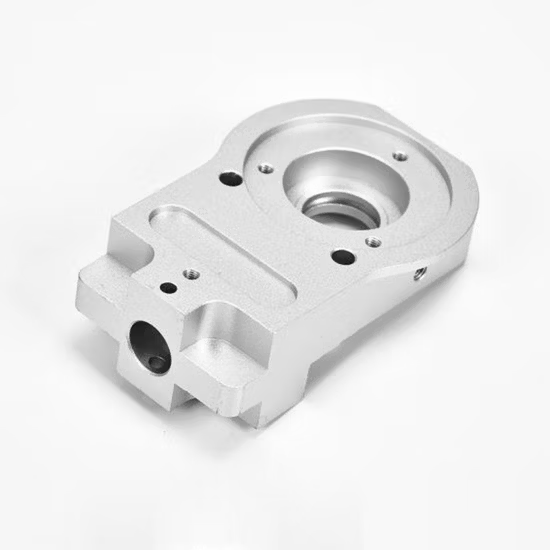
Optimizing Medical Device Metal Components with Design for Manufacturability (DFM): 2026 Insights
The journey from a groundbreaking medical device concept to a tangible, life-improving product is fraught with complexities, especially when it involves precision metal components. Engineers often grapple with the challenge of designing parts that not only perform their critical function flawlessly but can also be manufactured efficiently, reliably, and cost-effectively. This intricate balance is precisely where Design for Manufacturability (DFM) becomes indispensable, offering a systematic approach to streamline production and enhance product quality. For DFM medical device metal components, this approach is not merely a best practice; it is a regulatory and economic imperative that significantly impacts a device's success in the market.
Understanding DFM is crucial, not just for engineers but for anyone involved in the medical device lifecycle. It represents a paradigm shift from a sequential design-then-manufacture process to an integrated approach where manufacturing considerations are woven into the very fabric of design from the outset. This article will provide comprehensive guidance on applying DFM principles specifically to metal components used in medical devices, drawing on current insights as of 2026-11-24.
What is DFM and Why It's Critical for Medical Devices
At its core, Design for Manufacturability (DFM) is an engineering philosophy that aims to optimize product designs for ease of manufacturing. This means considering material selection, fabrication processes, assembly methods, and quality control during the initial design phases, rather than as afterthoughts. The primary goal is to reduce overall product development time, lower manufacturing costs, improve product quality, and accelerate time to market.
For medical devices, the stakes are significantly higher. Most of a medical device's unit cost and regulatory risk are committed during its design phase. Waiting to address manufacturability issues until production begins can lead to expensive and time-consuming changes, especially if they arise post-regulatory clearance. This makes early DFM implementation not just beneficial, but crucial to avoid costly delays and rework.
Medical device DFM expands beyond general industry DFM by incorporating specific regulatory and quality dimensions. These include careful consideration of the device's class and pathway, ensuring sterilization compatibility, and rigorous adherence to material biocompatibility standards like ISO 10993. Furthermore, DFM for medical devices inherently integrates robust inspection and validation plans, ensuring that every design choice can be verified and maintained throughout the product's lifecycle. A deep understanding of these principles is a hallmark of comprehensive engineering services, often found at manufacturing partners like www.bingzhen-sh.com.
Key DFM Considerations for Metal Medical Components
Applying DFM to medical device metal components requires a deep understanding of both material science and advanced manufacturing processes. Metal components in medical devices often demand extreme precision, high strength-to-weight ratios, and excellent resistance to corrosion and wear, all while being biocompatible.
Material Selection and Properties
The choice of metal alloy is one of the most fundamental DFM considerations. Each alloy possesses a unique set of properties that directly influence its manufacturability, performance, and cost. For instance, medical-grade stainless steels (e.g., 304L, 316L) offer excellent corrosion resistance and strength, making them suitable for instruments and implants. Titanium alloys (e.g., Ti-6Al-4V ELI) are prized for their biocompatibility, high strength, and low density, essential for many implantable devices. Nitinol, a nickel-titanium alloy, exhibits shape memory and superelasticity, vital for guidewires and stents.
When selecting a material, DFM dictates evaluating not just its final performance characteristics but also how easily it can be machined, formed, or joined. Some alloys are inherently harder to machine, requiring specialized tooling or slower processing speeds, which impacts cost and lead time. Biocompatibility, as mandated by standards like ISO 10993, must also be a primary driver, ensuring the material will not cause adverse reactions in the human body. Understanding the nuances of materials such as Alloy Steel and their specific grades is therefore paramount in the DFM process.
Precision Machining and Feature Optimization
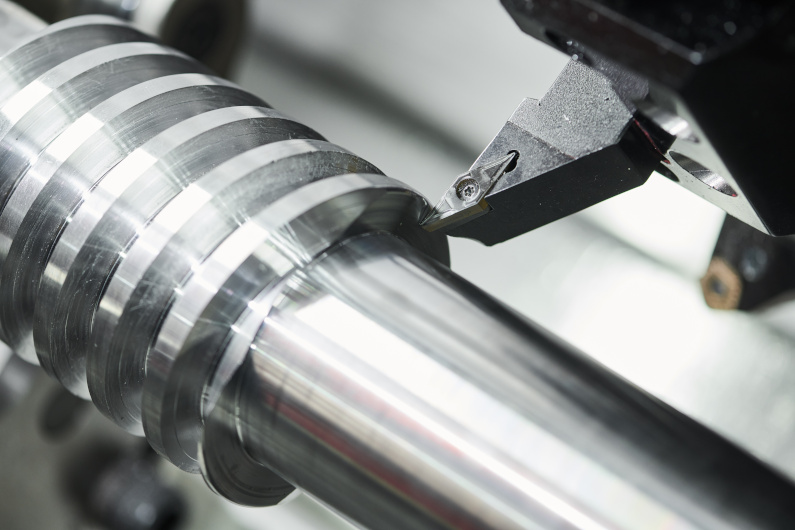
Medical device metal components frequently feature complex geometries, tight tolerances, and intricate details like tips and bevels. Optimizing these features for precision machining is a critical aspect of DFM. This involves:
- Minimizing complex geometries: While specific functions may necessitate complexity, simplifying part geometry where possible can significantly reduce machining time and cost.
- Designing for standard tooling: Wherever feasible, designs should accommodate standard cutting tools, drills, and end mills, reducing the need for custom tooling which adds cost and lead time.
- Considering tool access: Ensure that all features can be easily accessed by machining tools, avoiding deep, narrow pockets or blind holes that require specialized, extended tools or multiple setups.
- Optimizing corner radii: Sharp internal corners can lead to stress concentrations and are difficult to machine. Specifying generous radii where functional requirements allow improves both manufacturability and part durability.
- Managing tolerances: Not all features require ultra-tight tolerances. Judiciously loosening non-critical tolerances can significantly reduce machining time and cost without compromising function. Engineers should identify critical dimensions and apply tight tolerances only where absolutely necessary.
Joining and Assembly Methods
Many medical devices comprise multiple metal components joined together. DFM ensures that these joining methods are robust, repeatable, and cost-effective. Common methods include:
- Welding: Laser welding and Tungsten Inert Gas (TIG) welding are frequently used for their precision and ability to create strong, clean joints, critical for devices exposed to sterilization or internal body environments. Designing components with appropriate joint geometries (e.g., lap joints, butt joints) facilitates these processes.
- Brazing/Soldering: These methods are suitable for specific applications, particularly where lower temperatures or dissimilar metals are involved.
- Mechanical Fasteners: Screws, rivets, or snap-fits can be used, but DFM emphasizes minimizing part count and designing for ease of assembly to reduce labor costs and potential for error.
Boosting Efficiency and Reducing Costs Through DFM
The most profound impact of DFM on DFM medical device metal components is its ability to reduce overall product cost and improve manufacturing efficiency. By integrating manufacturing considerations early in the design cycle, companies can avoid a cascade of expensive problems down the line.
The fundamental principle is that most unit cost is committed during the design phase. Addressing manufacturability issues at this stage is the last inexpensive moment to make changes. Design adjustments in the prototyping phase are significantly more costly, and modifications required after regulatory clearance can be astronomically expensive, leading to market delays, re-submissions, and potentially jeopardizing product launch.
DFM drives cost reduction by:
- Reducing Material Waste: Optimizing part geometry and nested designs for stamping or machining minimizes scrap material.
- Streamlining Processes: Designing parts that require fewer manufacturing steps, or that can be processed on standard equipment, reduces setup times and cycle times.
- Minimizing Rework and Rejection Rates: Proactive identification and mitigation of manufacturing challenges during design reduces defects and failures, saving on inspection, rework, and scrap costs.
- Optimizing Tooling and Fixturing: Designing with manufacturing tooling in mind can lead to simpler, more durable tooling, reducing maintenance and replacement costs.
- Accelerating Time to Market: Efficient design and manufacturing processes mean devices can reach patients faster, translating into quicker revenue generation and competitive advantage.
DFM's Role in Medical Device Regulatory Compliance and Quality
For medical devices, DFM is inextricably linked to regulatory compliance and the overarching commitment to quality. Regulatory bodies like the FDA in the US and the CE Mark in Europe demand not only that devices are safe and effective but also that they are manufactured under controlled conditions, with consistent quality. DFM provides a framework to achieve this by:
- Ensuring Traceability and Repeatability: Designs that are optimized for manufacturing naturally lead to repeatable processes. This consistency is vital for maintaining product quality and meeting regulatory requirements for process validation.
- Facilitating Sterilization: DFM considers how a device's metal components will withstand sterilization methods (e.g., autoclaving, ETO, gamma irradiation) from the outset. Design features that prevent microbial ingress, resist degradation from sterilization cycles, or simplify cleaning for reusable instruments are incorporated early.
- Supporting Validation Efforts: When a design is inherently manufacturable, it simplifies the process of validating equipment, processes, and ultimately, the finished product. This includes developing robust inspection and validation plans during the design phase.
- Mitigating Risk: By anticipating potential manufacturing challenges and addressing them in design, DFM helps reduce the risk of critical defects, which could lead to product recalls, adverse events, and regulatory penalties. This holistic approach to quality is a fundamental requirement for devices, as highlighted by pages like our Medical solutions.
Leveraging Expertise and Tools for Effective Metal DFM
Effective DFM for metal medical components is rarely a solitary endeavor. It requires close collaboration between design engineers and manufacturing partners, often Contract Development and Manufacturing Organizations (CDMOs), from the initial concept phase right through to full-scale production. Manufacturing partners bring invaluable insights into:
- Process Capabilities: They understand the specific limitations and strengths of various machining, forming, and joining technologies, informing designers on what is truly feasible and cost-effective.
- Tooling and Fixturing: Their expertise in designing efficient tooling and fixturing can reveal design opportunities for simplification or optimization that might not be apparent to a pure design engineer.
- Material Behavior: Practical experience with how different metal alloys behave during manufacturing processes (e.g., spring-back in forming, distortion during welding) can guide material and design choices.
- Quality Control Integration: CDMOs can advise on designing for in-process data collection and inspection points, ensuring quality checks are integrated seamlessly into the manufacturing flow.
Modern engineering tools also play a crucial role. Computer-Aided Design (CAD) software allows for precise modeling and simulation. Finite Element Analysis (FEA) can predict how components will perform under stress, while manufacturing simulation software can model various production scenarios to identify bottlenecks or potential issues before physical prototypes are made. These tools, combined with human expertise, form the backbone of a robust DFM strategy.
Common Pitfalls and Best Practices in DFM for Metal Components
Even with the best intentions, DFM efforts can encounter obstacles. Recognizing common pitfalls and adhering to best practices can significantly improve outcomes.
Common Pitfalls:
- Late-Stage DFM Integration: Waiting until a design is nearly complete to consider manufacturability often leads to expensive, time-consuming redesigns or compromises on quality.
- Ignoring Manufacturing Input: Failing to involve manufacturing engineers or partners early can lead to designs that are theoretically sound but practically challenging or uneconomical to produce.
- Over-Specifying Tolerances: Applying unnecessarily tight tolerances to all dimensions, rather than differentiating between critical and non-critical features, drives up costs and manufacturing complexity without added benefit.
- Material Selection Without Manufacturability in Mind: Choosing a material solely based on performance or biocompatibility without considering its ease of processing can lead to significant manufacturing headaches.
- Lack of Iteration: DFM is an iterative process. Skipping design review cycles or failing to prototype and test early can conceal problems until later, more costly stages.
Best Practices:
- Engage Manufacturing Experts Early: Foster collaboration between design and manufacturing teams from the very first concept sketches.
- Simplify Designs: Aim for the simplest possible geometry that still meets functional requirements. Each added feature or complexity increases manufacturing difficulty.
- Standardize Components: Where possible, use off-the-shelf components or design for common, standardized features to reduce custom part costs and lead times.
- Design for Assembly: Consider how parts will be put together. Can the number of components be reduced? Can the assembly process be simplified?
- Utilize Prototyping and Simulation: Leverage rapid prototyping and advanced simulation tools to test and refine designs before committing to expensive production tooling.
- Document and Learn: Maintain thorough documentation of DFM decisions and lessons learned for future projects, fostering continuous improvement.
Conclusion
Design for Manufacturability (DFM) is not an optional add-on but a foundational element for the successful development and commercialization of medical devices, particularly those relying on intricate metal components. By systematically integrating manufacturing considerations into the design process, organizations can unlock substantial benefits: reduced costs, accelerated timelines, enhanced product quality, and assured regulatory compliance. The collaboration between design engineers and experienced manufacturing partners, supported by advanced tools and a disciplined approach, ensures that innovative medical device concepts can be transformed into reliable, life-improving realities.
For those navigating the complexities of medical device development, the next steps should involve a deeper exploration into specific metal alloys relevant to your application, alongside a comprehensive review of advanced manufacturing techniques and their respective DFM implications. Understanding the interplay between material science, process engineering, and stringent regulatory frameworks will further solidify the path to success.
