
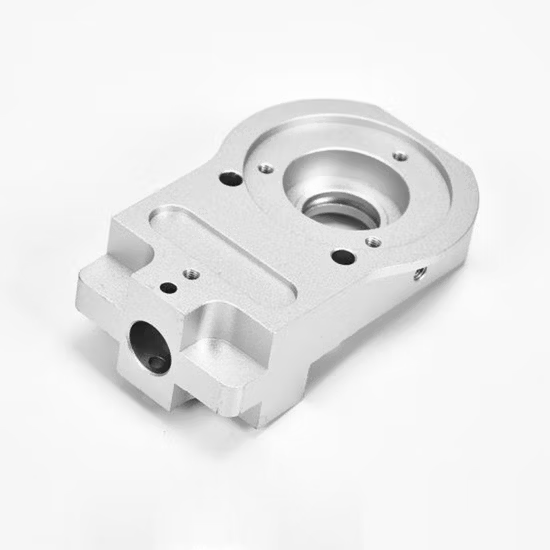
Current Surface Finishing Options for Aluminum Fabricated Parts: Anodizing, Powder Coating, and More (As of November 19, 2026)
When working with aluminum fabricated parts, it's common to wonder how to best protect them, enhance their appearance, and ensure their longevity. Raw aluminum, while lightweight and corrosion-resistant to some degree, often requires additional treatment to meet specific performance and aesthetic demands. This need gives rise to a variety of surface finishing options, each with distinct processes, benefits, and ideal applications. Understanding these choices is crucial for anyone involved in product design, manufacturing, or material specification, as the right finish can significantly impact a part's functionality and overall value.
The Essential Role of Surface Finishing for Aluminum Fabricated Parts
Surface finishing is not merely an aesthetic choice; it’s a critical engineering step that profoundly influences the performance and durability of aluminum components. Aluminum benefits significantly from these treatments for several key reasons:
Firstly, finishing enhances corrosion resistance. While aluminum naturally forms a protective oxide layer, this layer can be thin and susceptible to damage in harsh environments. Applied finishes create a more robust barrier, safeguarding the underlying metal from chemical attack, moisture, and saline conditions. Secondly, surface treatments improve wear resistance, a vital characteristic for parts subjected to friction or abrasion. Without a proper finish, soft aluminum surfaces can scratch, pit, or erode prematurely.
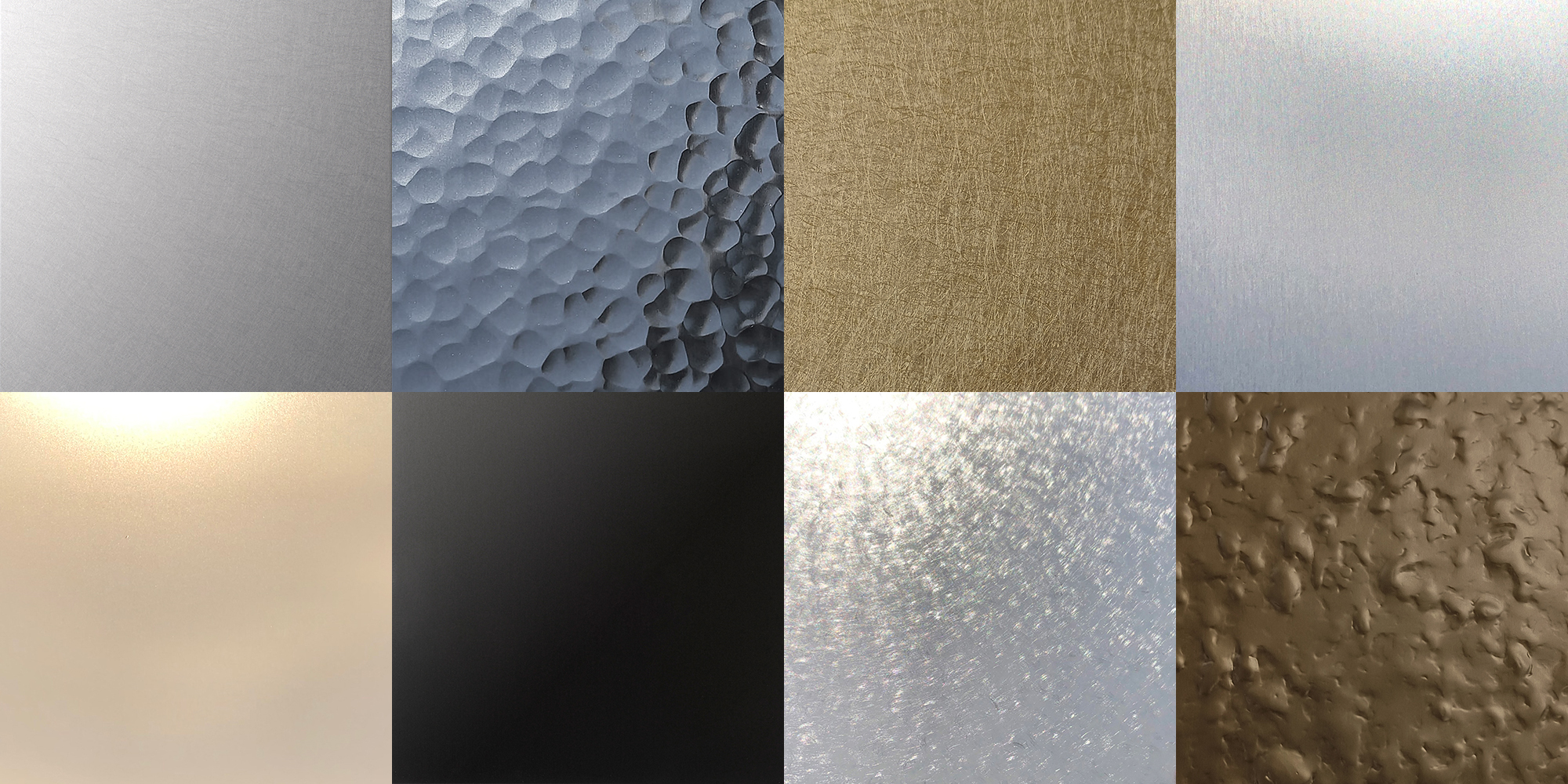
Beyond protection, finishing can significantly impact performance. Certain finishes, like anodizing, can integrate with the aluminum substrate, creating a hard, durable surface that is less prone to chipping or peeling. Finishes also play a crucial role in aesthetics, allowing for a vast range of colors, textures, and lusters that can meet specific design requirements or branding guidelines. Furthermore, finishing can conceal minor manufacturing imperfections, such as tool marks from processes like CNC machining, and prepare surfaces for subsequent steps in an assembly or production line. This comprehensive approach to enhancing protection, performance, and appearance underscores the importance of selecting the appropriate aluminum fabricated parts finishing option.
Key Surface Finishing Techniques for Aluminum Fabricated Parts
Several distinct techniques are employed to finish aluminum, each offering a unique set of properties.
Anodizing: Enhancing Aluminum's Natural Protection
Anodizing is an electrochemical process that converts the surface of aluminum into a durable, corrosion-resistant, anodic oxide finish. The underlying principle involves submerging the aluminum part into an electrolytic acid solution and passing an electric current through it. The aluminum acts as the anode, and oxygen ions released during electrolysis combine with the aluminum atoms to form an oxide layer. Unlike applied coatings, this layer is integral to the aluminum substrate, meaning it doesn't peel or chip.
The thickness and density of the anodic layer can be controlled by varying the electrical current, voltage, and time of the process. This integrated oxide layer provides superior wear and corrosion resistance, significantly increasing the lifespan of the fabricated part. For instance, anodized architectural components can maintain their appearance and structural integrity for decades, even in challenging exterior environments. Anodizing also allows for dyeing during the process, resulting in a range of colors, although its color palette is generally more limited compared to organic coatings. Some types of anodizing are also noted for improving the material's ability to dissipate heat.
Powder Coating: Durable Color and Advanced Protection
Powder coating is a dry finishing process where finely ground particles of pigment and resin are electrostatically charged and sprayed onto the electrically grounded aluminum surface. The charged powder particles adhere to the aluminum part. The part is then moved to a curing oven, where the powder melts and flows out to form a smooth, uniform, and durable coating when it cools.
This method is highly valued for its ability to deliver bright, long-lasting colors and a wide array of finishes, from matte to high-gloss, metallic, and textured. Powder coating offers excellent UV resistance, preventing fading and chalking when exposed to sunlight, making it ideal for outdoor applications. It also provides good corrosion protection, creating a robust barrier against environmental elements. Furthermore, powder coating is considered a more environmentally friendly option than traditional liquid paints because it produces minimal volatile organic compound (VOC) emissions during application, which aligns with modern sustainability goals.
High-Performance Liquid Coatings: PVDF and Specialty Paints
While powder coating has gained immense popularity, high-performance liquid coatings, particularly those based on Polyvinylidene Fluoride (PVDF), remain crucial for certain demanding applications. These are resin-based liquid paints that are factory-applied, typically in multiple layers, and then cured.
PVDF coatings are renowned for their exceptional resistance to corrosion, fading, and chemical degradation. This makes them particularly suitable for architectural cladding and other exterior applications where extreme weather conditions, urban pollution, or harsh cleaning agents are factors. Their ability to retain color and gloss over extended periods in severe environments is a significant advantage. PVDF coatings can often be applied in thinner layers than powder coatings while still providing superior protection and are formulated to be free of harmful VOCs. This combination of durability and environmental consideration makes them a premium choice for long-term exterior performance.
Mechanical and Chemical Pre-Treatment Finishes for Aluminum Parts
Before many of the aesthetic or protective coatings are applied, or sometimes as standalone finishes, mechanical and chemical processes play a vital role in preparing the aluminum surface or achieving specific surface characteristics.
Mechanical Finishes: Surface Preparation and Aesthetics
Mechanical finishing techniques involve physically altering the aluminum's surface texture. These methods can be used to achieve specific aesthetic looks, remove machining marks or burrs, and prepare the surface for subsequent treatments by improving adhesion.
- Bead Blasting: Involves propelling abrasive media (such as glass beads, ceramic beads, or aluminum oxide) at the aluminum surface under high pressure. This creates a uniform matte finish, hides minor surface imperfections, and can induce compressive stress in the surface, improving fatigue resistance.
- Polishing: Achieves a smooth, reflective, mirror-like finish through abrasive action, often in multiple stages using progressively finer abrasives.
- Brushing: Creates a uniform, unidirectional satin finish, often seen on consumer electronics and decorative panels.
- Buffing: Similar to polishing but uses softer abrasive compounds to achieve a very fine, glossy surface.
- Grinding: A more aggressive abrasive process used to remove significant material, reshape parts, or achieve precise dimensional tolerances, often followed by other finishing steps.
These mechanical processes are fundamental for achieving the desired starting surface for any subsequent aluminum fabricated parts finishing.
Chemical Conversion Coatings: Alodining for Protection and Priming
Chemical conversion coatings involve a chemical reaction on the aluminum surface to create a protective film. One prominent example is Alodining (also known as chromate conversion coating or chem film).
Alodining creates a thin, gel-like, non-conductive film that offers cost-effective corrosion protection for aluminum parts. Critically, this film serves as an excellent primer base for subsequent paint or coating layers, significantly improving their adhesion and overall performance. It's particularly useful when an electrical conductive surface needs to be maintained, unlike anodizing which is generally non-conductive. The process is relatively quick and can be applied to complex shapes, making it a versatile pre-treatment or standalone corrosion-resistant finish for a wide range of applications.
Choosing the Right Aluminum Fabricated Part Finishing Option
Selecting the optimal finish for your aluminum fabricated parts involves a careful evaluation of several interconnected factors. There isn't a one-size-fits-all solution, and the best choice will always be project-specific.
Assessing Functional Requirements and Environmental Exposure
The primary consideration is the part's intended function and the environment it will encounter. Will the part be exposed to harsh chemicals, saltwater, extreme temperatures, or constant abrasion? For instance, marine components would demand finishes with exceptional corrosion resistance, like certain types of anodizing or PVDF coatings. Parts subjected to high wear might benefit most from hard anodizing. Interior architectural elements might prioritize aesthetics and UV stability (if near windows) over extreme chemical resistance.
Consider also whether the part requires electrical insulation (favors most coatings) or electrical conductivity (favors specific chemical conversion coatings). The operational temperature range can also influence material choices for the finish; some coatings may degrade or outgas at very high temperatures. For robust industrial components, such as those found in heavy machinery or specialized equipment, understanding the exact stresses the part will undergo is paramount. Often, these applications might combine several processing steps, including precision Cnc Machining Service to form the part, followed by a durable finish to protect it.
Evaluating Aesthetic Goals and Durability Needs
Aesthetics are often a significant driver, especially for consumer goods, decorative elements, or architectural applications. Powder coating offers the widest array of colors and textures, providing unparalleled design flexibility. Anodizing provides a more integrated, translucent metallic look with limited color options but excellent color stability. Mechanical finishes, like brushing or polishing, can create unique surface textures without adding a separate layer.
Durability needs go beyond just corrosion and wear. Consider resistance to scratching, chipping, and fading. Anodizing, being an integrated layer, offers exceptional scratch resistance. Powder coatings are generally very durable and impact-resistant. The expected lifespan of the product also plays a role; a temporary display might use a less robust finish than a permanent outdoor installation.
Considering Tolerance and Cost Trade-offs
The thickness of the applied finish can impact dimensional tolerances, which is crucial for precision components. Anodizing, especially hard anodizing, can add measurable thickness to a part. Powder coatings also add a layer, typically thicker than conversion coatings or some anodize types. For parts with very tight tolerances, a thin conversion coating or a specific type of anodizing might be preferred, or the finishing thickness must be accounted for in the initial design dimensions.
Cost is always a factor, and it varies significantly between finishing options, depending on the process complexity, material costs, and required pre-treatment. Generally, simpler mechanical finishes or chemical conversion coatings can be more cost-effective for basic protection or priming. Powder coating offers a good balance of cost, aesthetics, and durability for many applications. Anodizing and high-performance liquid coatings, particularly for specialized types or multi-coat systems, tend to be at the higher end of the cost spectrum due to their advanced properties and processes. It's essential to weigh the upfront cost against the desired performance, longevity, and potential for future maintenance or replacement.
To illustrate the distinctions between two of the most popular options, here's a brief comparison:
| Feature | Anodizing | Powder Coating |
|---|---|---|
| Process | Electrochemical conversion of surface | Electrostatic application of dry powder, then baked |
| Layer Type | Integrated oxide layer (part of aluminum) | Applied organic coating (on surface) |
| Hardness/Wear | Excellent (especially hard anodizing) | Good to Excellent |
| Corrosion Resistance | Excellent | Good to Excellent |
| Aesthetics | Translucent metallic sheen, limited colors, can be dyed | Wide range of colors, textures, opacities |
| UV Resistance | Excellent (color stable) | Excellent (prevents fading/chalking) |
| Thickness | Varies (microns), impacts tolerances | Varies (mils), impacts tolerances |
| Chipping/Peeling | Does not chip or peel (integrated) | Can chip or scratch if severely impacted |
| Environmental | Uses acids, specific waste treatment needed | Minimal VOCs, powder reclaimable |
Frequently Asked Questions
What are some common finishing processes for aluminum?
Common finishing processes for aluminum include anodizing, which is an electrochemical process forming a durable oxide layer; powder coating, where dry paint is electrostatically applied and cured; and high-performance liquid paints like PVDF coatings. Additionally, mechanical finishes such as bead blasting and polishing, and chemical conversion coatings like Alodining, are widely used for aesthetic or protective purposes.
Conclusion
The array of surface finishing options available for aluminum fabricated parts offers a powerful toolkit for engineers, designers, and manufacturers seeking to optimize product performance, durability, and aesthetic appeal. From the integrated, hard protection of anodizing to the vibrant, resilient colors of powder coating, and the specialized chemical resistance of PVDF, each method presents unique advantages. Mechanical and chemical pre-treatments further refine surfaces, preparing them for subsequent processes or serving as standalone solutions.
Understanding the underlying principles and specific benefits of each finishing technique is paramount. Moving forward, consider exploring detailed technical specifications for each finish relative to specific industry standards, or consulting with finishing experts who can provide tailored recommendations based on the precise functional, environmental, and aesthetic demands of your next aluminum project.
