
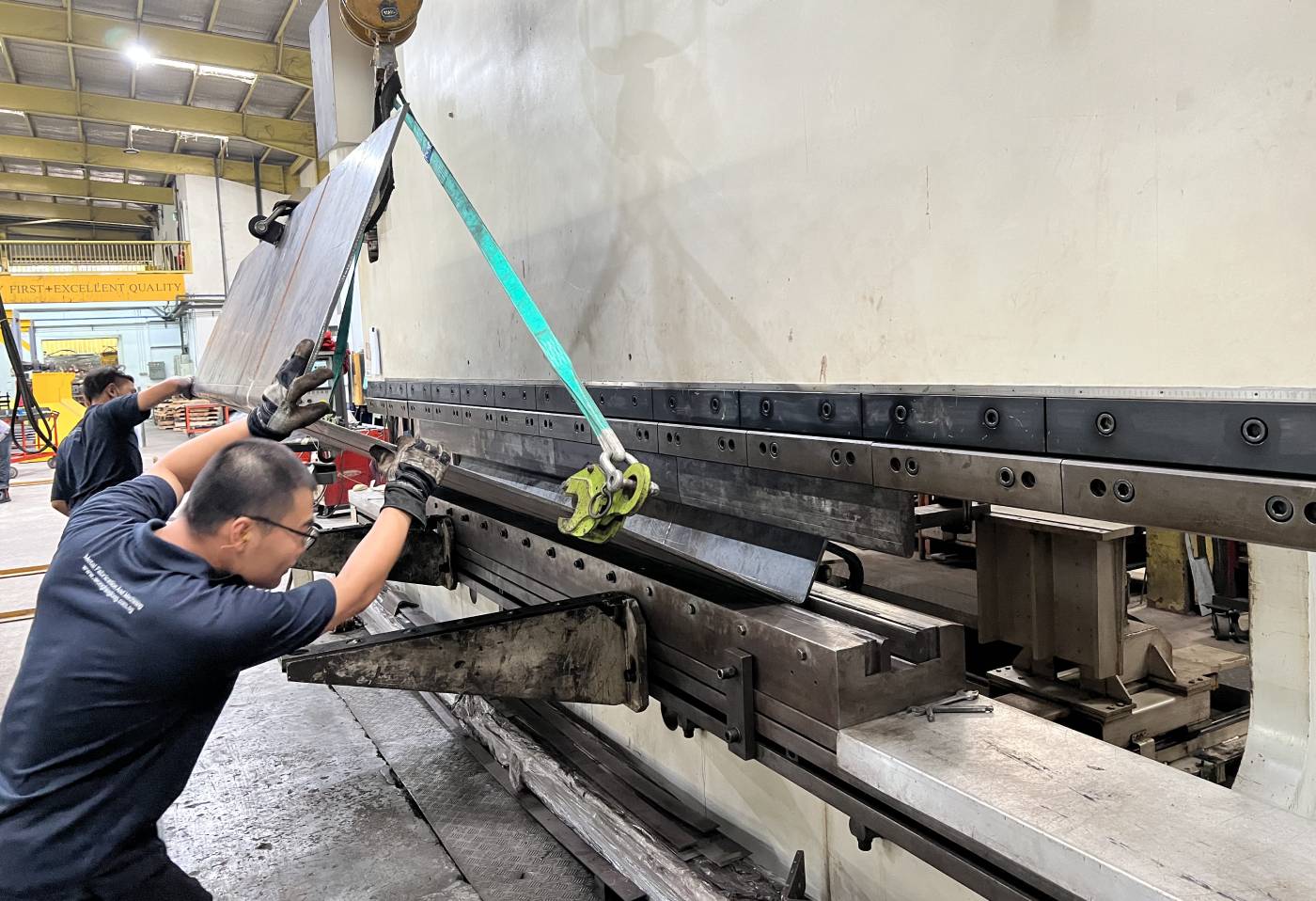
Metal Fabrication for Autonomous Vehicles: Innovations & Challenges in 2026
The dream of fully autonomous vehicles (AVs) navigating our roads is rapidly becoming a reality, poised to transform transportation as we know it. Yet, beneath the sophisticated layers of AI, sensors, and software lies a fundamental truth: autonomous vehicles are still, at their core, physical machines constructed from a multitude of engineered components. The ability of these vehicles to operate safely, reliably, and efficiently hinges significantly on the quality and precision of their fabricated metal parts. Understanding the intricate world of autonomous vehicle metal fabrication is crucial to grasping how these cutting-edge machines are brought to life. It's a field where traditional craftsmanship meets advanced robotics and materials science, facing unprecedented demands.
While the automotive industry has long relied on robust metal structures, autonomous vehicles introduce a new paradigm. They are not merely cars with enhanced features; they are highly complex mobile sensor platforms, necessitating structures that can integrate delicate electronics, ensure passenger safety under new operational conditions, and optimize performance parameters like range and responsiveness. This requires metal components that are not only strong and durable but also incredibly precise, often lightweight, and capable of being produced with high consistency. The traditional processes of shaping, cutting, and joining metal are being revolutionized to meet these exact requirements for the vehicles of tomorrow.
The Indispensable Role of Metal Fabrication in Autonomous Vehicle Manufacturing
Metal fabrication remains the backbone of vehicle construction, and autonomous vehicles are no exception. The chassis, frame, structural body panels, and countless internal components all rely on expertly formed and joined metals. The sheer scale of metal usage in vehicle manufacturing underscores its importance: a typical car, for example, is reported to require more than 400 distinct metal pieces, assembled with approximately 4,000 welding spots. This volume and complexity necessitate highly automated and precise fabrication methods.
For autonomous vehicles, metal provides the critical structural integrity that protects occupants and the sensitive electronic systems that enable self-driving capabilities. It forms the skeleton upon which all other technologies are mounted and secured. Beyond structural support, metal components are essential for:
- Enclosures and Mounts: Protecting delicate sensors (LiDAR, radar, cameras) and electronic control units from environmental factors and physical damage.
- Battery Housings: For electric autonomous vehicles, metal enclosures provide crucial protection and thermal management for large battery packs.
- Braking and Steering Systems: High-performance metal components are vital for ensuring the reliability of these critical safety systems, which must operate flawlessly without human intervention.
- Propulsion Systems: Whether electric or hybrid, the motors, transmissions, and related components involve significant metal fabrication.
The ongoing evolution of autonomous technology, including advanced driver-assistance systems (ADAS) and full self-driving capabilities, constantly pushes the boundaries of what is expected from metal components. They must be lighter for improved range and efficiency, stronger for enhanced safety, and more precisely manufactured to ensure flawless integration with sophisticated sensor arrays.
Key Components and Advanced Materials in AV Fabrication
The specific metallic components within an autonomous vehicle often mirror those of conventional vehicles – chassis elements, structural pillars, doorframes, engine/motor mounts, and suspension components. However, the unique demands of AVs also create specific requirements for specialized parts. For instance, the accurate placement and stability of sensors are paramount for an AV's perception system. This means custom-fabricated metal mounts and brackets for LiDAR units, radar sensors, and cameras must exhibit exceptional dimensional accuracy and rigidity to prevent misalignment, which could critically impair the vehicle's ability to "see" and interpret its surroundings. Similarly, metal enclosures are often required to house and shield sensitive electronic control units (ECUs) from electromagnetic interference (EMI) and harsh operating conditions.
To meet the evolving demands of autonomous vehicles, manufacturers are increasingly turning to advanced materials beyond traditional steel. The drive for lightweighting to improve energy efficiency and increase battery range in electric AVs, combined with the need for superior crash protection, has put a spotlight on:
- High-Strength Steels (HSS) and Ultra-High-Strength Steels (UHSS): These materials offer an excellent strength-to-weight ratio, allowing for thinner gauges and lighter structures without compromising safety. Fabricating these steels requires specialized processes due to their hardness and propensity for spring-back. Examples include various grades of Steel 1018 and other higher-strength Alloy Steel compositions.
- Aluminum Alloys: Known for their lightweight properties, aluminum alloys are increasingly used for body panels, structural components, and battery enclosures. Their fabrication requires specific welding techniques (e.g., friction stir welding) and forming processes to manage their different material characteristics compared to steel.
- Magnesium Alloys: Even lighter than aluminum, magnesium alloys are explored for components where maximum weight reduction is critical, though their ductility and corrosion resistance present unique manufacturing challenges.
- Multi-Material Architectures: The most advanced AV designs often combine various materials – steels, aluminum, composites – within a single structure to optimize properties for different parts. This creates significant challenges for joining techniques, requiring innovative welding, bonding, and riveting solutions.
The selection of these advanced Materials directly influences the fabrication processes chosen. Each material comes with its own set of characteristics that dictate the tooling, temperatures, and techniques required to achieve the desired component.
Cutting-Edge Manufacturing Processes: Automation and Robotics
The precision, efficiency, and scalability required for autonomous vehicle metal fabrication are unattainable without advanced automation and robotics. Industrial robots and Computer Numerical Control (CNC) machines are no longer supplementary tools but are fundamental to the manufacturing floor.
Key metal fabrication applications heavily reliant on automation include:
- Arc Welding and Laser Welding: Robots perform thousands of precise welds on each vehicle structure. Robotic arc welding is critical for joining robust chassis components, while high-precision laser welding offers speed, minimal heat distortion, and the ability to join complex geometries and dissimilar materials with exacting accuracy—a significant advantage for multi-material AV structures.
- Laser Cutting and Plasma Cutting: Automated laser and plasma systems deliver intricate cuts with extremely tight tolerances, essential for producing complex part geometries and ensuring perfect fit-up for assembly, particularly for sensor mounts and electronic enclosures.
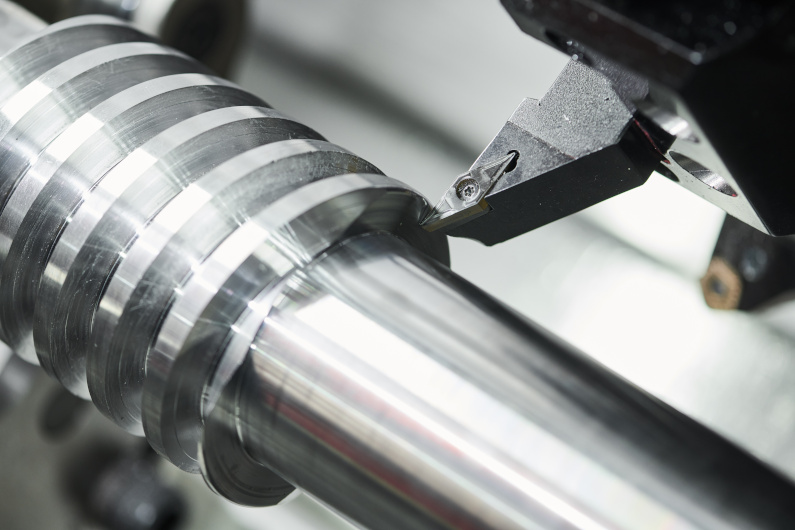
- CNC Machining: For components requiring ultra-high precision, such as specialized brackets, housings, or critical engine/motor parts, CNC machining centers precisely remove material to achieve exacting dimensions and surface finishes. This is vital for ensuring sensor alignment and the proper function of mechanical systems.
- Sheet Metal Forming and Stamping: Robotic presses and automated stamping lines rapidly form large quantities of complex metal sheets into vehicle body panels and structural components, providing consistency and speed.
- Material Handling and Assembly: Beyond fabrication, robots handle heavy metal sheets, transfer parts between workstations, and perform complex sub-assembly tasks, improving safety and maintaining high throughput.
A significant development in this sector is the rise of AI-powered robotic systems. Projects, such as one completed by the ARM Institute in 2023, are actively developing AI-driven robotic solutions specifically to address the challenge of low-volume, high-mix production of complex metallic components for industries including commercial automotive. These intelligent systems aim to offer greater flexibility, faster reprogramming, and improved adaptability to new designs, directly tackling the need for customized, precise parts in a rapidly evolving autonomous vehicle landscape, while balancing quality, cost, and lead-time. Such systems can learn and adapt to variations, making them ideal for the iterative design cycles common in AV development.
Navigating the Challenges of Autonomous Vehicle Metal Fabrication
While the advancements in metal fabrication are impressive, the path to mass-producing autonomous vehicles presents unique manufacturing challenges:
- Ultra-High Precision for Sensor Integration: Autonomous vehicles depend entirely on their suite of sensors. Misalignment of even fractions of a millimeter in a LiDAR mount or radar housing can severely compromise the vehicle's ability to accurately perceive its environment. Fabricating these components requires exceptional dimensional accuracy, tighter tolerances than typically seen in conventional automotive parts, and rigorous quality control.
- Structural Designs for New Safety Paradigms: With the driver removed from the active control loop, safety systems in AVs must account for different crash dynamics and occupant protection needs. This can lead to novel structural designs, potentially involving more complex geometries or the strategic integration of dissimilar materials to absorb impact forces optimally. Fabricating these new structures demands adaptability in tooling and joining techniques.
- Low-Volume, High-Mix Production: Unlike traditional vehicles that often aim for extremely high-volume production of identical parts, early autonomous vehicles, and even specialized commercial AVs, may initially involve lower production volumes with more variations (high-mix). This poses a challenge for traditional hard-tooled manufacturing lines. AI-powered robotic systems are being developed to offer the flexibility to switch between different component designs quickly and cost-effectively without extensive retooling.
- Joining Dissimilar Materials: As mentioned, multi-material architectures are becoming essential for optimizing weight and strength. However, welding or joining different metals (e.g., steel to aluminum) presents significant metallurgical challenges, requiring specialized techniques to prevent galvanic corrosion, maintain joint strength, and manage different thermal expansion rates.
- Quality Control and Traceability: Given the safety-critical nature of AV components, rigorous quality control and comprehensive traceability of every fabricated part are non-negotiable. This involves advanced inspection techniques, digital twin integration, and robust data management throughout the fabrication process.
These challenges push the boundaries of current metal fabrication capabilities, driving innovation in both process technology and material science.
Leading Metal Fabrication Companies & Ecosystem for Autonomous Vehicles (2026)
The ecosystem supporting autonomous vehicle metal fabrication is robust and diverse, comprising major automation providers, specialized fabricators, and research institutions. Companies like FANUC America provide advanced robotic and CNC solutions crucial for high-precision manufacturing across the automotive and electric vehicle sectors, directly impacting the capabilities available for AV production. Similarly, Cadrex offers extensive capabilities in sheet metal fabrication, stamping, machining, and welding services that can be leveraged for complex AV components.
The ARM Institute, a consortium dedicated to accelerating robotics for advanced manufacturing, plays a vital role in pushing the envelope. Their projects, often in collaboration with technology firms like Yaskawa (a leading robotics company) and CapSen Robotics (specializing in 3D vision and AI for robots), focus on developing AI-powered robotic systems capable of handling the complexities and precision required for manufacturing high-mix, low-volume components crucial for emerging technologies like autonomous vehicles. These entities represent the cutting edge of manufacturing technology that makes sophisticated autonomous vehicle fabrication possible.
Finding Your Autonomous Vehicle Metal Fabrication Partner (US Market)
For companies developing or producing autonomous vehicles, selecting the right metal fabrication partner is a critical decision. The capabilities of a fabrication shop directly impact the quality, cost, and timelines of component delivery. When seeking a partner in the US market, consider the following criteria:
- Advanced Equipment and Capabilities: Look for facilities equipped with state-of-the-art CNC machining centers, robotic welding cells (including laser welding), advanced laser/plasma cutting systems, and high-precision stamping equipment.
- Experience with Complex Assemblies and Materials: Prioritize partners with a proven track record in fabricating intricate, high-tolerance components and experience working with advanced materials such as high-strength steels, aluminum alloys, and multi-material joining techniques. Their expertise in these areas will be invaluable.
- Quality Certifications and Processes: Ensure the fabricator adheres to stringent quality management systems (e.g., ISO 9001, AS9100 for aerospace standards if applicable, IATF 16949 for automotive), demonstrating a commitment to consistent quality. Robust inspection capabilities are essential.
- Design for Manufacturability (DFM) Expertise: A valuable partner will collaborate during the design phase, offering insights to optimize parts for efficient and cost-effective fabrication without compromising performance.
- Scalability and Flexibility: Assess their ability to handle both prototype runs and eventual higher-volume production, as well as their flexibility to adapt to design changes and customized component needs.
The Road Ahead for Autonomous Vehicle Metal Fabrication
The future of autonomous vehicles is inextricably linked to continuous innovation in metal fabrication. As AV technology matures, the demands on metal components will only increase, pushing for even lighter, stronger, and more precisely manufactured parts. The convergence of advanced materials science, artificial intelligence, and robotic automation promises to unlock new possibilities, enabling the production of safer, more efficient, and ultimately more capable autonomous vehicles. For those interested in the foundational elements of this transformative technology, understanding these fabrication advancements is key to appreciating the engineering marvel that autonomous vehicles represent. The next steps in this journey will likely involve further integration of smart manufacturing principles, advanced sensor-based quality control, and the development of novel materials tailored precisely to the unique challenges of tomorrow's autonomous fleet.
