

Optimizing Material Utilization in CNC Machining: Cutting Waste and Costs by 2026
Many within the manufacturing industry intuitively understand that waste in Computer Numerical Control (CNC) machining directly translates to increased costs and environmental burden. However, the full scope of "waste" often extends beyond the visible piles of metal chips and rejected parts. Inefficient material utilization affects profitability, operational efficiency, and a company's sustainability footprint, making comprehensive CNC machining material waste reduction a critical objective for modern manufacturers aiming for competitiveness and responsible production as of late 2026.
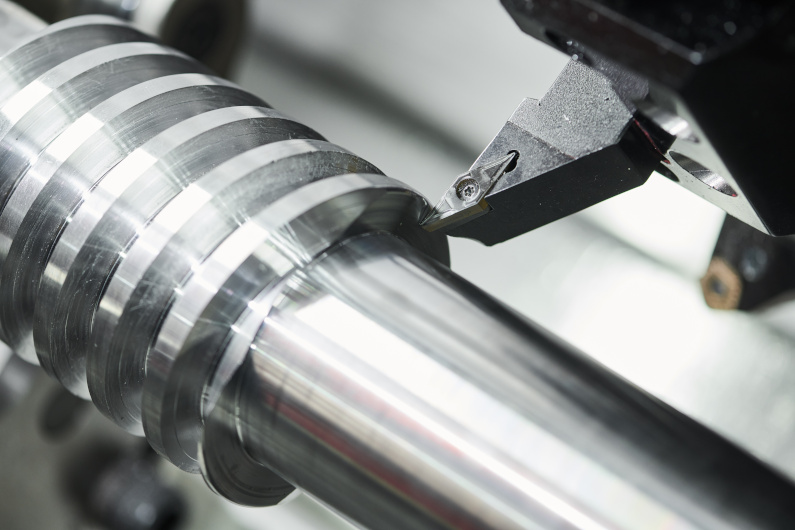
This article delves into the strategies and methodologies for systematically minimizing material waste, energy consumption, and time inefficiencies in CNC machining. By understanding the underlying principles of waste generation and embracing advanced technologies and process optimizations, manufacturers can significantly enhance their material utilization, reduce operational expenses, and contribute to a more sustainable industrial future.
Understanding CNC Machining Waste: Types, Impacts, and the Imperative for Reduction
Waste in CNC machining is a multifaceted problem, encompassing far more than just discarded raw materials. To effectively combat it, one must first identify its various forms:
- Material Waste: This is the most obvious form, including chips, turnings, offcuts from raw stock, and scrap from defective parts. Every ounce of unused material represents a direct financial loss and often requires energy for disposal or recycling.
- Energy Waste: CNC machines consume substantial electricity not only during cutting but also in idle states, for cooling systems, and for auxiliary equipment. Inefficient operation, suboptimal toolpaths, or older, less efficient machinery can lead to excessive energy consumption, driving up utility bills and carbon emissions.
- Time Waste: This category includes non-value-added activities such as lengthy setup times, excessive cycle times due to inefficient programming, machine downtime for maintenance or repairs, waiting for materials, and rework due to quality issues. Time waste impacts production capacity and delivery schedules.
- Defective Parts: Producing parts that do not meet specifications leads to immediate material waste (the scrapped part itself), energy waste (used to machine the part), and time waste (for machining, inspection, and rework or remanufacturing).
The cumulative impact of these waste types is significant. Environmentally, they contribute to resource depletion, increased energy consumption, and potential pollution from discarded materials. Financially, they erode profit margins through higher material purchasing costs, increased energy bills, higher labor costs due to inefficiencies, and the expenses associated with waste disposal and rework. The growing global emphasis on sustainability and resource efficiency means that manufacturers who actively pursue CNC machining material waste reduction are better positioned to meet regulatory requirements, appeal to environmentally conscious customers, and build a resilient supply chain.
Leveraging Smart Technologies and Software for Precision Waste Reduction
The digital revolution has brought forth powerful tools that are transforming waste reduction in CNC machining. These technologies enable a level of precision and foresight previously unattainable, addressing material, energy, and time waste proactively.
How Advanced CAM and Nesting Software Minimize Material Scrap
Computer-Aided Manufacturing (CAM) software is central to translating design into executable machine code. Advanced CAM systems now integrate sophisticated algorithms for "nesting," a process where multiple part geometries are arranged on a single sheet or block of raw material to maximize yield. The underlying principle is to minimize the empty space between parts and along the edges of the stock, thereby reducing offcuts and scrap.
These systems consider part geometry, tool kerf, and clamping requirements to generate optimal layouts, particularly for flat parts cut from sheet stock or multiple parts from bar stock. For manufacturers working with diverse materials, such as various metal alloys, advanced nesting can drastically cut down on costly waste. For instance, in an operation using a common engineering steel like Steel 1018, optimizing the layout of components on a raw sheet can reduce overall material purchases by a measurable percentage, directly impacting the bottom line.
The Role of Digital Twins and Virtual Simulation in Preventing Errors
One of the most effective strategies for preventing waste before it even occurs is through the use of digital twins and virtual simulation. A digital twin is a virtual replica of a physical CNC machine and its operating environment. By simulating the entire machining process in this virtual space, engineers can:
- Detect Collisions: Identify potential crashes between the tool, workpiece, fixture, and machine components before they happen, preventing costly damage and material scrap.
- Validate Toolpaths: Verify that toolpaths are efficient, complete, and do not lead to unnecessary cuts or air cutting, saving machining time and energy.
- Predict Part Quality: Analyze predicted material removal and stress distribution to ensure the final part will meet dimensional and surface finish requirements, reducing the likelihood of producing defective parts.
This virtual proving ground allows for iterative optimization of the machining process, ensuring a "first-time-right" approach, which is crucial for CNC machining material waste reduction.
AI-Powered CAM: The Next Frontier in Optimization and Efficiency
Artificial Intelligence (AI) is rapidly evolving the capabilities of CAM software, pushing the boundaries of material and energy efficiency. AI-powered CAM systems leverage machine learning algorithms to analyze vast datasets from previous machining operations, tool wear, material properties, and machine performance. This enables them to generate highly optimized toolpaths and machining parameters that a human programmer might overlook.
The mechanism behind this is AI's ability to identify complex patterns and correlations, leading to:
- Hyper-Efficient Toolpaths: AI can design toolpaths that minimize material removal, reduce non-cutting moves, and optimize cutting speeds and feeds for specific material-tool combinations, leading to less chip waste and faster cycle times.
- Predictive Optimization: By predicting tool wear and machine behavior, AI can adjust parameters dynamically to maintain quality and prevent errors, further reducing scrap.
An experimental study published on February 4, 2026, comparing baseline Computer-Aided Manufacturing (CAM) with an AI-assisted counterpart, reported significant improvements in waste reduction metrics. This study detailed a material waste reduction from 18.9% to 11.2%, a cycle time decrease from 42 to 36 minutes, and an energy consumption drop from 14.9 to 12.3 kWh. Crucially, the overall cost function value was reduced by 24.6% under the AI-powered CAM system. These findings highlight the transformative potential of AI in achieving superior material utilization and cost savings.
Real-Time Monitoring and Analytics for Process Control
Modern CNC machines often incorporate integrated sensors and data acquisition systems that provide real-time feedback on various operational parameters, such as spindle load, vibration, temperature, and tool position. This data is fed into analytics platforms, allowing operators and engineers to:
- Detect Deviations Instantly: Identify anomalies or deviations from optimal parameters as they occur.
- Make Immediate Adjustments: Promptly correct issues like excessive tool wear, chattering, or thermal deformation before they lead to part defects or machine damage.
This continuous feedback loop is critical for maintaining consistent part quality and preventing the production of scrap, directly supporting CNC machining material waste reduction. Many professional Cnc Machining Service providers leverage these advanced monitoring capabilities to guarantee high precision and minimize waste for their clients.
Strategic Process Optimization: Lean Principles and Design for Manufacturability
While technology offers powerful solutions, foundational improvements often stem from strategic process optimization rooted in lean manufacturing principles and thoughtful design.
Implementing Lean Manufacturing to Reduce Waste and Inefficiencies
Lean manufacturing focuses on identifying and eliminating "muda" (Japanese for waste) in all its forms across the production process. For CNC machining, this involves:
- Value Stream Mapping: Identifying all steps in the production process and distinguishing between value-added and non-value-added activities.
- Demand-Driven Production: Producing only what is needed, when it is needed, to avoid overproduction, which can lead to excess inventory, storage costs, and potential obsolescence of parts or materials.
- Continuous Improvement (Kaizen): Fostering a culture where every team member is empowered to identify and implement small, incremental improvements to processes, leading to cumulative waste reduction over time.
By systematically applying these principles, manufacturers can streamline operations, reduce lead times, and minimize both material and time waste.
The Power of Design for Manufacturability (DFM) in Minimizing Material Input
Design for Manufacturability (DFM) is a proactive approach that aims to optimize product design to facilitate efficient, cost-effective manufacturing, with a strong emphasis on reducing material usage. The core mechanism of DFM in waste reduction involves:
- Simplifying Part Geometries: Reducing unnecessary features or complex geometries that require extensive material removal or specialized, costly tooling.
- Consolidating Parts: Designing single components that perform the function of multiple assembled parts, reducing the number of individual items to machine and assemble, and often simplifying material needs.
- Designing for Standard Stock Sizes: Specifying raw material dimensions that align with commonly available stock sizes, minimizing the need to cut down larger sheets or bars and reducing offcut waste.
- Minimizing Material Removal: Designing parts so that the final shape is achieved with the least possible amount of material removal from the raw stock.
DFM is a foundational step because it addresses waste at its earliest point—the design phase—before any material has even been ordered or cut.
Optimizing Toolpaths and Cutting Parameters for Maximum Material Yield
Beyond the capabilities of advanced CAM, the hands-on optimization of toolpaths and cutting parameters plays a critical role. This involves:
- Selecting Appropriate Cutting Tools: Using tools designed for specific materials and operations can significantly improve cutting efficiency, reduce wear, and enhance surface finish, thereby reducing the likelihood of scrap.
- Calibrating Feeds and Speeds: Precisely adjusting feed rates (how fast the tool moves through the material) and spindle speeds (how fast the tool rotates) based on material hardness, tool type, and machine rigidity. Incorrect parameters can lead to excessive tool wear, poor surface finish, or even tool breakage, all contributing to waste.
- Optimizing Depth of Cut: Balancing aggressive material removal with tool longevity and surface quality to achieve the desired results efficiently.
These adjustments, often fine-tuned by experienced operators, contribute to longer tool life, better surface quality, and less material rendered unusable due to machining errors.
Utilizing Near-Net Stock and Intelligent Inventory Management
A straightforward yet impactful strategy for material waste reduction is the use of near-net raw material stock. This refers to purchasing materials that are already close to the final part's dimensions, thereby significantly reducing the amount of material that needs to be removed and turned into chips. For example, instead of machining a complex part from a large rectangular block, starting with a casting or a pre-formed blank that roughly approximates the final shape can drastically cut down on initial material waste.
Coupled with this is intelligent inventory management. By accurately forecasting demand and maintaining optimized stock levels, manufacturers can:
- Reduce Excess Inventory: Avoid holding large quantities of raw materials that may become obsolete or damaged, tying up capital and space.
- Minimize Rush Orders: Prevent expedited shipping and potential premium costs associated with last-minute material procurement.
- Optimize Purchasing: Leverage bulk discounts when appropriate while avoiding overstocking.
These practices ensure that material is available when needed without leading to wasteful oversupply.
Enhancing Energy Efficiency in CNC Operations: A Key to Cost Savings
Energy consumption is a significant operational cost and environmental concern in CNC machining. Optimizing material utilization inherently includes optimizing the energy used to process that material.
Understanding Energy Consumption in CNC Machines
CNC machines consume energy primarily through:
- Spindle Motors: Driving the cutting tool, especially during heavy cuts or at high RPMs.
- Axis Motors: Moving the cutting head or workpiece along the X, Y, and Z axes.
- Cooling Systems: Maintaining optimal temperatures for the spindle, hydraulics, and electronics.
- Auxiliary Systems: Pumps, lights, and control systems.
Understanding these consumption points allows for targeted optimization.
Features like Demand-Driven Power and Energy-Efficient Motors
Modern CNC machines are increasingly incorporating features designed to reduce energy waste. One such feature is demand-driven power usage, which adjusts the power supplied to components, such as the spindle or axis motors, based on the actual load required for a specific operation. Instead of running at maximum capacity constantly, the machine dynamically scales power consumption, leading to significant savings during lighter cuts or idle periods.
Furthermore, the adoption of energy-efficient motors (e.g., IE3 or IE4 efficiency classes) for spindles and auxiliary systems ensures that less electricity is converted into wasted heat and more into usable mechanical energy, further contributing to CNC machining material waste reduction by improving energy efficiency.
Monitoring and Managing Energy Use for Sustainable Operations
While specific technologies like regenerative braking systems are often part of the energy efficiency conversation, the overarching strategy for energy reduction lies in comprehensive monitoring and management. Implementing energy monitoring systems allows manufacturers to track real-time energy consumption of individual machines or entire production lines. This data provides insights into peak usage times, identifies energy-intensive operations, and highlights machines that may be operating inefficiently.
By analyzing this data, manufacturers can:
- Schedule Operations Strategically: Group energy-intensive tasks during off-peak electricity hours where possible.
- Identify and Rectify Inefficiencies: Pinpoint machines or processes consuming excessive energy without justification.
- Implement Power-Saving Modes: Ensure machines are set to low-power or standby modes during idle periods.
This proactive management of energy use not only reduces operational costs but also lowers the carbon footprint of CNC manufacturing, aligning with broader sustainability goals.
Best Practices for Material Handling, Tool Maintenance, and Waste Recycling
The final stages of the manufacturing process and the overall operational approach significantly influence material utilization and waste reduction.
Proper Selection and Preparation of Raw Materials
The journey to optimized material utilization begins with the correct selection and preparation of raw materials. This involves:
- Material Specification: Choosing the right grade and type of material for the application to prevent costly failures or over-engineering.
- Quality Inspection: Ensuring incoming raw materials meet quality standards, as defective stock can lead to immediate scrap or problems during machining.
- Proper Storage: Storing materials in conditions that prevent corrosion, warping, or damage, which could render them unusable.
- Accurate Cutting: Precisely cutting raw stock to the required dimensions, minimizing initial offcuts and ensuring the workpiece fits fixtures correctly.
The Impact of Preventive Tool Maintenance on Waste and Quality
Cutting tools are at the heart of CNC machining. Their condition directly impacts part quality, machining efficiency, and ultimately, material waste. Regular preventive tool maintenance is crucial because:
- Sharp Tools Produce Quality Parts: Worn or dull tools lead to poor surface finishes, inaccurate dimensions, and increased burr formation, often resulting in defective parts that become scrap.
- Extended Tool Life: Proper maintenance, including regular inspection, sharpening, and correct storage, extends the lifespan of cutting tools, reducing tool replacement costs and the waste associated with discarded tools.
- Reduced Machine Stress: Sharp tools cut more efficiently, reducing strain on the machine's spindle and motors, which can also contribute to energy savings and machine longevity.
Implementing a robust tool management system that tracks tool usage, schedules preventive maintenance, and ensures tools are always in optimal condition is a straightforward way to contribute to CNC machining material waste reduction.
Effective Collection, Segregation, and Recycling Programs for Machining Chips
Even with all optimization efforts, chip material is an unavoidable byproduct of subtractive manufacturing. However, how these chips are handled can significantly impact their value and environmental footprint.
- Segregation: Separating different types of metal chips (e.g., aluminum, steel, brass) at the source is paramount. Mixed chips have a significantly lower recycling value and are harder to reprocess than segregated materials.
- Collection and Storage: Implementing efficient chip collection systems that separate coolant from chips and store them in clearly labeled containers.
- Recycling Programs: Partnering with reputable metal recyclers ensures that chips are reprocessed, reducing the demand for virgin raw materials and converting waste into a revenue stream.
This systematic approach to chip management transforms a waste product into a valuable resource, closing the loop in the manufacturing process and contributing to a circular economy.
Moving Towards a Circular Economy in CNC Manufacturing
All the strategies discussed—from DFM and AI-powered CAM to energy efficiency and comprehensive recycling—contribute to the broader goal of a circular economy. In a circular economy, resources are kept in use for as long as possible, maximum value is extracted from them whilst in use, and then products and materials are recovered and regenerated at the end of each service life. For CNC manufacturing, this means:
- Minimizing material input at the design stage.
- Optimizing processes to reduce waste during production.
- Extending the life of tools and machinery.
- Effectively recycling byproducts back into the supply chain.
By adopting these principles, manufacturers not only reduce costs but also contribute to a more sustainable and resource-efficient industrial landscape.
Manufacturers interested in further exploring these strategies should evaluate their current operations for specific waste points, research available AI-powered CAM solutions, and consider engaging with DFM experts to redesign components. Continuous training for staff on lean principles and proper tool maintenance practices is also vital for long-term success in reducing waste and cost.
