
Digital Manufacturing Tools for Metal Fabrication: Enhancing Efficiency from Design to Production (2026-11-22)
The metal fabrication industry stands at a critical juncture. Faced with persistent challenges like a shrinking skilled labor pool, increasingly complex design demands, and pressure to maintain competitive margins, many fabricators find their traditional methods stretched to their limits. The question for many is not whether to adopt new technologies, but how to navigate the vast and sometimes overwhelming landscape of "digital manufacturing tools metal fabrication" offers. Understanding these tools—from initial design conception through to the final production floor—is essential for unlocking new levels of efficiency, precision, and adaptability.
This article explores the core digital manufacturing tools specifically designed for metal fabrication. We will examine how these technologies provide solutions to real-world problems, from optimizing operational workflows to revolutionizing the very process of forming metal parts, ultimately enabling fabricators to gain greater control and competitiveness in an evolving market.
The Digital Transformation of Metal Fabrication: An Overview
For decades, metal fabrication relied heavily on manual skill, mechanical processes, and paper-based workflows. While craftsmanship remains invaluable, the modern landscape demands more. Digital manufacturing represents a paradigm shift, integrating information technology across all stages of production. It's not merely about adding a new machine; it's about connecting data, processes, and people to create a more intelligent, responsive, and efficient operation.
Why Digitalization is Essential for Metal Fabricators Today
The necessity for digitalization stems from several converging factors. First, the growing complexity of part geometries and tighter tolerance requirements demand precision that often exceeds manual capabilities. Second, market pressures for faster turnaround times and mass customization require agile production systems. Third, the ongoing challenge of skilled labor shortages means that companies must empower their existing workforce and automate repetitive tasks. Digital tools offer solutions by reducing human error, automating complex calculations, and facilitating data-driven decision-making, allowing fabricators to do more with less while delivering higher quality.
Key Challenges Digital Tools Address in Metal Fabrication
Digital manufacturing tools provide targeted solutions to specific pain points. They help reduce material waste through optimized nesting algorithms, shorten lead times by automating design-to-production workflows, and improve quality control by implementing sensor-driven inspection systems. By creating a transparent and connected production environment, these tools also give fabricators a clearer picture of their operations, identifying bottlenecks and areas for improvement that might otherwise remain hidden. This comprehensive approach is crucial for navigating an industry that is rapidly evolving.
Essential Digital Manufacturing Software for Metal Fabrication
Software forms the backbone of any digital manufacturing strategy. It's where designs are born, operations are planned, and data is managed. For metal fabricators, selecting the right software suite is paramount to success.
Open-Source Solutions for Operational Control (ERP, MES, Unified Namespace)
Open-source software offers a compelling alternative to proprietary systems, particularly for shops seeking greater control, flexibility, and cost savings. These solutions provide modular, connectivity-first platforms for core business functions.
- Enterprise Resource Planning (ERP): Systems like Odoo 19, a popular modular business platform, offer comprehensive ERP capabilities. While Odoo is not exclusively open-source in all its editions, its core structure and community contributions embody the open-source philosophy. ERP systems integrate various business functions—from purchasing and inventory to sales and accounting—providing a holistic view of operations.
- Manufacturing Execution Systems (MES): MES solutions bridge the gap between ERP and the shop floor, managing and monitoring work in progress, machine status, quality data, and production schedules. Eryxon Flow, for instance, is an MES specifically designed for metalworking. Its Community edition is free for a single production site, and each release becomes fully open source (GPL) after four years, demonstrating a commitment to accessibility and long-term control for users.
- Unified Namespace: A critical component for data integration, a unified namespace acts as a central hub where all operational data—from machines, sensors, and software—is structured and organized. Tools like United Manufacturing Hub (UMH) Core serve as such a backbone, offering over 50 ready-made connectors for various industrial protocols. This approach allows fabricators to aggregate data from disparate sources into a single, coherent view, enabling better analytics and real-time decision-making without vendor lock-in.
CAD/CAM Software for Design and Preparation
The journey of any metal part begins in design. Computer-Aided Design (CAD) software allows engineers to create precise 2D and 3D models. These digital models then transition to Computer-Aided Manufacturing (CAM) software, which translates the design into machine-readable instructions (G-code) for CNC (Computer Numerical Control) equipment. Popular CAD/CAM solutions for metal fabrication include SolidWorks, AutoCAD, and specialized nesting software like SigmaNEST, which optimizes material usage for cutting processes. The seamless integration between CAD and CAM ensures that design intent is accurately translated to the manufacturing process, minimizing errors and rework.
Data Visualization and Custom Application Backends
Beyond core ERP and MES, specialized tools for data visualization allow fabricators to transform raw operational data into actionable insights. Dashboards can display real-time machine performance, production output, quality metrics, and inventory levels. For unique requirements, custom application backends can be developed to process specific data streams or manage proprietary workflows, offering a tailored approach to data management and operational oversight.
The Benefits of Self-Hosting and Containerization
The concept of self-hosting digital manufacturing software has become increasingly viable for metal fabrication shops. Modern advancements, particularly containerization technologies like Docker, have simplified deployment and management. Docker packages software and all its dependencies into a self-contained unit, making it easier to install and run applications consistently across different environments. This approach empowers shops with greater control over their infrastructure, data security, and customization options, often reducing long-term costs associated with cloud subscriptions or proprietary vendor support.
Innovations in Digital Metal Fabrication Machines & Processes
While software orchestrates the digital factory, advanced machinery executes the physical transformation of metal. Breakthroughs in machine technology are revolutionizing what's possible in metal fabrication, enhancing both speed and precision.
Advanced CNC Tools and Their Capabilities
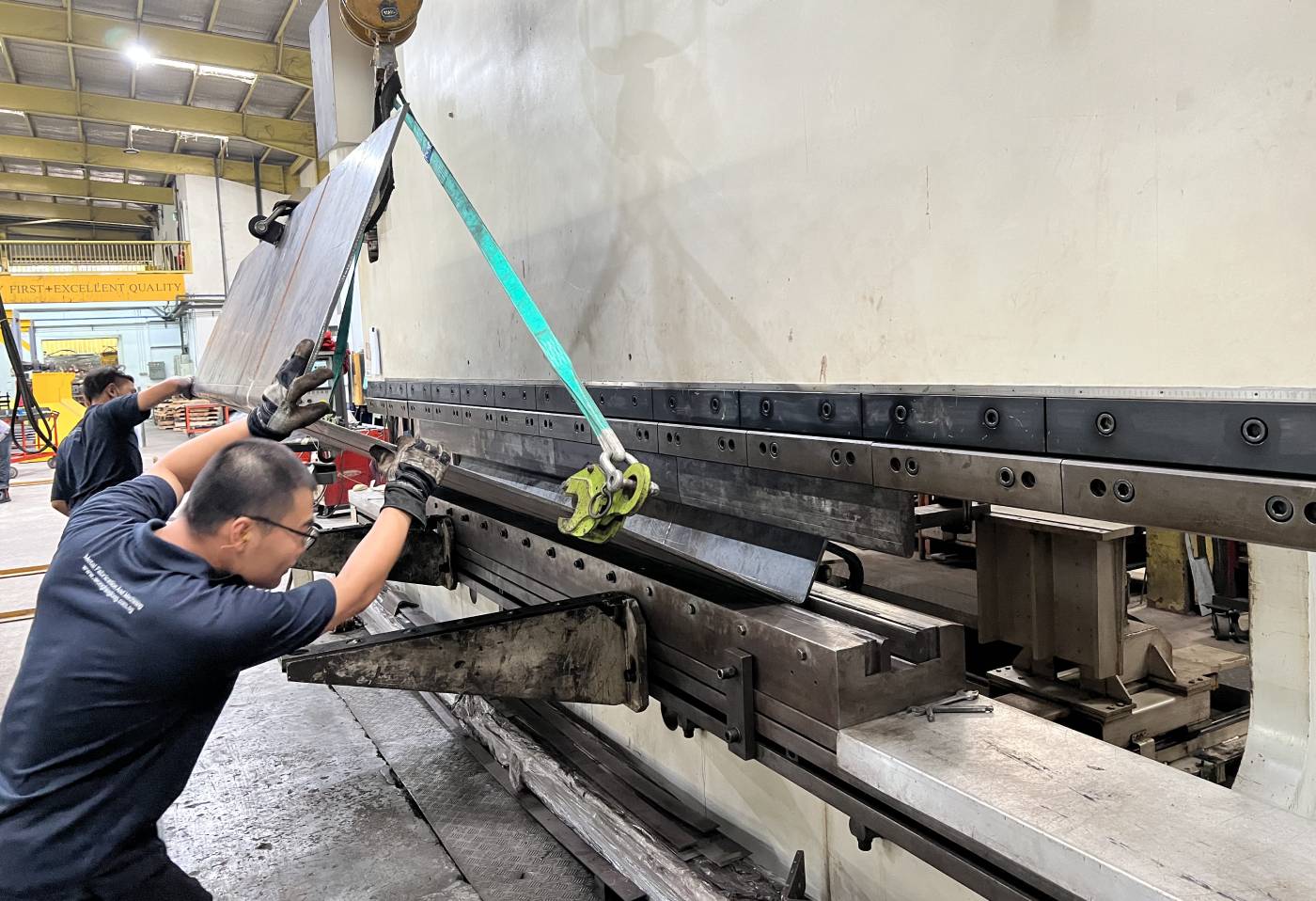
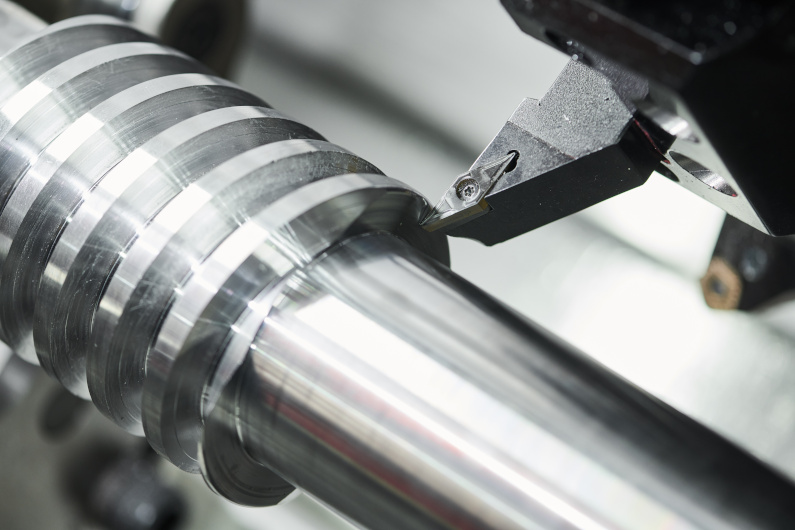
CNC machines remain the workhorses of modern metal fabrication. From CNC plasma and laser cutters to CNC press brakes and mills, these machines interpret digital instructions to perform highly accurate and repeatable operations. Contemporary CNC tools boast faster processing speeds, greater multi-axis capabilities, and enhanced automation features, such as automatic tool changers and robotic loading/unloading systems. These advancements lead to reduced cycle times, higher output quality, and the ability to produce increasingly complex geometries with minimal human intervention. For specialized tasks, a reliable Cnc Machining Service can offer access to these advanced capabilities without the upfront investment.
The Rise of Die-Less Forming: Digital Sheet Forming (DSF) Technology
Perhaps one of the most significant recent innovations in metal forming is Digital Sheet Forming (DSF) technology. Traditionally, forming complex sheet metal parts required expensive and time-consuming dies, molds, and tooling—a major bottleneck for prototyping and low-volume production. DSF eliminates this need entirely. Systems like Figur's G15 CNC Sheet Forming Machine can form sheet metal directly from digital files, operating at impressive speeds of over 1 meter per second with up to 2,000 lbs of force.
This "die-less" approach fundamentally changes the economics and timelines of production. A complex automotive part, such as a Spyker Fender made from Aluminum 6061 (2.3 mm thickness), can be formed in approximately 75 minutes using Figur's system, whereas typical parts are finished in 30-60 minutes. This technology not only reduces tooling costs and lead times but also enables on-demand production, flexible design iterations, and the cost-effective manufacture of unique or customized components.
Additive Manufacturing (3D Printing) for Prototyping and Tooling
While often associated with plastics, additive manufacturing (3D printing) is playing an increasingly important role in metal fabrication. For direct part production, metal 3D printing is becoming viable for specialized components, particularly those with intricate internal geometries or lightweighting requirements. More commonly, 3D printing is used for rapid prototyping of components and, crucially, for producing custom jigs, fixtures, and even some tooling elements. This allows fabricators to quickly iterate on designs and create specialized aids for their traditional processes, further enhancing efficiency and reducing the need for costly, long-lead-time machined tools.
Connecting Machines: The Foundation of the Smart Factory
The true power of modern digital manufacturing tools for metal fabrication lies in their connectivity. The ability to network CNC machines, robotic systems, and inspection equipment creates what is known as a "smart factory." This interconnected environment allows for real-time data exchange, remote monitoring, predictive maintenance, and adaptive production scheduling. Machines can communicate their status, material consumption, and throughput, feeding data back into MES and ERP systems to inform decision-making across the entire operation.
Leveraging AI for Optimized Metal Fabrication Operations
Artificial intelligence (AI) is rapidly moving from theoretical concept to practical application on the shop floor, offering unprecedented levels of optimization in metal fabrication. AI tools analyze vast datasets to identify patterns, predict outcomes, and automate complex decisions, addressing bottlenecks and improving efficiency in ways human analysis alone cannot.
AI in Production Scheduling and Optimization
One of the most challenging aspects of metal fabrication is optimizing production schedules. Factors like machine availability, material delivery, worker skills, and urgent orders create a dynamic puzzle. AI-powered scheduling tools can analyze these variables in real-time, generating optimized production plans that minimize downtime, reduce changeovers, and ensure on-time delivery. These systems can adapt to unexpected disruptions, re-optimizing schedules in minutes, a task that would take hours or days for human planners.
Revolutionizing Quality Control and Inspection with AI
Quality control is paramount in metal fabrication, where defects can lead to significant waste and safety concerns. AI is transforming inspection processes by enabling automated visual inspection systems. Cameras capture high-resolution images of welded joints, surface finishes, or critical dimensions, and AI algorithms analyze these images against established quality criteria. These systems can detect subtle flaws that might be missed by the human eye, providing consistent, objective assessments. For example, some AI systems for quality claim to reduce quality inspector administrative workload by 60-70%, though independent verification of such figures is always prudent. This allows human inspectors to focus on more complex issues and process improvements.
AI for Inventory Management and Supply Chain Forecasting
Managing inventory in metal fabrication—from raw materials like different grades of Steel 1018 or various Alloy Steel to finished parts—is a delicate balancing act. Too much inventory ties up capital; too little risks production delays. AI tools analyze historical data, market trends, and production schedules to forecast demand more accurately. This enables fabricators to optimize stock levels, anticipate material needs, and improve supply chain resilience. AI can also identify potential supply chain disruptions before they occur, allowing proactive adjustments.
Comprehensive AI Manufacturing Platforms vs. Specialized Tools
The market for AI in manufacturing offers both comprehensive platforms and specialized point solutions. Comprehensive platforms aim to integrate various AI applications across the entire production lifecycle, offering a unified interface for multiple optimization tasks. Specialized tools, conversely, focus on solving particular pain points, such as AI for weld inspection or AI for predictive maintenance on specific machinery. The choice between these approaches often depends on the fabricator's existing infrastructure, the specific challenges they face, and their capacity for implementing complex integrated systems. Many shops find success by starting with specialized solutions that address their most critical operational pain points, then gradually expanding their AI footprint.
Integrating Digital Tools: From Design to the Production Floor
The real power of digital manufacturing tools for metal fabrication isn't in individual technologies, but in their seamless integration. A fragmented approach, where systems operate in silos, diminishes potential benefits. The goal is to create a cohesive digital thread that runs from the initial design concept through to the final product.
Building a Seamless Digital Workflow
A truly efficient digital workflow in metal fabrication involves a smooth progression from CAD to CAM and ultimately to automated fabrication.
- Design (CAD): Engineers create precise 3D models of parts.
- Preparation (CAM): These models are imported into CAM software, where toolpaths are generated, and material nesting is optimized.
- Machine Execution: G-code from the CAM software is sent directly to CNC machines (e.g., laser cutters, press brakes, mills), which accurately cut, bend, and form the metal.
- Robotic Automation (Optional): Robots can handle material loading/unloading, welding, or assembly, further automating the process.
- Quality Control: Integrated sensors and AI-powered vision systems monitor production for defects and ensure compliance with specifications.
- Data Feedback: Performance data, machine status, and quality metrics are fed back into MES and ERP systems, closing the loop for continuous improvement.
Key Integration Considerations for Existing Systems (CAD, ERP, MES)
When adopting new digital tools, their ability to integrate with existing software infrastructure is critical. Many metal fabrication shops already use established CAD, ERP, and MES solutions. New digital tools should ideally offer robust APIs (Application Programming Interfaces) or ready-made connectors to facilitate data exchange. Without proper integration, fabricators risk creating new data silos and hindering the flow of information. It's important to recognize that custom API development can be a complex undertaking, sometimes adding 6-12 months to implementation timelines, making off-the-shelf integration capabilities highly desirable.
Overcoming Implementation Challenges: A Phased Approach
Implementing a comprehensive suite of digital manufacturing tools is a significant undertaking. Challenges can include data migration, workforce training, and potential resistance to change. A phased approach is often most effective. Start by identifying a critical pain point and implementing a targeted digital solution. Learn from this experience, refine processes, and then gradually expand to other areas. This iterative strategy minimizes disruption and allows the organization to adapt and build confidence in the new technologies.
Data Management and Connectivity: The Unified Namespace
Effective data management is the bedrock of digital manufacturing. As more machines and systems become connected, the sheer volume of data can be overwhelming. The concept of a unified namespace, as discussed with solutions like UMH Core, becomes indispensable. It provides a standardized, centralized way to collect, store, and access data from all connected devices and software. This "single source of truth" ensures data consistency, simplifies analytics, and provides the necessary foundation for advanced AI applications and real-time operational visibility across the entire factory at www.bingzhen-sh.com.
Selecting and Implementing the Right Digital Manufacturing Solutions
Choosing the right digital manufacturing tools for metal fabrication is not a one-size-fits-all endeavor. It requires careful consideration of a shop's unique needs, resources, and strategic goals.
Assessing Your Shop's Needs and Pain Points
Before investing in any technology, fabricators must clearly define their most pressing operational challenges. Are lead times too long? Is material waste too high? Are quality issues a recurring problem? Is there a struggle to find or retain skilled labor? By pinpointing specific pain points, shops can select tools that offer direct, measurable solutions rather than adopting technology for technology's sake. A thorough assessment of current workflows, machine capabilities, and workforce skills is an essential first step.
Evaluating Open-Source vs. Proprietary Solutions
The choice between open-source and proprietary digital manufacturing tools involves trade-offs. Open-source solutions often offer lower upfront costs, greater customization flexibility, and less vendor lock-in. However, they may require more in-house technical expertise for implementation, support, and maintenance. Proprietary solutions typically come with professional support, more polished user interfaces, and comprehensive feature sets, but often involve higher licensing fees and less control over the underlying code. The decision should balance budget, available technical resources, and the desire for customization and long-term control.
Planning for Training and Workforce Development
The human element is crucial to the success of digital transformation. Implementing new tools requires an investment in training and workforce development. Employees need to understand how to operate new software, interpret data, and maintain advanced machinery. This may involve upskilling existing staff or hiring new talent with specialized digital skills. Forward-thinking companies view training not as an expense, but as an investment in their most valuable asset—their people—ensuring they can effectively leverage the new digital capabilities.
Future Trends in Digital Metal Fabrication (2026 and Beyond)
Looking ahead, the evolution of digital manufacturing in metal fabrication will continue to accelerate. We can expect further advancements in AI, leading to more autonomous operations and sophisticated predictive analytics. The integration of augmented reality (AR) and virtual reality (VR) could offer new ways for workers to interact with machines and designs, providing real-time information overlays or immersive training experiences. The concept of the "self-optimizing factory," where systems continuously learn and adjust to maximize efficiency with minimal human intervention, is steadily becoming a reality. Metal fabricators who embrace these ongoing advancements will be best positioned to thrive in an increasingly competitive and technologically driven global market.
