

Top Surface Finishing Options for Steel Components: Enhancing Corrosion Resistance and Aesthetics (2026 Guide)
Steel, in its raw form, is a remarkably strong and versatile material, yet its inherent properties often leave it vulnerable to the relentless forces of corrosion, wear, and environmental degradation. For those working with or specifying steel components, a fundamental challenge arises: how to extend the lifespan of these vital parts and ensure they maintain their functional integrity and visual appeal over time. The answer lies in the strategic application of steel surface finishing options—processes that transform the exterior of steel, significantly improving its resistance to rust and corrosion while also catering to specific aesthetic requirements. Without these specialized treatments, many steel products would quickly succumb to the elements, compromising their performance and shortening their operational life.
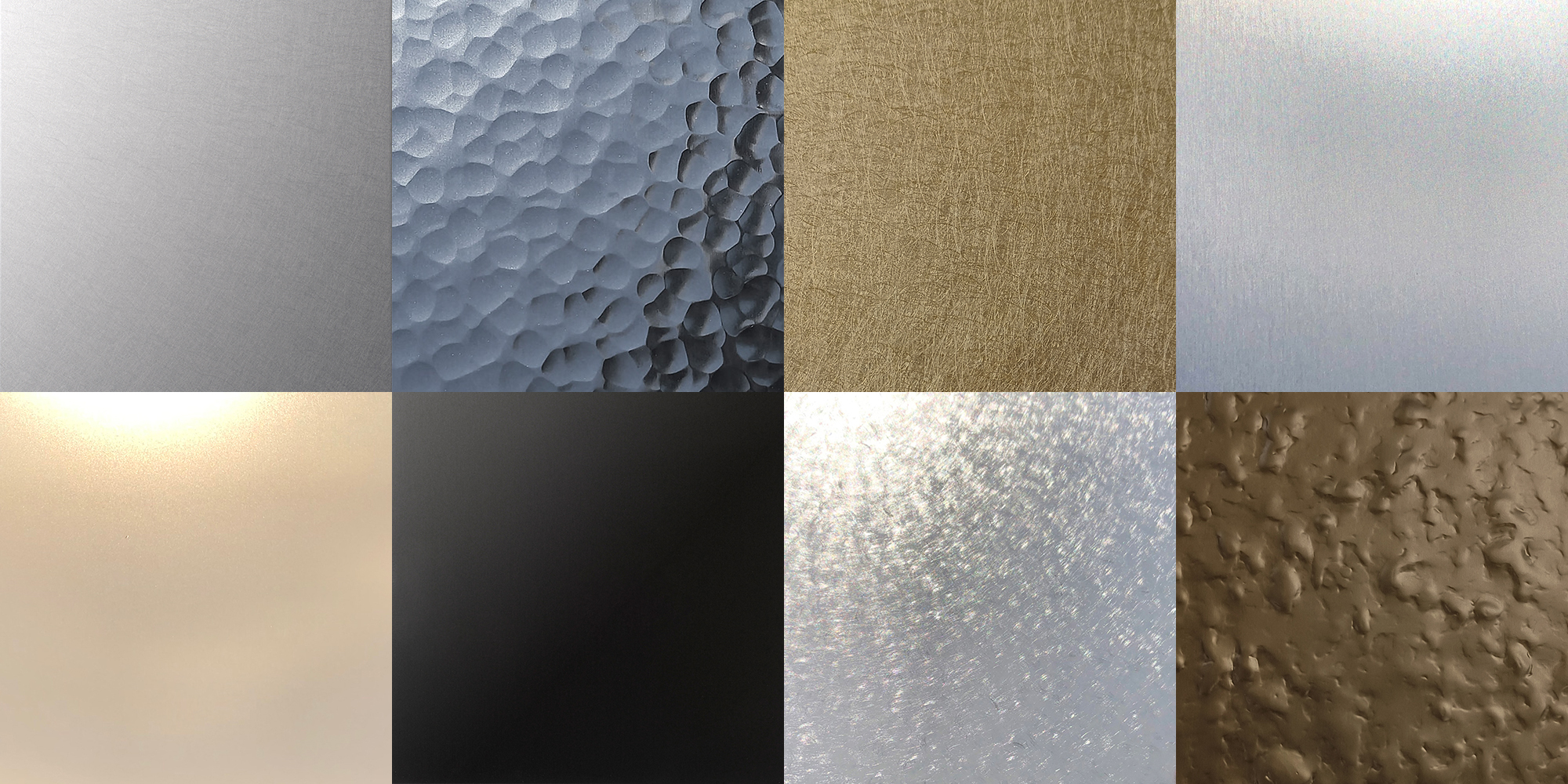
This article delves into the diverse world of steel finishing, exploring the various techniques available as of November 2026, and elucidating how each option contributes to both the longevity and the aesthetic quality of steel components.
The Indispensable Role of Steel Surface Finishing
Surface finishing is not merely an optional enhancement; it is a critical engineering step for nearly all steel products destined for practical applications. The primary motivations behind these processes are multifaceted, extending beyond simple protection.
Why Finishes Matter: Protection, Performance, and Visual Appeal
At its core, surface finishing creates a barrier between the steel substrate and its surrounding environment. This barrier can be physical, chemical, or both, designed to mitigate specific threats. For example, a protective coating can prevent oxygen and moisture from reaching the steel surface, thus halting the oxidation process known as rust. Beyond this fundamental protection, finishes also play a crucial role in the functional performance of a component, influencing factors such as friction, hardness, electrical conductivity, and even biological compatibility. The visual aspect, too, is paramount; a well-chosen finish can elevate a component from a utilitarian piece to an aesthetically pleasing part, critical in consumer goods or architectural applications.
Key Benefits: Corrosion Resistance, Wear Protection, Longevity, Safety
The benefits derived from appropriate steel finishing are extensive:
- Corrosion Resistance: This is arguably the most significant advantage. Steel, especially mild steel and carbon steel, readily rusts when exposed to oxygen and moisture. Finishes like galvanization, plating, or painting create a durable shield that prevents direct contact, dramatically slowing down or entirely preventing corrosion.
- Wear Protection: Many finishes increase the surface hardness of steel, making components more resistant to abrasion, friction, and erosion, thereby extending their service life in dynamic environments.
- Enhanced Longevity: By protecting against corrosion and wear, finishes directly contribute to the overall durability and lifespan of steel components, reducing the need for frequent replacement and maintenance.
- Improved Safety: Finishes can eliminate sharp edges, provide a non-slip surface, or even offer electrical insulation, contributing to the safety of users handling or interacting with the steel product.
Fundamental Categories of Steel Surface Finishing Processes
Industrial surface finishing processes for steel can be broadly categorized based on the method by which they modify the workpiece. Understanding these categories provides a framework for selecting the most appropriate finishing technique.
Additive Finishes: Coatings, Platings, and Layers
Additive processes involve depositing a new material onto the steel surface. This new layer, which can be metallic, organic, or ceramic, imparts new properties without altering the bulk material of the steel component.
- Coatings: These typically involve applying a liquid or powder substance that then cures or solidifies to form a protective film. Examples include paints, varnishes, and powder coatings.
- Platings: This refers to depositing a thin layer of metal (such as zinc, nickel, chromium, or cadmium) onto the steel surface, often through electrochemical or electroless processes. This metallic layer provides specific properties like enhanced corrosion resistance, hardness, or conductivity.
Subtractive Finishes: Polishing, Blasting, and Surface Alteration
Subtractive processes involve removing material from the steel surface to achieve a desired texture, smoothness, or cleanliness. These methods are often used for aesthetic purposes, to prepare a surface for another finish, or to improve hygiene and cleanability.
- Polishing: Mechanical polishing uses abrasives to progressively smooth the surface, removing imperfections and achieving a desired level of reflectivity.
- Blasting: Techniques like sandblasting or bead blasting propel abrasive media at high velocity onto the steel surface to clean it, create a matte finish, or induce surface hardening.
Chemical and Electrochemical Treatments
These processes involve chemical reactions on the steel surface, altering its composition or creating a conversion layer.
- Chemical Conversion Coatings: These treatments react with the steel surface to form an integrated, inert layer. Phosphate coating is a common example, offering a base for further painting.
- Electrochemical Treatments: Electropolishing uses an electric current and a chemical electrolyte to remove microscopic layers of material, smoothing and brightening the surface, especially effective for stainless steel.
Mechanical Surface Treatments
Mechanical treatments involve physical deformation or alteration of the surface without adding or removing material in a significant way.
- Brushing: Using abrasive brushes to create a uniform directional texture.
- Honing: An abrasive machining process that produces a precision surface on a workpiece.
Tailoring Finishes to Specific Steel Types
The effectiveness and suitability of a surface finish are highly dependent on the type of steel component being treated. Different steel alloys possess distinct characteristics that dictate which finishing options will be most successful.
Stainless Steel
Known for its inherent corrosion resistance due to a self-repairing chromium oxide film, stainless steel often undergoes finishes primarily for aesthetic purposes, to improve cleanliness, or to further enhance resistance in extreme environments.
- Mill Finishes: These are the default surface conditions of stainless steel sheets or plates as supplied by the mill. According to the European Standard EN 10088 Part 2, these include:
- 1D: Hot rolled and annealed, descaled. It has a coarse, low reflectivity, and is typically used for non-decorative purposes.
- 2D: Cold rolled, heat treated, and pickled. This finish results in a low reflective matte surface, ideal for industrial and engineering applications.
- 2B: Produced similarly to 2D but with a final light rolling pass using polished rolls. This creates a smooth, reflective, grey sheen and is the most widely used mill finish.
- 2R (Bright Annealed): Achieved by bright annealing under oxygen-free conditions after cold rolling, yielding a highly reflective, ultra-smooth surface that inherently resists airborne contaminants and moisture.
- Mechanical Finishes: Brushing and polishing are common. For a mechanically polished 2K finish on stainless steel, a surface roughness (R_a) of 0.5 microns maximum is specified, ensuring a high level of smoothness. Bead blasting can provide a uniform matte appearance and remove blemishes.
- Chemical and Specialty Finishes: Electropolishing is highly effective for stainless steel, smoothing the microscopic surface and enhancing passivity. Coloring and organic coatings are also used for specific aesthetic or functional requirements.
Galvanized Steel
Galvanized steel features a protective zinc layer applied through hot-dipping or electrogalvanization, offering excellent corrosion resistance. For further enhancement or aesthetic purposes, additional finishes are common.
- Coatings: Paint, electroplate coatings, and powder coatings are frequently applied over galvanized steel to maintain its protective zinc layer while adding color and an extra barrier against harsh weather.
- Important Consideration: Acidic solutions or abrasive methods like sandblasting should generally be avoided on galvanized steel, as they can damage or remove the crucial zinc layer, compromising its corrosion resistance.
Carbon Steel
Carbon steel, including types like Steel 1018 or other alloy steel variants, is highly susceptible to rust without proper protection. Finishing is therefore critical for its longevity.
- Rust Prevention: Often, carbon steel is initially protected with a thin layer of oil or wax for temporary protection, followed by more permanent protective coats.
- Paints and Coatings: Various paints, enamels, and polymer coatings are extensively used to provide a barrier against corrosion and to offer aesthetic variety.
- Hot-Dipped Galvanization: For superior and long-lasting protection, especially in outdoor or harsh environments, hot-dipped galvanization is a highly effective option, providing a robust zinc layer.
Hot-Dipped Steel
This refers to steel that has undergone the hot-dipping process, typically with zinc (hot-dipped galvanized steel). It inherently possesses a thicker, more even zinc layer compared to electrogalvanized steel, offering superior protection against severe weather conditions.
- Aesthetics and Further Protection: To enhance its visual appeal or provide additional weather resistance, painting or powder coating are common subsequent finishes. These coatings adhere well to the properly prepared galvanized surface, creating a dual-layer protection system.
Popular Surface Finishing Techniques for Steel Components
A closer look at some of the most prevalent and effective steel surface finishing options reveals the breadth of choices available for engineers and designers.
Electroplating and Electroless Plating
Electroplating (Electrodeposition): This process uses an electric current to reduce dissolved metal cations so that they form a coherent metal coating on an electrode. Common plating metals for steel include:
- Zinc Plating: Highly effective for corrosion protection (sacrificial protection), often followed by chromate conversion coatings for added durability and varied aesthetics (clear, yellow, black).
- Nickel Plating: Provides excellent hardness, wear resistance, and a bright, attractive finish. Can be decorative or functional.
- Chromium Plating: Known for its hard, wear-resistant, and aesthetically pleasing bright finish. Often applied over nickel.
Electroless Plating: This chemical process deposits a metal coating without the use of an external power source. It offers superior throwing power, resulting in a uniform coating thickness on complex geometries. Electroless nickel plating is particularly common, offering exceptional hardness and corrosion resistance, often comparable to or exceeding electroplated nickel.
Powder Coating and Painting
Powder Coating: This is a dry finishing process where finely ground particles of pigment and resin are electrostatically charged and sprayed onto a grounded steel component. The part is then cured under heat, causing the powder to melt and flow into a smooth, durable coating.
- Benefits: Excellent corrosion resistance, high durability, chip resistance, wide range of colors and textures, and an environmentally friendly process with low VOC emissions.
- Applications: Automotive parts, outdoor furniture, architectural elements, appliances.
Painting: A more traditional wet coating application where liquid paint is applied and then allowed to dry and cure.
- Benefits: Versatility in application, color matching, and relatively lower initial setup costs. Can be applied in multiple layers (primers, base coats, topcoats) for enhanced performance.
- Applications: Structural steel, machinery, large components.
Abrasive Blasting (Bead Blasting, Sandblasting)
These subtractive processes involve propelling abrasive media at high velocity onto the steel surface.
- Purpose: Cleaning, descaling, deburring, creating a matte finish, improving paint adhesion, or inducing compressive stress for fatigue resistance.
- Bead Blasting: Uses glass beads, resulting in a smooth, bright satin or matte finish without significant material removal. Ideal for aesthetic finishes and preparing surfaces without aggressive abrasion.
- Sandblasting (Grit Blasting): Uses angular abrasive media (like silica sand, aluminum oxide, or steel grit) to create a rougher surface profile, excellent for aggressive cleaning and preparing surfaces for thick coatings that require strong mechanical adhesion.
Electropolishing and Buff Polishing
Electropolishing: An electrochemical process that selectively removes metal from the surface, typically used on stainless steel. It smooths, brightens, and passivates the surface, enhancing corrosion resistance and creating a sterile, easy-to-clean finish.
- Benefits: Improved corrosion resistance, increased surface cleanliness, deburring, aesthetic brilliance, and reduced surface friction.
Buff Polishing: A mechanical process using a buffing wheel and abrasive compounds to achieve a high-gloss, mirror-like finish. This is purely for aesthetic enhancement and does not inherently add corrosion resistance, though a smooth surface can be easier to clean.
Phosphate Coating and Other Chemical Conversion Coatings
Phosphate Coating: A chemical treatment that converts the steel surface into a layer of insoluble crystalline phosphates (e.g., zinc phosphate, iron phosphate, manganese phosphate).
- Purpose: Provides an excellent base for paint, powder coating, or oil, significantly improving adhesion and offering a degree of temporary corrosion resistance. Often used as a pre-treatment before painting for carbon steel components.
- Benefits: Enhances adhesion, provides mild corrosion protection, and reduces friction.
Choosing the Optimal Steel Finish for Your Project Needs
The decision of which surface finish to apply to steel components is a complex one, requiring careful consideration of several interconnected factors. There is no single "best" option; rather, the optimal choice is always contextual.
Evaluating Environmental Demands and Performance Requirements
The environment in which the steel component will operate is paramount. Will it be exposed to:
- Moisture or Saltwater? (Requires high corrosion resistance, e.g., galvanization, robust plating, marine-grade coatings).
- Harsh Chemicals? (Specific chemical-resistant coatings or materials like stainless steel with electropolishing).
- High Temperatures? (Heat-resistant coatings or specific plating types).
- Abrasive Conditions? (Hard plating like chromium, specialized wear-resistant coatings).
- UV Radiation? (UV-stable powder coatings or paints to prevent fading and degradation).
Beyond environmental factors, specific performance requirements must be met:
- Electrical Conductivity or Insulation? (Certain platings enhance conductivity; polymer coatings insulate).
- Friction Reduction? (Electropolishing, some specialized coatings).
- Sterility or Cleanability? (Electropolishing for medical or food-grade stainless steel).
Aesthetics, Budget, and Application Considerations
- Aesthetics: What visual appearance is desired? A high-gloss, a matte finish, a specific color, or a textured look? The choice between polished stainless steel, a vibrant powder coat, or a utilitarian zinc plating will dictate the visual outcome.
- Budget: Different finishing processes have varying costs, both for materials and labor. Hot-dip galvanization, for example, can be more expensive upfront than painting but offers a longer lifespan, potentially reducing long-term costs. As of November 2026, surcharges for strip steel and wire are updated monthly, and quarterly price adjusters are available for special metals for Q4 2026, highlighting the dynamic nature of material and process costs.
- Application Method: Can the component be easily dipped, sprayed, or plated? The size, geometry, and material of the part influence the feasibility of certain finishing techniques.
Understanding Industry Standards and Specifications
Adhering to relevant industry standards (e.g., ASTM, ISO, or the European Standard EN 10088 Part 2 for stainless steel mill finishes) is crucial to ensure quality, performance, and compliance. These standards often specify minimum coating thicknesses, test methods, and acceptable finish characteristics. Consulting these standards helps in defining clear specifications for the chosen finish.
Here's a comparative overview of some common steel surface finishing options:
| Finishing Option | Primary Benefit | Aesthetic | Typical Application | Corrosion Resistance Level |
|---|---|---|---|---|
| Zinc Plating | Sacrificial corrosion protection | Bright, clear, yellow, or black sheen | Fasteners, brackets, automotive components | Good to Very Good |
| Powder Coating | Durable barrier, aesthetics | Wide range of colors, textures | Outdoor furniture, automotive parts, appliances, railings | Very Good to Excellent |
| Electropolishing | Enhanced corrosion, cleanliness | Bright, mirror-like finish | Medical instruments, food processing, pharmaceutical tanks | Excellent (for stainless) |
| Phosphate Coating | Paint adhesion, mild protection | Dull grey or black matte | Automotive parts, tools, components for painting | Fair (as pre-treatment) |
| Hot-Dip Galvanizing | Long-term corrosion protection | Crystalline "spangle" pattern | Structural steel, outdoor equipment, guardrails | Excellent |
Future Trends and Innovations in Steel Surface Finishing (2026 Outlook)
The field of surface finishing is continuously evolving, driven by demands for enhanced performance, greater sustainability, and more cost-effective solutions. As of 2026, research and development continue to focus on:
- Advanced Nanocoatings: Developing coatings at the nanoscale to provide superior corrosion, wear, and self-healing properties with minimal material use.
- Environmentally Friendly Processes: Shifting away from hexavalent chromium and other hazardous chemicals towards more benign alternatives in plating and conversion coatings, in line with stricter environmental regulations.
- Smart Coatings: Integrating sensors or adaptive functionalities into coatings that can change properties in response to environmental stimuli (e.g., self-healing when scratched, color change to indicate corrosion).
- Improved Adhesion Technologies: Developing better surface preparation and primer technologies to ensure stronger and more durable bonds between the steel substrate and various coatings, particularly for challenging applications.
- Automation and AI in Quality Control: Utilizing advanced robotics and artificial intelligence for more consistent application, precise thickness control, and rapid defect detection in finishing lines.
Choosing the right surface finish for steel components is a critical engineering decision that profoundly impacts the product's lifespan, performance, and appearance. By understanding the different categories of finishing processes, considering the specific characteristics of various steel types, and carefully evaluating environmental and aesthetic requirements, you can make an informed choice. To further deepen your understanding, exploring specific industry standards relevant to your application or consulting with finishing specialists for detailed material and process specifications would be beneficial.
