
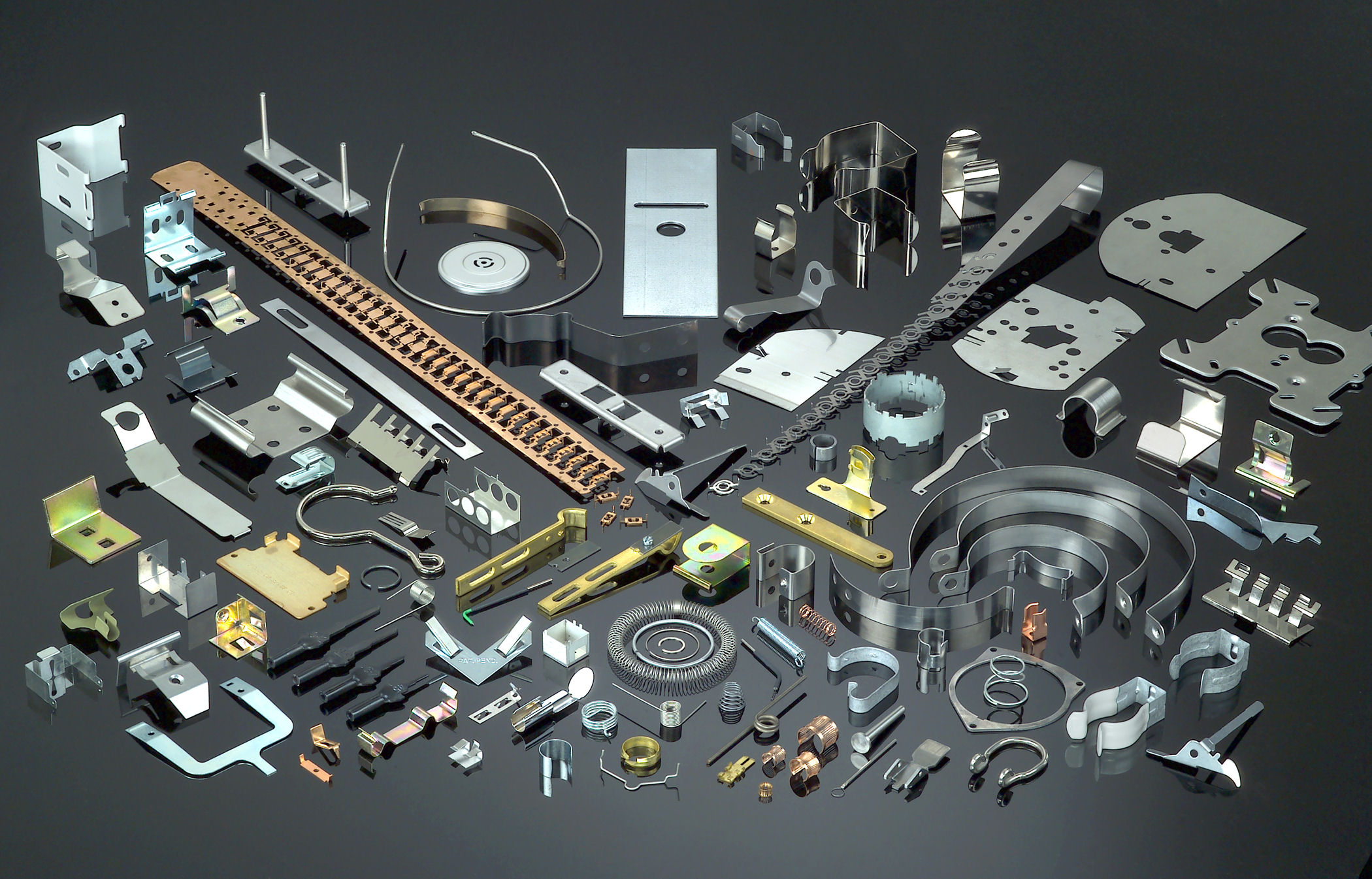
Selecting Optimal Metal Stamping Die Materials: Enhancing Durability and Performance in 2026
When facing the intricate world of metal stamping, manufacturers often encounter a critical dilemma: how does one choose the ideal die material to ensure both the longevity of the tooling and the precision of the stamped components? The selection of appropriate metal stamping die materials is not merely a technical specification; it is a foundational decision that profoundly impacts production efficiency, part quality, and overall operational costs. A mismatch between the die material and the stamping application can lead to premature wear, frequent downtime for repairs or replacement, and compromised product integrity. This article explores the principles and practical considerations behind selecting die materials, focusing on optimizing their durability and performance for today's manufacturing demands.
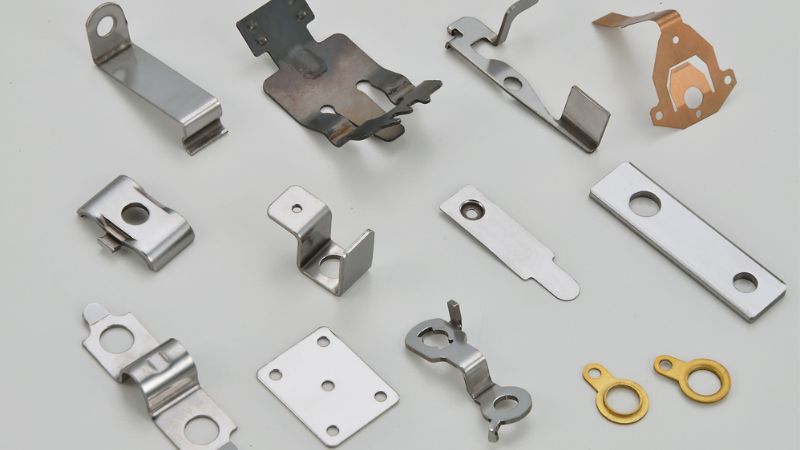
The Foundational Role of Die Materials in Metal Stamping
Metal stamping is a transformative manufacturing process where sheet metal is shaped into desired forms using a die and punch. The die, a precisely engineered tool, is the heart of this operation, defining the geometry and characteristics of the final product. Given the immense forces, repetitive impacts, and abrasive contact involved, the material from which a die is constructed must possess specific properties to withstand these rigorous conditions.
The primary function of metal stamping die materials is to resist wear, deformation, and fatigue throughout countless stamping cycles. Without the correct material, a die's edges can dull quickly, its surfaces can pit or gall, and its structural integrity can diminish, leading to inconsistent part dimensions and eventual failure. Therefore, understanding the interplay between the stamping process, the material being stamped, and the characteristics of various die materials is paramount to achieving durable tooling and high-performance production.
Core Considerations for Die Material Selection
The choice of die material is rarely straightforward; it involves a complex evaluation of several interdependent factors. Neglecting any one of these can lead to suboptimal performance and increased operational expenses.
Impact of the Workpiece Material
One of the most significant factors influencing die material selection is the nature of the metal being stamped. Different workpiece materials exhibit varying degrees of strength, ductility, and abrasiveness, all of which directly affect the wear and stress on the die. For instance, stamping highly abrasive materials like certain grades of stainless steel demands a die material with exceptional wear resistance. Conversely, forming more ductile materials might prioritize toughness in the die to prevent chipping or cracking. According to research, the characteristics of the metal being stamped, such as its strength, corrosion resistance, and flexibility, directly impact the wear and tear on the die and dictate the required properties of the die material.
Production Volume and Required Precision
The expected production volume is another crucial determinant. For prototyping or very low-volume runs, a less expensive, more easily machinable die material might be acceptable, even if its lifespan is limited. However, for high-volume production, the initial investment in a superior, more durable die material quickly pays off through reduced downtime for maintenance and replacement, as well as consistent part quality over millions of cycles. Similarly, applications requiring extremely tight tolerances and high precision will necessitate die materials that maintain their dimensional stability and sharp cutting edges over time, resisting deformation even under intense pressure.
Part Complexity and Stamping Operation Type
The complexity of the stamped part and the specific type of stamping operation also guide material choice. Operations like simple blanking or piercing might use different die materials than complex deep drawing, coining, or progressive die setups. Deep drawing, for example, involves significant material flow and friction, requiring die materials that are not only hard but also have good lubricity or can accept surface treatments to reduce galling. The overall design and geometry of the die, including sharp corners or intricate features, also influence the demand for specific material properties like machinability and toughness.
Understanding Common Metal Stamping Die Materials and Their Properties
A diverse range of materials is employed for stamping dies, each offering a unique balance of hardness, toughness, wear resistance, and machinability. Selecting the right one often involves a trade-off tailored to the application's specific needs. To address the fundamental question of "metal stamping die materials list," the industry primarily relies on various grades of tool steel and, for the most demanding applications, carbides.
Mild Steel and Carbon Steel
For very low-volume production, prototypes, or less critical tooling components, mild steel or basic carbon steel can be used. Materials like Steel 1018 offer good machinability and are cost-effective but lack the wear resistance and hardness required for extended production runs. They are suitable where the initial cost is the primary concern and die lifespan is secondary.
Hardened Tool Steels
The vast majority of stamping dies are made from various grades of tool steel. These alloy steels are engineered for exceptional hardness, wear resistance, and toughness, often achieved through specific heat treatment processes. Some of the most common categories and grades include:
-
Cold Work Tool Steels (e.g., D2, A2, O1):
- D2 Tool Steel: A high-carbon, high-chromium tool steel renowned for its excellent wear resistance due to large volumes of hard carbides in its microstructure. It maintains its hardness after heat treatment and is widely used for blanking, forming, and trimming dies for medium to high-volume production of abrasive materials. Its toughness is moderate.
- A2 Tool Steel: An air-hardening, medium-alloy tool steel that offers a good balance of wear resistance and toughness. It's more forgiving than D2, with less distortion during heat treatment, making it suitable for larger or more complex dies where dimensional stability is crucial. It performs well in general-purpose stamping applications.
- O1 Tool Steel: An oil-hardening tool steel known for its good wear resistance and ease of heat treatment. It's a versatile choice for dies requiring consistent hardening and minimal distortion, often used for smaller, intricate dies and general tooling. Its toughness is generally higher than D2 but lower than A2.
-
High-Speed Steels (e.g., M2, M4): While primarily known for cutting tools, some high-speed steels are used for stamping dies, especially where frictional heat buildup is a concern or where improved toughness and impact resistance are needed compared to cold work steels. They offer excellent hot hardness and wear resistance.
-
Hot Work Tool Steels (e.g., H13): Designed to retain hardness and strength at elevated temperatures, H13 is primarily used for hot stamping or extrusion dies. However, its excellent toughness and resistance to thermal fatigue make it a choice for some demanding cold stamping applications where high impact and resistance to cracking are critical.
Carbides (e.g., Tungsten Carbide)
For the absolute highest production volumes and applications involving extremely abrasive materials, carbides, particularly tungsten carbide, are often the material of choice. Carbides offer unparalleled hardness and wear resistance, significantly extending die life compared to even the best tool steels. However, they are also significantly more brittle, more expensive, and more challenging to machine, requiring specialized grinding techniques. They are typically used for inserts in die sections most prone to wear, such as cutting edges or critical forming surfaces.
The following table provides a general comparison of common die materials:
| Material Type | Typical Application | Relative Hardness | Relative Wear Resistance | Relative Toughness | Cost (Relative) | Notes |
|---|---|---|---|---|---|---|
| Mild/Carbon Steel | Prototypes, low volume | Low | Low | High | Low | Easy to machine, low lifespan |
| O1 Tool Steel | General purpose, small dies | Medium-High | Medium-High | Medium | Medium | Oil-hardening, good dimensional stability |
| A2 Tool Steel | General purpose, large dies | High | High | Medium-High | Medium-High | Air-hardening, good balance of properties |
| D2 Tool Steel | High volume, abrasive materials | Very High | Very High | Medium | High | Excellent wear resistance, moderate toughness |
| H13 Tool Steel | High impact, some hot work | High | High | Very High | High | Good hot hardness, resistant to cracking |
| Tungsten Carbide | Extremely high volume, abrasive | Extreme | Extreme | Low | Very High | Longest life, but brittle and expensive |
Advanced Surface Treatments and Coatings
Beyond the base material, various surface treatments and coatings can significantly enhance die durability and performance. These include:
- Nitriding: A thermochemical process that diffuses nitrogen into the surface of tool steels, creating a hard, wear-resistant layer. It improves fatigue strength and reduces friction.
- Physical Vapor Deposition (PVD) Coatings (e.g., TiN, TiCN, AlTiN): These thin, hard ceramic coatings are applied at relatively low temperatures, preserving the base material's properties. They dramatically increase surface hardness, wear resistance, and reduce friction, preventing galling and sticking.
- Chemical Vapor Deposition (CVD) Coatings: Applied at higher temperatures than PVD, CVD coatings like TiC or TiN offer even greater hardness and wear resistance, particularly suitable for carbide dies or for components that can withstand higher processing temperatures.
These treatments can extend die life by factors of two to five times, depending on the application, making them a valuable consideration for optimizing performance.
The Critical Interplay: Workpiece Metal and Die Performance
The performance of a stamping die is inextricably linked to the characteristics of the metal being stamped. For example, forming stainless steel, known for its high strength and work-hardening properties, imparts significant stress and abrasion on the die. In such cases, a die made from D2 tool steel or even carbide, potentially enhanced with PVD coatings, would be selected to resist the aggressive wear.
Conversely, stamping aluminum, while lighter and more ductile, can present challenges related to galling – the adhesion of workpiece material to the die surface. For aluminum, die materials with good inherent lubricity or those treated with friction-reducing coatings (like TiCN) are preferred to ensure smooth material flow and prevent surface defects on the stamped part. Similarly, stamping copper or brass, valued for their superior conductivity and thermal properties, may still require dies with good wear resistance, although perhaps not as extreme as for stainless steel, depending on the alloy's hardness. The goal is always to match the die's resistance properties to the specific challenges posed by the workpiece material.
Precision in Die Manufacturing: From Design to Performance
Even the most advanced die material will underperform without meticulous design and manufacturing. The process typically begins with 3D modeling, allowing engineers to simulate material flow and optimize die geometry. A critical aspect of die design is incorporating an offset between the positive and negative dies. This offset is precisely equal to the sheet metal's thickness, ensuring that the material is formed rather than cut, which is fundamental to successful stamping. For instance, for a 0.019-inch aluminum sheet, the die would be designed with a corresponding gap.
Once designed, dies are often manufactured using advanced techniques like 3-axis CNC milling. This allows for the precise creation of complex contours and features required for intricate parts. The precision of the machining process directly translates to the accuracy and quality of the stamped parts. For example, a small die might take approximately 45-60 minutes per side to machine on a 3-axis Haas CNC mill. Following machining, heat treatment processes are carefully controlled to achieve the desired hardness and toughness, transforming the raw material into a robust tool. Rigorous quality control measures, including dimensional inspections and surface finish analysis, are then employed to ensure the die meets all specifications before it is put into production.
Advancing Die Longevity and Performance for Future Stamping Operations
Optimizing the selection of metal stamping die materials is an ongoing endeavor that balances initial investment with long-term performance. The best practices emphasize a holistic approach, considering the workpiece material, production volume, part complexity, and the specific demands of the stamping operation. By carefully evaluating these factors, manufacturers can choose die materials, and integrate surface treatments, that maximize durability, minimize downtime, and ensure consistent product quality.
As materials science continues to evolve, new alloys and coating technologies are constantly emerging, promising even greater improvements in wear resistance, toughness, and frictional properties. Exploring these advancements and continuously evaluating their applicability to specific stamping challenges will be key for manufacturers aiming to push the boundaries of efficiency and performance in their operations. Further investigation into detailed cost-benefit analyses of different die materials and the impact of specific stamping parameters (such as speed and lubrication) on die longevity can provide even deeper insights for future optimization. For more general information about various materials, you can visit Materials.
