
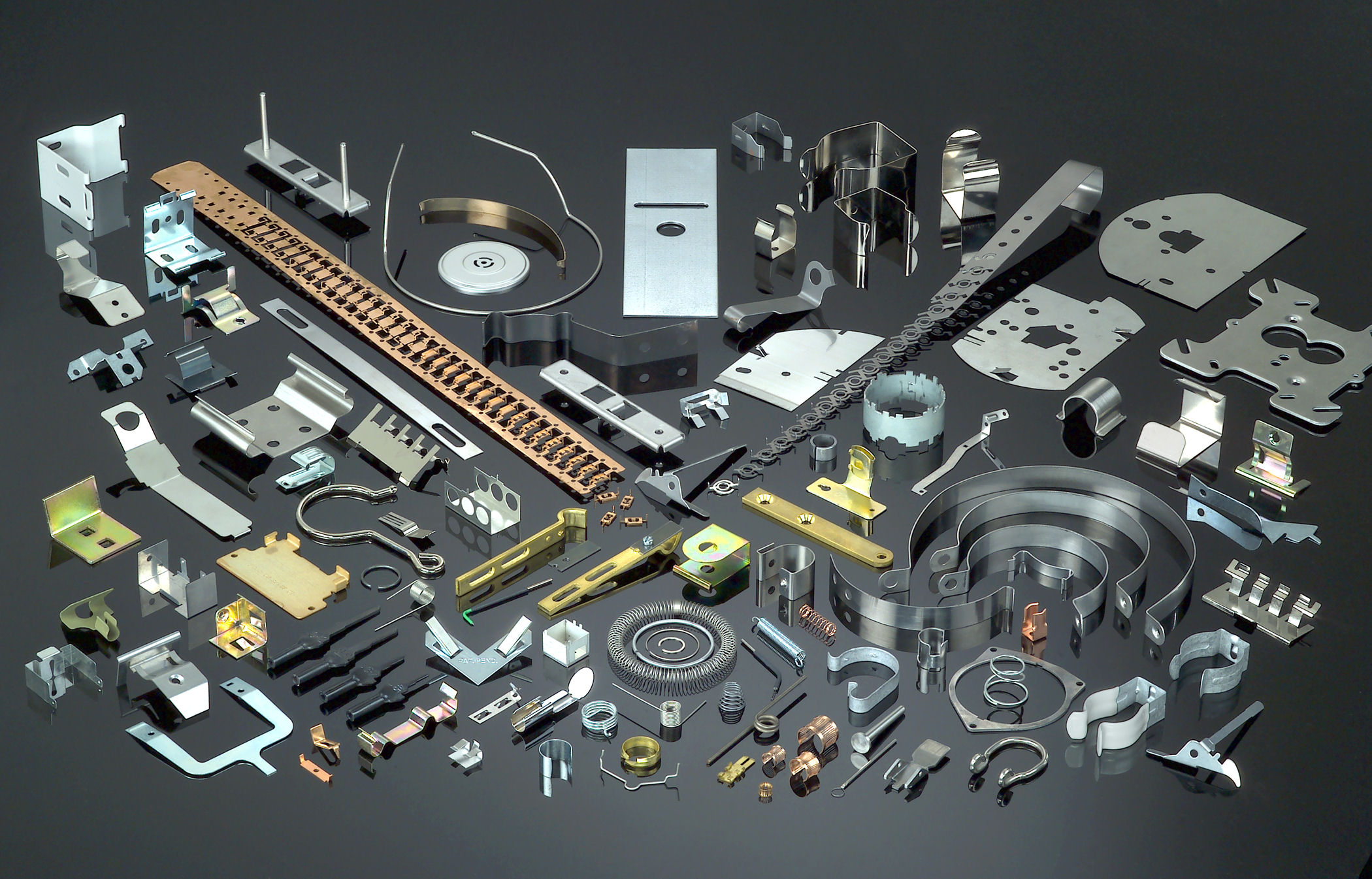
Optimizing Material Flow and Logistics in High-Volume Metal Stamping Operations: A 2026 Guide
In high-volume manufacturing, particularly within metal stamping operations, the smooth, uninterrupted movement of materials is not merely an operational detail—it is the bedrock of productivity, cost efficiency, and consistent quality. Many manufacturers grapple with the inherent complexities of managing raw material intake, work-in-progress movement, and finished goods dispatch across vast facilities, often under intense production schedules. A failure to optimize high-volume metal stamping logistics can lead to bottlenecks, increased inventory costs, production delays, and compromised output, directly impacting profitability and market competitiveness. Understanding and strategically addressing these material flow dynamics is essential for any operation aiming to thrive in demanding industrial sectors as of late 2026.
This article delves into the principles and practical strategies for streamlining material flow and logistics, aiming to clarify the mechanisms that underpin efficient large-scale metal stamping.
The Foundation of High-Volume Efficiency: Understanding Core Principles
High-volume metal stamping is characterized by the production of a substantial quantity of parts, typically ranging from tens of thousands to well over a million pieces per year. This scale demands not only robust production machinery but also a finely tuned logistical framework.
What Defines High-Volume Metal Stamping?
At its core, high-volume metal stamping focuses on producing a vast number of identical or near-identical metal components. This specialization allows for significant economies of scale, making per-piece costs remarkably low once initial tooling investments are amortized. Such operations are critical suppliers for industries requiring a constant, reliable supply of parts, including automotive, aerospace, electronics, and appliance manufacturing.
Precision Through Progressive Die Stamping
A cornerstone technique for achieving high volumes efficiently is progressive die stamping. This method utilizes a single die assembly that performs multiple operations sequentially as the metal strip progresses through various stations within the press. Each stroke of the press completes a set of operations, and as the strip moves forward, a finished part is created with each subsequent stroke. This continuous process significantly reduces handling, minimizes cycle times, and provides a highly repeatable output. For operations focused on high-volume production, progressive die stamping offers advantages such as the lowest per-piece cost over time, consistent part accuracy, and efficient turnaround, delivering an excellent return on investment for the specialized tooling required.
The Inherent Material Flow Challenges
Operating at high volumes introduces a unique set of material flow challenges. Managing vast quantities of raw material coils, ensuring timely delivery to multiple presses, handling work-in-progress (WIP) between stages (if secondary operations are needed), and efficiently packaging and shipping finished goods all require meticulous planning. Common obstacles include:
- Tool Wear Management: Continuous operation at high speeds can lead to rapid tool wear, necessitating proactive maintenance schedules to prevent unexpected downtime and material flow disruption.
- Consistent Quality Assurance: Maintaining uniform quality across millions of parts requires robust in-process checks and precise material handling to avoid damage or contamination.
- Optimizing Run Scheduling: Balancing diverse product orders, material availability, and press capacity to maintain an even flow of production and minimize idle time.
- Supply Chain Vulnerabilities: Disruptions in raw material supply or outbound logistics can cascade rapidly, affecting entire production lines and delivery commitments.
- Inventory Management: Striking the right balance between having enough material to prevent stoppages and avoiding excessive inventory holding costs and space requirements.
Strategic Pillars for Streamlined Material Flow and Logistics
Effective management of high-volume metal stamping logistics relies on a strategic approach that integrates various operational and planning elements.
Integrated Manufacturing: A Holistic Approach
Many leading high-volume metal stampers benefit from a vertically integrated approach, offering a comprehensive suite of manufacturing services beyond just stamping. This might include in-house fabrication, machining, and assembly capabilities. By keeping these processes under one roof, or at least under tightly coordinated management, companies can significantly streamline material flow. This integration minimizes the need for external transport between different manufacturing stages, reducing lead times, mitigating transit damage, and enhancing overall project control and responsiveness. For instance, if a stamped part requires subsequent machining, performing both operations internally removes an entire layer of external logistics complexity.
The Role of Robust Tooling and Maintenance
While often viewed as purely a production concern, tooling directly impacts material flow and logistics. Precision tooling, especially for progressive dies, is crucial for sustained high-volume output. Regular, predictive maintenance programs for stamping dies ensure consistent part quality and prevent unexpected breakdowns that halt production and backlog material flow. Investing in high-quality tool steels and implementing effective tool care protocols minimizes downtime, ensuring that materials move continuously through the presses as planned.
Applying Lean Methodologies to Logistics
Lean manufacturing principles, originally developed to reduce waste and improve efficiency in production, are highly transferable to logistics and material flow. Key methodologies include:
- Value Stream Mapping (VSM): Visually charting the entire material and information flow, from raw material to finished product, to identify non-value-added steps and bottlenecks.
- Just-In-Time (JIT): Coordinating material deliveries to arrive precisely when needed for production, reducing inventory holding costs and eliminating excess storage space. This requires highly reliable suppliers and precise scheduling.
- Kanban Systems: Implementing pull-based inventory control where material is only replenished when consumed, signaling demand upstream and preventing overproduction.
- Continuous Improvement (Kaizen): Fostering a culture where every team member is encouraged to identify and implement small, incremental improvements to material handling, storage, and movement processes.
By meticulously analyzing and optimizing every step, from how raw materials are received and stored to how finished components are loaded for dispatch, operations can significantly enhance efficiency.
Enhancing Supply Chain Reliability in High-Volume Metal Stamping Logistics
For high-volume operations, an unreliable supply chain can be catastrophic. Strategic choices regarding sourcing and quality assurance are paramount.
Mitigating Risks: The Value of Domestic Sourcing
While global supply chains can offer perceived cost advantages, they introduce significant logistical complexities and risks, particularly for high-volume, time-sensitive components. The challenges of offshoring include:
- Difficulty in Quality Resolution: Remotely resolving quality issues can be protracted and costly due to distance, time zone differences, and communication barriers.
- International Shipping Complications: Customs delays, unpredictable shipping schedules, and fluctuating freight costs can disrupt material flow and inflate total costs.
- Exposure to Market Volatility: Tariffs, currency fluctuations, and geopolitical events can introduce significant cost instability.
Conversely, engaging with U.S.-based manufacturers and suppliers can offer advantages that directly enhance logistics stability. These include reduced lead times, more agile responsiveness to demand changes, stable cost structures insulated from international tariffs, and simplified communication for faster problem resolution. When considering the overall total cost of ownership, domestic sourcing often presents a more reliable and predictable high-volume metal stamping logistics solution.
Quality Assurance: A Non-Negotiable Component
Consistent quality is not just about the final product; it's fundamental to efficient material flow. Defective parts halt production, require rework or scrap, and disrupt the entire logistical chain. Robust quality management systems, such as adherence to ISO 9001:2015 certification, are essential. These systems ensure that processes are documented, controlled, and continuously improved, leading to predictable quality. Furthermore, implementing in-process quality checks and investing in advanced inspection technologies can identify issues early, preventing large batches of defective parts from clogging the production line and requiring costly re-sorting or disposal logistics.
Selecting Optimal Materials for Flow
The choice of material significantly impacts both the stamping process and subsequent logistics. Different alloys possess unique properties that affect formability, tool life, and even packaging requirements. High-volume operations commonly utilize a wide range of materials, including various grades of aluminum, copper, stainless steel, and both cold-rolled and hot-rolled steels. For instance, common engineering materials like A1018 Steel offer excellent weldability and machinability, impacting how the material moves through fabrication steps. Similarly, understanding the characteristics of various Alloy Steel types is critical. The optimal material selection must balance mechanical properties with cost-effectiveness and ease of processing, directly influencing how efficiently it can be stamped, transported, and stored. Further exploration of specific Materials is often beneficial to fine-tune material selection for specific applications.
Leveraging Technology for Advanced Material Flow Management
The future of high-volume logistics is inextricably linked to technology, offering unprecedented levels of control and insight.
Automation Beyond the Press
While stamping presses themselves are highly automated, the material handling surrounding them often presents opportunities for further optimization. Robotic arms can load and unload materials, transfer parts between stations, and stack finished components. Automated Guided Vehicles (AGVs) or Autonomous Mobile Robots (AMRs) can transport raw materials, WIP, and finished goods across the plant floor, reducing manual labor, improving safety, and ensuring consistent delivery cycles. This automation minimizes human error and reduces cycle variability, contributing to a more predictable material flow.
Real-time Tracking and Data-Driven Decisions
Advanced Manufacturing Execution Systems (MES) and Warehouse Management Systems (WMS) integrated with Enterprise Resource Planning (ERP) software provide a comprehensive overview of material flow. IoT sensors can track the location of materials and components in real-time, providing crucial data on inventory levels, bottlenecks, and movement patterns. This data empowers managers to make informed, data-driven decisions, optimize scheduling dynamically, and proactively address potential disruptions before they impact production. Predictive analytics can even forecast demand and anticipate maintenance needs, further enhancing logistical foresight.
Just-In-Time (JIT) Material Delivery
For high-volume metal stamping, JIT is not just about reducing inventory; it's a philosophy that drives precise coordination across the entire supply chain. Implementing JIT for raw material delivery ensures that coils arrive exactly when they are needed for production runs, minimizing the need for extensive on-site storage and reducing working capital tied up in inventory. This necessitates close collaboration with suppliers, often involving electronic data interchange (EDI) to facilitate real-time communication of demand signals and delivery schedules. Similarly, JIT principles can be applied to outbound logistics, ensuring finished parts are shipped as soon as they are ready, meeting customer demand efficiently and reducing finished goods inventory.
Conclusion: A Continuous Pursuit of Efficiency
Optimizing material flow and logistics in high-volume metal stamping operations is an ongoing journey of refinement and adaptation. It demands a holistic perspective, integrating smart manufacturing techniques, strategic supply chain partnerships, and a commitment to continuous improvement. By understanding the unique challenges of high-volume production, embracing integrated processes, ensuring robust quality control, and leveraging advanced technologies for greater visibility and automation, manufacturers can transform their logistical framework from a potential bottleneck into a powerful competitive advantage. The next steps for any organization seeking to enhance their material flow should involve a thorough audit of current processes, an exploration of integrated technology solutions, and a renewed focus on strengthening supply chain relationships.
