

Selecting Optimal Tool Steel Grades for High-Wear Industrial Components: A 2026 Durability Guide
Industrial environments are relentless. Components within machinery are constantly subjected to immense forces, friction, and extreme conditions, leading inevitably to wear and material degradation. This wear is not merely a cosmetic issue; it's a primary driver of downtime, maintenance costs, and compromised operational efficiency. When designing or maintaining critical machinery, engineers often face a pivotal decision: how to select materials that can withstand these abrasive challenges and extend component lifespan. This knowledge gap – understanding which material properties align with specific wear mechanisms – is precisely where the specialized realm of tool steels offers profound solutions for tool steel high-wear components.
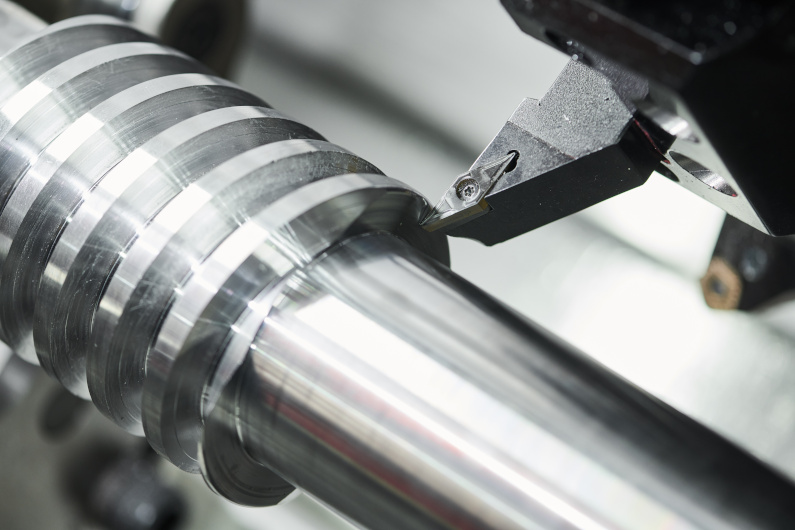
Unlike general-purpose metals, tool steels are an engineered class of ferrous alloys specifically formulated to resist deformation, abrasion, and impact under severe operating conditions. Their careful composition and heat treatment transform them into materials capable of enduring the most demanding industrial applications, safeguarding both performance and longevity.
The Essence of Tool Steel: Engineered for Performance
At its core, a tool steel is an alloy steel designed for specific applications, primarily tooling, where resistance to wear, deformation, and softening at elevated temperatures is paramount. What sets them apart from more common steels, such as mild steel, is their meticulously balanced chemical composition, which includes higher percentages of alloying elements. These elements are not randomly added; each contributes distinct properties, creating a synergy that optimizes the steel for its intended purpose.
The foundational principle behind tool steel's enhanced performance lies in its microstructure. Through careful alloying and subsequent heat treatment, metallurgists manipulate the steel's internal structure to form hard, wear-resistant carbides and a tough, supportive matrix. These carbides, typically formed by elements like vanadium, tungsten, and chromium, act as microscopic obstacles that resist the cutting and gouging action of abrasive particles, thereby significantly improving wear resistance.
The Role of Alloying Elements in Enhancing Properties
The selection and proportion of alloying elements are critical to tailoring tool steel for specific high-wear industrial components:
- Chromium: Often added in significant percentages, chromium enhances hardenability and contributes to wear resistance by forming chromium carbides. It also plays a role in corrosion resistance, especially at higher concentrations.
- Molybdenum: This element is crucial for increasing hardenability and strength at elevated temperatures, a property known as "red hardness." Molybdenum also forms fine carbides that improve wear resistance and temper resistance, meaning the steel retains its hardness after tempering.
- Vanadium: A powerful carbide former, vanadium produces extremely hard vanadium carbides. These carbides are exceptionally effective at resisting abrasive wear, making vanadium a key additive for applications requiring superior abrasion resistance.
- Tungsten: Similar to molybdenum, tungsten significantly improves the hot hardness and wear resistance of tool steels. Tungsten carbides are very hard and stable, contributing to the steel's ability to maintain a sharp edge and resist abrasion at high operating temperatures.
- Cobalt: Primarily used in high-speed tool steels, cobalt enhances red hardness and high-temperature strength by strengthening the matrix and improving the stability of carbides. It allows the tool steel to maintain its cutting edge even when it glows red hot from friction during operation.
The precise interplay of these elements, combined with specific thermal processing, allows for the creation of tool steels with a spectrum of properties, each optimized for different types of mechanical stress and environmental conditions.
Key Properties for Enhancing Industrial Component Durability
When selecting a tool steel for high-wear components, understanding the interplay of several core mechanical properties is essential. These properties dictate how a material will perform under stress and determine its overall durability in an industrial setting.
Hardness vs. Toughness: A Critical Balance for Tool Steel High-Wear Components
One of the most fundamental trade-offs in material science, particularly for tool steel high-wear components, is the relationship between hardness and toughness.
- Hardness refers to a material's resistance to permanent indentation, scratching, or abrasion. For high-wear applications, high hardness is often desired as it directly correlates with resistance to abrasive and adhesive wear.
- Toughness, conversely, is a material's ability to absorb energy and deform plastically before fracturing. A tough material can withstand impacts and shock loads without catastrophic failure.
The challenge lies in the inverse relationship: increasing hardness often reduces toughness, making the material more brittle. Therefore, selecting the optimal tool steel grade involves finding the right balance. For instance, a cutting tool requires high hardness to maintain its edge but also sufficient toughness to resist chipping. A stamping die, on the other hand, needs both extreme hardness for wear resistance and adequate toughness to withstand repetitive impact forces.
Compressive Strength and Fatigue Resistance
Industrial components are frequently subjected to compressive loads and cyclic stresses.
- Compressive strength is the maximum compressive stress a material can withstand before permanent deformation or fracture. In dies, molds, and structural supports, high compressive strength prevents crushing and ensures dimensional stability under load.
- Fatigue resistance describes a material's ability to endure repetitive stress cycles without failing. Components like gears, springs, and shafts are continuously subjected to cyclic loading. A material with good fatigue resistance will have a longer operational life under these conditions, delaying the initiation and propagation of cracks that can lead to catastrophic failure.
Dimensional Stability and Heat Treatment
The thermal processing of tool steels, particularly heat treatment, is as critical as their chemical composition. Heat treatment—involving precise heating, quenching, and tempering cycles—develops the desired microstructure, unlocking the full potential of the alloying elements.
- Dimensional stability refers to the ability of a material to maintain its size and shape during heat treatment and subsequent operation. Poor dimensional stability can lead to distortions, cracks, or residual stresses, rendering a component unusable or significantly shortening its lifespan. Selecting tool steels with high dimensional stability, often achieved through specific alloying (e.g., higher carbon and alloy content) and careful heat treatment, is crucial for precision components.
- The meticulous control over heat treatment processes allows engineers to optimize the balance between hardness, toughness, and dimensional stability, ensuring the final component meets the stringent demands of its high-wear application.
Classifying Tool Steels for Specific High-Wear Applications
Tool steels are broadly categorized based on their primary intended use and operating conditions. Each category offers a distinct set of properties optimized for different types of wear and environmental factors.
Cold Work Tool Steels: For High Abrasive Resistance
Cold work tool steels are designed for applications where the tool's surface temperature does not rise significantly during operation, typically below 400°F (200°C). Their primary characteristic is high hardness and exceptional wear resistance, often at the expense of some toughness.
- D-Series Steels: Known for their very high wear resistance due to high carbon and chromium content, forming hard carbides. They are often used for long-run dies, shear blades, and forming rolls where extreme abrasion is the main concern.
- A-Series Steels: These steels offer a good balance of wear resistance and toughness, along with good dimensional stability during heat treatment. They are suitable for general-purpose dies, punches, and gauges.
- O-Series Steels: Oil-hardening cold work steels, offering good wear resistance and toughness, but with lower hardenability than A-series or D-series. They are often used for intricate shapes where minimal distortion is critical.
Hot Work Tool Steels: Sustaining Durability in Elevated Temperatures
Hot work tool steels are engineered to withstand prolonged exposure to high temperatures (above 600°F or 315°C) without losing their hardness, strength, or toughness. They possess excellent "red hardness" and resistance to thermal fatigue.
- H-Series Steels: These are the primary hot work tool steels, featuring elements like chromium, molybdenum, and vanadium that contribute to heat resistance. They are vital for hot forging dies, die casting molds, and extrusion tooling, where components must retain their integrity despite repeated thermal cycling and mechanical stress at elevated temperatures.
High-Speed Tool Steels (HSS): For Cutting and High-Temperature Operation
High-speed tool steels are specifically designed for cutting operations where the tool can reach very high temperatures due to friction. Their defining characteristic is superior red hardness, allowing them to maintain a sharp edge and cutting ability even when glowing hot.
- M-Series and T-Series Steels: These contain significant amounts of tungsten and molybdenum (and sometimes cobalt), which form highly stable carbides. They are indispensable for drills, taps, milling cutters, and other metal-cutting tools used in high-speed machining. Their ability to resist softening at elevated temperatures directly translates to higher production speeds and longer tool life.
Shock-Resisting and Other Special-Purpose Grades
While the above categories cover many high-wear scenarios, specialized tool steels exist for unique demands:
- S-Series Steels (Shock-Resisting): These grades prioritize toughness and impact resistance over extreme hardness. They are designed for applications involving severe shock loading, such as pneumatic tool parts, chisels, and shear blades for cold cutting. Their composition typically includes moderate carbon and alloying elements that promote a fine grain structure and good impact energy absorption.
- Plastic Mold Steels (P-Series): While not exclusively high-wear, some plastic mold steels require good wear resistance against abrasive plastic resins. They are also valued for their polishability, ease of machining, and ability to be hardened to a high degree.
- Water-Hardening Steels (W-Series): These are simple carbon tool steels that achieve high surface hardness when quenched in water. They are suitable for applications requiring a very hard surface with a tough core, but their shallow hardenability and tendency to distort limit their use in complex high-wear components.
Practical Considerations for Grade Selection
The theoretical understanding of tool steel properties and classifications forms the bedrock, but practical selection requires a systematic approach that integrates application requirements with material characteristics. This involves a comprehensive assessment of the operational environment and a careful balancing act between performance, manufacturability, and cost.
Assessing Application Requirements: Load, Temperature, Environment, and Wear Mechanisms
The most critical step in selecting a tool steel is a thorough analysis of the specific demands placed on the component.
- Type of Load: Is the component subjected to static compression, cyclic impact, bending, or torsion? High impact loads necessitate a tough steel, while sustained compressive forces require high compressive strength.
- Operating Temperature: Will the component experience elevated temperatures? If so, hot hardness and resistance to thermal fatigue become paramount. For extreme conditions, hot work tool steels are the obvious choice.
- Environmental Factors: Is the component exposed to corrosive agents, humidity, or aggressive chemicals? While tool steels are primarily for wear, some variants offer improved corrosion resistance, a factor that needs to be considered if the environment accelerates material degradation beyond purely mechanical wear.
- Dominant Wear Mechanisms: Identifying the specific type of wear is crucial.
- Abrasive Wear: Occurs when hard particles slide or roll against a softer surface, removing material. High-hardness tool steels, especially those with high carbide content (e.g., D-series cold work steels), excel here.
- Adhesive Wear: Results from localized bonding between surfaces and subsequent fracture, transferring material. Surface hardness and certain surface treatments can mitigate this.
- Erosive Wear: Caused by the impact of small solid or liquid particles. This often requires a balance of hardness and toughness.
- Fatigue Wear: Arises from repeated stress cycles, leading to surface or subsurface crack initiation and propagation. Steels with good fatigue resistance and microstructural integrity are essential.
By meticulously breaking down these factors, engineers can create a profile of the ideal material properties needed for their tool steel high-wear components.
The Interplay of Material Cost, Machinability, and Performance
Beyond pure performance, practical considerations like cost and manufacturability heavily influence the final selection.
- Material Cost: Highly alloyed tool steels are generally more expensive than lower-alloy or general-purpose steels. The initial material cost must be weighed against the expected lifespan and potential savings from reduced downtime and replacements. Sometimes, a more expensive tool steel upfront leads to significant long-term savings.
- Machinability: The ease with which a material can be cut, formed, or machined. Tool steels, particularly those with very high hardness and carbide content, can be challenging to machine, requiring specialized tooling and techniques. Poor machinability can lead to higher manufacturing costs and longer production times.
- Heat Treatment Complexity: The specific heat treatment required can add to the overall cost and complexity. Some tool steels demand very precise temperature control and quench media, which requires specialized equipment and expertise.
A comprehensive evaluation requires balancing these factors. For instance, a complex part made from an ultra-hard but difficult-to-machine tool steel might cost more to produce, but its extended lifespan in a critical industrial machinery application could justify the investment. Conversely, for less critical components, a more cost-effective and easier-to-process grade might be preferred, even if it offers slightly lower wear resistance. Resources like "Complete Guide to Select 'Tool Steel' in Your Machine Design," published on June 28, 2025, and having garnered 15,257 views and 585 likes as of November 27, 2026, exemplify the ongoing industry effort to provide guidance on these complex selection processes.
Role of Tool Steels in Modern Industrial Machinery
Tool steels are the unsung heroes behind the efficiency and reliability of countless industrial processes. Their unique combination of properties makes them indispensable for components that bear the brunt of continuous operation and extreme conditions.
Critical Components: Dies, Punches, Molds, and Blades
Within industrial manufacturing, tool steels form the backbone of crucial tooling:
- Dies: From stamping and forming dies to extrusion and forging dies, tool steels provide the hardness and strength needed to shape metals and other materials repeatedly without deforming or wearing out prematurely.
- Punches: Used in conjunction with dies for cutting, piercing, and blanking operations, punches made from tool steel resist the severe compressive and impact stresses they endure.
- Molds: In plastic injection molding and die casting, tool steels withstand high temperatures, abrasive plastics, and corrosive molten metals, ensuring precise component replication and long mold life.
- Blades: Shear blades, cutting tools, and industrial knives rely on the exceptional hardness and edge retention of tool steels to perform their tasks efficiently and safely, minimizing the need for frequent sharpening or replacement.
Sectors Benefiting from Enhanced Durability
Virtually every sector of industrial manufacturing relies on the enhanced durability provided by tool steels:
- Automotive Industry: For critical components in engine manufacturing, stamping body panels, and producing gears.
- Aerospace and Defense: Where component reliability is non-negotiable, tool steels are used in precision machining tools and structural elements exposed to high stress.
- Construction and Mining: Heavy machinery parts, drilling bits, and rock-breaking tools require materials that can withstand extreme abrasion and impact in harsh environments.
- Energy Sector: Components for oil and gas drilling, power generation turbines, and renewable energy systems often operate under high-stress and high-temperature conditions, demanding robust tool steels.
- General Manufacturing: Any industry involving cutting, forming, or shaping materials ultimately depends on the performance of tool steel tooling to maintain productivity and product quality.
Exploring Future Directions in Tool Steel Durability
The field of material science is continuously evolving, with ongoing research pushing the boundaries of what tool steels can achieve. The drive for greater durability, efficiency, and sustainability fuels innovation in metallurgy and manufacturing processes.
Advanced Metallurgy and Manufacturing Processes
Future advancements in tool steel durability are being driven by several key areas:
- Powder Metallurgy (PM) Tool Steels: This manufacturing route involves producing fine steel powder, compacting it, and then sintering it. This process creates a finer, more uniform microstructure with smaller, more evenly distributed carbides compared to conventionally cast and wrought steels. The result is improved toughness, better grindability, and enhanced wear resistance, particularly in high-alloy grades.
- Additive Manufacturing (3D Printing): The application of additive manufacturing to tool steels allows for the creation of highly complex geometries with customized internal structures. This can lead to tools with optimized cooling channels, reduced material waste, and potentially tailored properties at specific locations within a component, offering new avenues for improving performance and lifespan.
- Advanced Heat Treatment Regimes: Researchers are continually exploring new heat treatment cycles, including cryo-treatment, to further refine the microstructure of existing tool steel grades. These advanced treatments can lead to enhanced hardness, improved dimensional stability, and prolonged fatigue life by transforming retained austenite and refining carbide distribution.
Ongoing Research for Novel Alloys
The quest for next-generation tool steels involves developing entirely new alloy compositions that offer superior performance in multifaceted extreme environments. This research focuses on creating materials that not only resist wear but also exhibit enhanced corrosion resistance, higher strength-to-weight ratios, and improved performance at elevated temperatures. The aim is to overcome the traditional compromises between properties, developing materials that can simultaneously withstand multiple forms of degradation, thereby significantly extending the service life of critical industrial components and reducing the environmental footprint of manufacturing through increased efficiency and reduced material consumption.
Conclusion: Continuing Your Learning Journey
The selection of tool steel grades for high-wear industrial components is a sophisticated process that transcends simple material choice. It demands a deep understanding of metallurgical principles, the specific demands of the application, and the nuanced interplay of properties like hardness, toughness, and wear resistance. As industrial processes become more demanding and the drive for efficiency intensifies, the role of correctly specified tool steels becomes ever more critical in enhancing durability and ensuring reliable operation.
For engineers and designers, the journey of understanding tool steels is continuous. Future exploration should delve deeper into specific wear mechanisms relevant to your industry, analyze comprehensive lifecycle costs, and investigate the impact of various surface engineering techniques that can further augment the performance of chosen tool steels. Collaborating with material scientists and reputable suppliers, alongside consulting up-to-date industry resources, will empower you to make informed decisions that significantly enhance the durability and operational longevity of your tool steel high-wear components.
References
- "Complete Guide to Select 'Tool Steel' in Your Machine Design" (Video). YouTube, uploaded by Mechanical Engineers Info, 28 June 2025. Accessed 27 Nov. 2026.
