
Optimizing Complex Part Fabrication: Integrating Laser Cutting and Sheet Metal Bending (Updated 2026-11-26)
In modern manufacturing, achieving precision, efficiency, and cost-effectiveness for complex parts often feels like a balancing act between distinct processes. Engineers and fabricators commonly grapple with how to transition seamlessly from raw material to a finished component, especially when intricate designs demand both precise cutting and accurate forming. The traditional approach might involve separate steps for cutting and bending, leading to potential tolerance stack-ups, increased handling, and rework. However, a significant advancement in fabrication lies in the strategic integration of laser cutting and sheet metal bending. This integrated approach, often referred to as "laser cutting sheet metal bending integration," fundamentally transforms how complex parts are fabricated, offering a streamlined workflow that mitigates these traditional challenges. This article will delve into the underlying principles, benefits, and practical considerations of this powerful manufacturing synergy.
The Synergistic Relationship: Why Integrated Laser Cutting and Bending is Essential
At its core, the value of integrating laser cutting and sheet metal bending stems from a simple principle: minimizing the points at which errors can accumulate. When a part is cut on one machine and then moved to another for bending, each transfer introduces potential for misalignment, measurement errors, or material deformation. These discrepancies, even minor ones, can compound across multiple operations, resulting in parts that do not meet strict tolerances or fail to assemble correctly.
The synergistic relationship of an integrated system addresses this by viewing cutting and bending not as isolated tasks but as interdependent stages of a single, continuous process. As of 2026-11-26, this approach is recognized for its ability to enhance accuracy, reduce errors, and ensure consistency in part quality. By controlling both operations within a unified framework, often guided by shared digital models and automated transfer mechanisms, the system ensures that the precise geometry created by the laser cutter directly informs the subsequent bending operations. This eliminates the need for manual alignment between stages, dramatically reducing variation and the potential for costly rework. The outcome is a higher first-pass yield and components that consistently meet the exact specifications of the original design.
Understanding the Integrated Process: From Design to Formed Part
The process of laser cutting sheet metal bending integration is a meticulously orchestrated workflow designed for maximum precision and efficiency. It begins long before any material is cut or bent, primarily in the digital realm.
- CAD/CAM Design and Optimization: The journey starts with a detailed Computer-Aided Design (CAD) model of the final part. This digital model is then transferred to Computer-Aided Manufacturing (CAM) software, which translates the design into machine-specific instructions. Critically, during this stage, the design is optimized not just for cut features but also for bend sequencing and tooling. The software accounts for material properties, bend allowances, and potential interferences, ensuring that the part can be fabricated without issues.
- Nesting and Material Preparation: Before cutting, nesting software strategically arranges multiple parts onto a single sheet of raw material to minimize waste. This optimization is crucial for cost-efficiency, especially when dealing with expensive materials or large production runs. The raw sheet metal, which can range from various grades of steel (including common alloys like Steel 1018) to aluminum, stainless steel, and specialty alloys, is then loaded onto the laser cutting system.
- Precision Laser Cutting: The material moves into the laser cutting station. Modern fiber lasers, often CNC-controlled, use a focused beam to precisely cut complex shapes, holes, and features into the sheet metal. The accuracy of laser cutting is paramount, as any deviation here will propagate through subsequent bending stages. Fiber lasers are known for their speed, clean cuts, and ability to handle a wide range of material thicknesses, from thin gauges to thick plates.
- Automated Transfer and Bend Sequencing: Once cutting is complete, the cut parts (or the skeletonized sheet) are automatically transferred to the press brake. This transfer might involve robotic arms or conveyor systems, ensuring consistent positioning. The integrated software then orchestrates the bend sequence, guiding the press brake to perform each bend in the correct order and at the precise angles dictated by the CAM program. This programmed sequence is vital for creating complex geometries without collisions between the part and the press brake tooling.
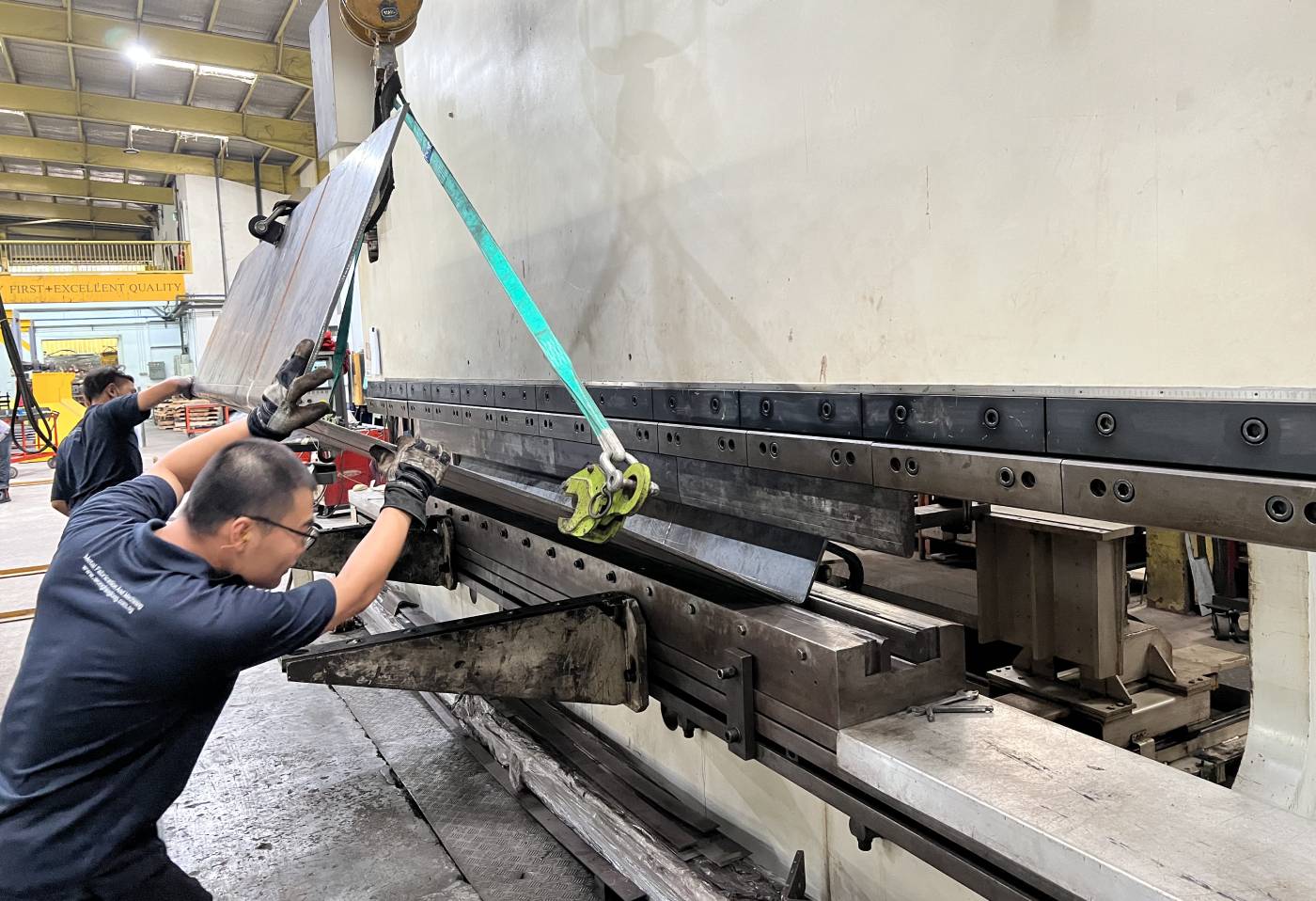
- Precision Sheet Metal Bending: The press brake, equipped with specialized tooling, applies controlled force to the sheet metal, forming it into the desired angles and shapes. The integration here means that the bending machine knows the exact dimensions and positions of the laser-cut features, allowing for highly accurate bends relative to these features. Many systems use angle measurement devices during bending to compensate for material spring back and ensure consistent angle accuracy. For a deeper understanding of forming techniques, exploring Sheet Metal Bending Service can provide further insights.
- Quality Control and Inspection: Throughout and after the bending process, quality control checks are performed. This can range from in-process sensor-based measurements to post-fabrication inspections, ensuring that the final part conforms to all specified tolerances. The advantage of integration is that issues can often be identified earlier, reducing the overall scrap rate.
This integrated approach represents a significant leap from fragmented fabrication, offering a cohesive, controlled, and highly precise method for bringing complex designs to life.
Driving Efficiency and Quality: Key Advantages of Integrated Systems
The adoption of integrated laser cutting and sheet metal bending for complex part fabrication offers a multitude of tangible advantages that extend beyond mere precision. These benefits collectively contribute to a more efficient, cost-effective, and quality-driven manufacturing environment.
One of the primary advantages is the significant reduction in lead times. By streamlining the entire fabrication process, from digital design to physical output, the need for separate setups, manual transfers, and extensive quality checks between stages is dramatically minimized. This acceleration of the production cycle allows for quicker prototyping and faster delivery of finished components, a critical factor in today's demanding market.
Cost savings through material optimization is another compelling benefit. Advanced nesting software, a cornerstone of integrated systems, can arrange even dissimilar parts onto a single sheet of metal with exceptional efficiency, drastically reducing material waste. For example, systems often allow for the cutting of various components from a common material sheet, which would be challenging in fragmented processes. This efficiency translates directly into lower material costs per part.
The elimination of rework is a substantial financial and time saver. When cut features and bend lines are precisely aligned from the outset, the likelihood of errors that necessitate correction or scrapping of parts diminishes significantly. This "first-time-right" approach minimizes wasted labor, material, and machine time.
Furthermore, consistent quality across production runs is a hallmark of integrated systems. The digital continuity from CAD/CAM through to machine execution ensures that every part produced adheres to the same precise specifications. This consistency is particularly critical for industries requiring high reliability and tight tolerances, such as aerospace, medical device manufacturing, and electronics.
Modern integrated systems also boast impressive capabilities. For instance, CNC solid-state fiber lasers can achieve cut speeds exceeding 2000 inches per minute, handling materials from 24 gauge up to 1-inch plate steel, 3/8-inch aluminum, and 5/8-inch stainless steel. This versatility allows manufacturers to process a wide array of materials and thicknesses, producing complex parts with intricate details and multiple bends.
Core Technologies: Machines, Automation, and Software for Seamless Integration
The successful integration of laser cutting and sheet metal bending is not merely a conceptual workflow; it is underpinned by sophisticated core technologies that work in concert. Understanding these components is crucial to appreciating the power of this fabrication method.
Precision Machines: Laser Cutters and Press Brakes
At the heart of the integrated system are the cutting and forming machines themselves. Laser cutting machines, particularly those utilizing fiber laser technology, are central. Fiber lasers offer high power efficiency, rapid cutting speeds, and the ability to process a wide range of metals with minimal heat distortion. Their precise beam allows for intricate geometries and clean edges, essential for parts that will undergo subsequent bending.
Press brakes are the counterparts for forming. Modern CNC press brakes are highly automated, capable of executing complex bend sequences with extreme accuracy. They often feature dynamic angle correction systems that measure the actual bend angle in real-time and adjust the ram depth to compensate for material variations or spring back. This ensures that every bend is precisely formed to the specified degree.
Automation and Robotics
A critical enabler of seamless integration is automation. This includes automatic load/unload systems that feed raw material into the laser cutter and remove finished blanks, often allowing for "lights-out" or operator-free operation for extended periods. Once cut, robotics frequently take over, transferring parts from the laser cutting station to the press brake. These robots are programmed to handle parts precisely, orienting them correctly for the bending sequence and minimizing human intervention and potential for error. The degree of automation can vary, from semi-automated setups requiring some human oversight to fully automated cells where material is loaded at one end and finished parts are unloaded at the other.
Intelligent Software Systems
Perhaps the most crucial component linking these processes is intelligent software. This ecosystem typically includes:
- CAD/CAM Software: For designing the parts and generating optimized cutting paths and bending sequences. This software often includes features for bend compensation and simulation, predicting how the material will behave during forming.
- Nesting Software: Maximizes material utilization by efficiently arranging parts on the raw sheet, reducing waste and cost.
- Machine Control Systems: These are the brains of the operation, communicating instructions to both the laser cutter and the press brake, coordinating their actions, and managing the automated transfer mechanisms. These systems ensure that data from the cutting stage seamlessly flows to the bending stage, maintaining design intent and precision.
- Manufacturing Execution Systems (MES): Often, these integrated setups are part of a broader MES, which monitors and manages real-time production data, scheduling, and quality control across the entire fabrication process.
Together, these machines, automation solutions, and sophisticated software platforms create a unified manufacturing environment where "laser cutting sheet metal bending integration" truly comes to fruition, transforming raw metal into complex, precisely formed components. For general understanding of the manufacturing processes involved, a review of What Is Sheet Metal Fabrication may be beneficial.
Material Capabilities and Applications in Modern Fabrication
The integrated approach of laser cutting and sheet metal bending is remarkably versatile, capable of processing a wide array of materials and thicknesses, which broadens its applicability across numerous industries.
Commonly processed materials include:
- Carbon Steel: From light gauge to thick plate, ideal for structural components and machinery.
- Stainless Steel: Valued for its corrosion resistance and aesthetic qualities, used in food processing equipment, medical devices, and architectural elements.
- Aluminum: Lightweight and corrosion-resistant, frequently used in aerospace, automotive, and consumer electronics.
- Galvanized and Aluminized Steel: Often used where corrosion protection is critical, such as HVAC components and agricultural equipment.
- Copper and Brass: Chosen for their electrical conductivity and aesthetic appeal, found in electrical components, decorative items, and plumbing.
- Titanium: Highly valued in aerospace and medical implants for its strength-to-weight ratio and biocompatibility.
The thickness capabilities of integrated systems can be substantial. For example, advanced CNC solid-state fiber lasers can precisely cut steel up to 1 inch thick. Similarly, they can handle aluminum up to 3/8 inch and stainless steel up to 5/8 inch, providing significant flexibility for diverse project requirements. These capabilities allow for the fabrication of parts ranging from delicate, intricate electronic enclosures to robust, heavy-duty machinery components.
The types of complex parts that benefit most from this integrated approach are those requiring tight tolerances on multiple features and precise angular accuracy on numerous bends. Examples include:
- Enclosures and Housings: For electronics, industrial machinery, and control panels, where precise fit and finish are critical.
- Brackets and Mounts: Used across almost every industry, often with multiple bends and holes for assembly.
- Chassis and Frames: For vehicles, robots, and specialized equipment, demanding structural integrity and exact dimensions.
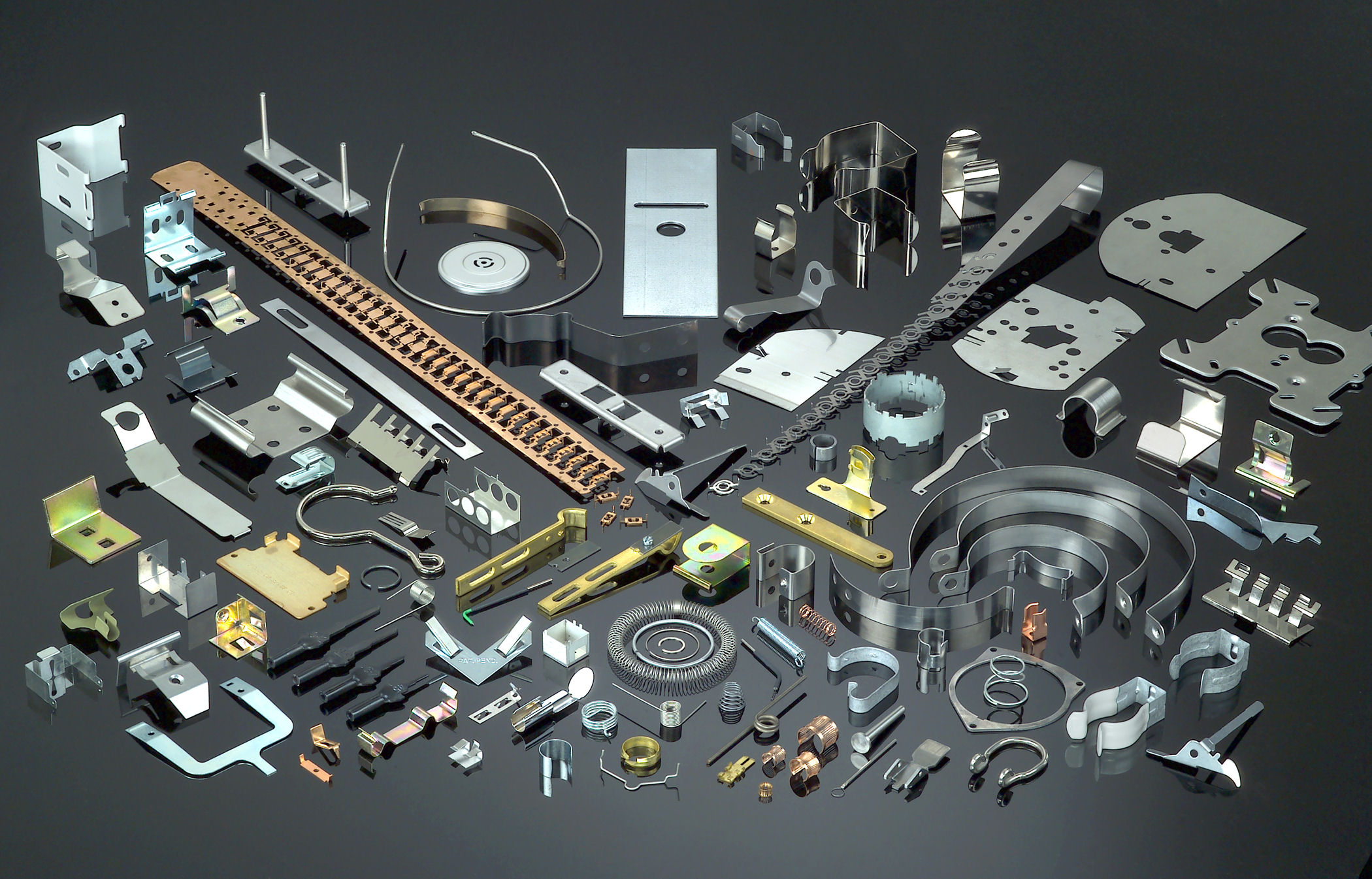
- Specialty Components: For medical devices, HVAC systems, and architectural installations, where custom shapes and high precision are non-negotiable.
The ability to consistently produce these complex parts with minimal intervention and maximum accuracy makes integrated laser cutting and bending a preferred method for manufacturers seeking to optimize their production processes. To learn more about how comprehensive fabrication services encompass these processes, visit Sheet Metal Fabrication Service.
Navigating the Integration: Challenges and Practical Considerations
While the benefits of integrating laser cutting and sheet metal bending are substantial, implementing such advanced systems is not without its challenges and requires careful consideration. Understanding these factors is essential for any organization contemplating this strategic investment.
One of the most significant considerations is the initial investment cost. Fully integrated laser cutting and bending systems, especially those with high levels of automation and robotics, represent a substantial capital expenditure. This includes the cost of high-power fiber lasers, sophisticated CNC press brakes, automated material handling systems, and the advanced software that orchestrates the entire workflow. For many businesses, a thorough return-on-investment (ROI) analysis is critical before proceeding.
Another challenge is the required expertise and training. Operating and maintaining these complex integrated systems demands a higher level of skill than traditional standalone machines. Technicians and operators need to be proficient in CAD/CAM software, machine programming, troubleshooting, and understanding the nuances of how different materials behave under cutting and bending stresses. This often necessitates significant investment in specialized training programs or the recruitment of highly skilled personnel.
The complexity of programming for highly automated lines can also be a hurdle. While integrated software aims to streamline the process, creating optimal nesting patterns, bend sequences, and robotic transfer paths for a diverse range of complex parts can be intricate and time-consuming. Errors in programming can lead to costly material waste or machine downtime.
Maintenance requirements for integrated systems are generally more complex due to the interconnected nature of the machines and software. Downtime on one component can halt the entire production line. Therefore, a robust preventative maintenance schedule and readily available spare parts are crucial to ensure continuous operation.
Finally, while integration aims to reduce overall downtime by streamlining processes, the potential for downtime during the initial integration phase and any subsequent system upgrades should be factored in. Bringing new, complex machinery online, calibrating it, and ironing out software interoperability issues can temporarily impact production capacity.
Despite these challenges, many companies find that the long-term benefits in precision, efficiency, and quality often outweigh the initial hurdles. By approaching integration with a clear understanding of these considerations, manufacturers can better prepare for a successful transition to advanced fabrication capabilities. For further information on manufacturing solutions, the main www.bingzhen-sh.com site may offer valuable resources.
Conclusion: A Forward Look at Complex Part Fabrication
The integration of laser cutting and sheet metal bending represents a transformative approach in the fabrication of complex metal parts. By establishing a seamless digital and physical workflow, this methodology fundamentally addresses the inherent inefficiencies and precision limitations of fragmented manufacturing processes. From the initial CAD model to the final formed component, the synergy between precise laser cutting and accurate press brake bending, driven by intelligent software and sophisticated automation, yields superior part quality, reduced lead times, and significant material cost savings.
Understanding this integrated process involves appreciating the interplay of advanced machinery, robotic handling, and comprehensive software solutions that orchestrate every step. While the adoption of such systems presents challenges related to initial investment, required expertise, and implementation complexity, the long-term benefits for consistency, efficiency, and the ability to produce highly intricate designs are undeniable.
As manufacturing continues to evolve, the demand for complex, high-tolerance parts will only grow. For those involved in product design and fabrication, exploring the specific automation technologies, software capabilities, and material processing limits of integrated laser cutting and bending systems will be crucial. This deeper investigation will enable a more informed assessment of how these powerful integrated solutions can meet specific production needs and contribute to the ongoing advancement of modern manufacturing.
