
Optimizing the Custom Metal Part Manufacturing Supply Chain: Strategies for 2026
The intricacies of bringing a custom metal part from concept to final product often remain opaque, even to those within the broader manufacturing sector. For many, the journey begins and ends with design and fabrication, overlooking the vast, complex network that underpins every stage: the supply chain and logistics. Without a deep understanding and proactive optimization of this critical backbone, manufacturers of custom metal parts face amplified risks of delays, cost overruns, and compromised quality. Anticipating the dynamic landscape of 2026, this article delves into the components, processes, and strategies essential for mastering the metal part manufacturing supply chain.
Decoding the Custom Metal Part Manufacturing Supply Chain
At its core, the supply chain for custom metal part manufacturing encompasses every step, from the initial extraction of raw materials to the ultimate delivery of the finished component. Unlike mass-produced items, custom metal parts introduce layers of complexity due to unique specifications, specialized materials, and often lower production volumes. Understanding this end-to-end process is the first step toward optimization.
The typical stages of a metal part manufacturing supply chain begin long before fabrication. It starts with the sourcing of raw materials, which can range from standard metals like Steel 1018 to more specialized variants such as Alloy Steel. These materials are extracted (mining), refined, and then processed into forms usable by manufacturers (e.g., sheets, bars, billets). Each material choice for a custom part dictates a specific sourcing pathway, often involving global networks.
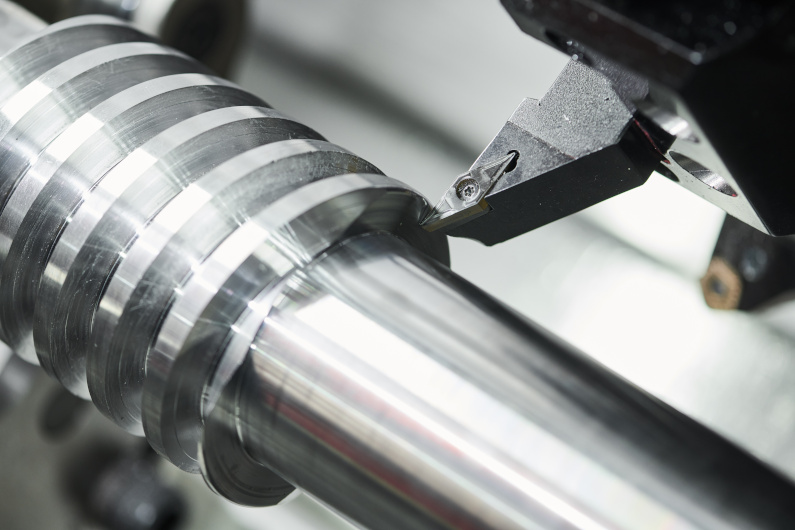
Following raw material procurement, the chain moves to manufacturing and fabrication. This involves processes like cutting, forming, welding, and advanced techniques such as CNC machining, all tailored to the part's precise design. For custom parts, this stage is characterized by meticulous adherence to specifications, potentially involving unique tooling or programming for each order. After fabrication, parts undergo finishing processes (e.g., heat treatment, surface coating), quality control, assembly (if applicable), and then packaging. Finally, the logistical phase handles storage, transportation, and distribution to the client. This entire sequence, from raw material to consumption, defines the comprehensive metal part manufacturing supply chain meaning.
Each node in this chain presents opportunities for efficiency gains but also potential bottlenecks. The custom nature of the product means that standardized, off-the-shelf solutions often fall short, requiring a more bespoke approach to supply chain management. This inherent variability is both a challenge and a strategic differentiator for agile manufacturers.
Navigating Inherent Challenges in Metal Manufacturing Supply Chains
The journey of a metal part through its supply chain is rarely linear or predictable. Manufacturers of custom metal parts face a unique confluence of challenges that can disrupt operations, escalate costs, and delay timelines. Understanding these underlying issues is crucial for developing robust mitigation strategies.
One primary challenge stems from the inherent volatility of raw material markets. Prices for metals like steel, aluminum, and copper are subject to global economic shifts, geopolitical tensions, and speculative trading. A sudden spike in material costs can erode profit margins for fixed-price contracts or necessitate rapid price adjustments, impacting customer relationships. For custom parts requiring specific, often less common, alloys, this volatility can be even more pronounced, as supply is typically more constrained.
Geopolitical factors and trade disputes further complicate the metal part manufacturing supply chain. Tariffs, import restrictions, and international sanctions can abruptly alter sourcing strategies, increasing costs and lead times. A manufacturer relying on a specific grade of stainless steel from a particular region might find their supply interrupted or become prohibitively expensive overnight due to new trade policies. The heavy and bulky nature of metal products also presents significant logistical challenges. Transporting these materials over long distances, whether by sea, rail, or truck, is expensive, time-consuming, and susceptible to disruptions from weather events, port congestion, or labor shortages. This is particularly true for custom parts, which might require specialized handling or smaller, less efficient shipment sizes compared to bulk orders.
Beyond external factors, internal operational issues like data silos and a lack of end-to-end visibility contribute to complexity. Without a comprehensive view of inventory levels, production schedules, and shipment statuses across the entire chain, manufacturers struggle to make informed decisions, especially during periods of material scarcity or unexpected demand fluctuations. Quality control, while paramount for custom parts, also presents a challenge; identifying and rectifying defects late in the supply chain can lead to significant rework, scrap, and delays. These multifaceted hurdles underscore the need for sophisticated strategies in metal part manufacturing supply chain management.
Strategic Approaches to Supply Chain Management and Optimization
Effective supply chain management for custom metal part manufacturing is not merely about reacting to disruptions; it involves a proactive, strategic approach built on design, planning, and robust execution. To thrive in the evolving landscape toward 2026, manufacturers must adopt multifaceted strategies that enhance resilience and efficiency.
One fundamental strategy is supplier diversification. Relying on a single supplier for critical raw materials or components introduces significant risk. By establishing relationships with multiple suppliers across different geographical locations, manufacturers can mitigate the impact of localized disruptions, whether from natural disasters, political instability, or production failures. This approach ensures continuity of supply, even if one source becomes unavailable. Similarly, strategic stockpiling of critical raw materials or long-lead-time components can act as a buffer against supply shortages and price volatility. However, this strategy requires careful inventory management to balance the cost of holding inventory against the risk of stockouts.
Prioritizing local sourcing is another increasingly favored approach. By procuring materials and services from nearby providers, manufacturers can significantly reduce transportation costs, shorten lead times, and simplify logistical complexities. Local sourcing also tends to improve communication and collaboration, fostering stronger supplier relationships. This is particularly beneficial for custom parts, where frequent communication and rapid turnaround for specialized components might be necessary.
Optimization efforts are often categorized into three pillars:
- Strategic Design: This involves intelligently structuring the entire supply network. It includes decisions on factory locations, warehouse placements, and distribution channels. For custom metal parts, this might mean designing a network that allows for rapid prototyping and iterative adjustments with suppliers, minimizing design-to-production cycles. Demand forecasting, while challenging for custom, low-volume orders, plays a role in anticipating broader material needs.
- Meticulous Planning: This pillar focuses on detailed coordination of inventory, assets, and production schedules. Advanced planning systems can help synchronize material flow with manufacturing capacity. For custom parts, this often means flexible planning that can adapt to unique project timelines and material requirements, rather than rigid production lines.
- Robust Execution: This involves the day-to-day management of warehouse operations, transportation, and order fulfillment. Implementing efficient warehouse management systems (WMS) and transport management systems (TMS) ensures materials move smoothly and products are delivered on time. For custom metal parts, this also includes meticulous tracking of individual project progress and ensuring specific packaging and shipping requirements are met.
Beyond these operational strategies, fostering close collaboration with suppliers and customers is paramount. While formal "alliances" might not always be explicit, developing transparent, trust-based relationships allows for shared insights into demand forecasts, material availability, and potential issues. This collaborative approach can significantly improve efficiency and responsiveness throughout the entire metal part manufacturing supply chain.
The Transformative Power of Technology in Supply Chain Visibility
In a supply chain as intricate and volatile as that for custom metal parts, information is power. The absence of comprehensive, real-time data often leads to inefficiencies, delays, and poor decision-making. This is where technology plays a transformative role, fundamentally enhancing end-to-end visibility and agility.
Traditional supply chains often suffer from "data silos," where information remains confined within individual departments or partner organizations, hindering a holistic view. Advanced technologies are breaking down these barriers, providing manufacturers with unprecedented insight into every stage of their operations.
Real-time tracking and monitoring are now achievable through various innovations:
- Internet of Things (IoT): Sensors embedded in equipment, raw materials, or transportation units can continuously collect data on location, temperature, humidity, and operational status. For example, IoT devices can monitor the environmental conditions of sensitive metal alloys during transit or track the operational efficiency of a manufacturing machine.
- GPS Tracking: This widely used technology offers precise location data for shipments, allowing manufacturers to monitor the progress of raw materials or finished custom parts in real time. This capability is critical for anticipating arrival times, rerouting shipments if necessary, and informing customers proactively about potential delays.
- Blockchain: While still evolving, blockchain technology offers a decentralized, immutable ledger for recording transactions across the supply chain. This can enhance transparency and traceability, verifying the origin of raw materials, tracking certifications, and ensuring the authenticity of components. For custom metal parts where material provenance and quality are paramount, blockchain could provide unparalleled assurance.
Beyond tracking, advanced analytics transform raw data into actionable insights. By analyzing vast datasets on historical demand, supplier performance, logistical routes, and market trends, manufacturers can:
- Improve Demand Forecasting: Even for custom parts, aggregated data can reveal patterns or correlations that help anticipate material needs or capacity requirements.
- Optimize Inventory Levels: Analytics can identify optimal stocking points and quantities, reducing carrying costs while minimizing the risk of stockouts for critical materials.
- Predict Disruptions: Machine learning algorithms can analyze a multitude of factors to predict potential supply chain disruptions, allowing manufacturers to implement contingency plans proactively.
- Enhance Supplier Performance: Data-driven assessments of supplier lead times, quality, and reliability facilitate better sourcing decisions and stronger partnerships.
The ultimate goal of these technological implementations is to achieve true end-to-end visibility. This means having a clear, integrated picture of the entire supply chain, from raw material procurement to final delivery. Such visibility is crucial for making agile responses to unforeseen disruptions, optimizing procurement strategies during material scarcity, and ensuring production continuity for custom orders. By leveraging these tools, manufacturers can move from reactive problem-solving to proactive, data-driven supply chain management.
Building a Resilient, Agile, and Sustainable Supply Chain for Custom Metal Parts
The future of custom metal part manufacturing demands supply chains that are not only efficient but also inherently resilient, agile, and sustainable. These interconnected attributes are becoming non-negotiable for competitive advantage and meeting evolving stakeholder expectations in 2026 and beyond.
Resilience refers to the ability of a supply chain to absorb disruptions, adapt to new conditions, and recover quickly. For custom metal parts, this means having backup plans for unique tooling, alternative sources for specialized materials, and flexible production schedules that can accommodate unexpected changes without derailing entire projects. Diversifying the supplier base, strategic stockpiling, and leveraging real-time visibility through technology are all foundational elements of a resilient metal part manufacturing supply chain. The underlying principle is to build redundancy and flexibility into the system, rather than relying on a single, fragile path.
Agility is the capacity to respond swiftly and effectively to changes in demand, market conditions, or customer requirements. Custom metal parts inherently demand agility, as specifications can evolve during the design process, or order quantities might fluctuate. An agile supply chain can quickly reconfigure its operations, reallocate resources, and adjust production plans without significant delays or costs. This requires streamlined communication channels, quick decision-making processes, and potentially modular manufacturing setups that can be rapidly re-tooled for different custom orders. Technology, particularly advanced analytics and predictive modeling, is crucial for fostering this agility by providing the foresight needed to act decisively.
Beyond operational efficiency, the modern supply chain must integrate sustainability and ethical practices. Clients are increasingly scrutinizing the environmental and social impact of the products they procure. For custom metal parts, this translates to:
- Ethical Sourcing: Ensuring raw materials are procured from suppliers who adhere to fair labor practices, human rights, and responsible mining standards. This includes due diligence to avoid conflict minerals or materials linked to exploitative practices.
- Environmental Responsibility: Minimizing the environmental footprint across the supply chain. This involves reducing energy consumption in manufacturing processes, optimizing transportation routes to lower emissions, minimizing waste through efficient material utilization and recycling, and exploring the use of recycled or re-manufactured materials where appropriate.
- Transparency: Providing clear information about the origin of materials, manufacturing processes, and environmental impact. This builds trust with clients and consumers who value responsible business practices.
Integrating these considerations into the supply chain for custom metal parts not only meets evolving client expectations but also enhances a manufacturer's competitive advantage. Companies demonstrating strong commitments to sustainability often attract more conscious clients and can gain a reputation for responsible innovation. Ultimately, building a supply chain that is simultaneously resilient, agile, and sustainable is a strategic imperative for long-term success in the dynamic metal manufacturing sector.
The Critical Role of Organizational Structure and Expertise in Supply Chain Success
While technology and strategic planning are vital, the ultimate success of optimizing the metal part manufacturing supply chain rests heavily on the people and the organizational structures that enable their work. The complexity of managing custom metal part production demands specialized expertise and a collaborative environment.
A common impediment to supply chain efficiency is the presence of organizational silos. When departments such as procurement, production, logistics, and sales operate independently with limited information sharing, it creates bottlenecks and miscommunications. For custom parts, where precision and coordination are paramount, this fragmentation can lead to significant errors and delays. Optimizing the organizational structure often means fostering cross-functional teams, implementing integrated software platforms that provide shared visibility, and establishing clear communication protocols that break down these departmental barriers. The goal is to create a seamless flow of information and decision-making across the entire organization, mirroring the desired end-to-end visibility in the supply chain itself.
The increasing complexity of global supply chains, coupled with technological advancements, underscores the critical need for specialized supply chain professionals. These individuals possess the skills to navigate fluctuating markets, implement sophisticated technologies, and develop strategic plans tailored to the unique demands of custom metal part manufacturing. Their expertise spans:
- Strategic Planning: Developing long-term supply chain strategies that align with business goals, including sourcing, logistics, and risk management.
- Data Analytics: Interpreting complex data sets to identify trends, predict challenges, and optimize performance.
- Supplier Relationship Management: Building and maintaining strong relationships with diverse suppliers, negotiating favorable terms, and ensuring quality and reliability.
- Logistics and Operations: Managing the movement, storage, and flow of materials and products efficiently and cost-effectively.
- Risk Management: Identifying potential disruptions and developing contingency plans to mitigate their impact.
Recognizing this demand, educational institutions are increasingly offering specialized programs. For instance, Purdue University in West Lafayette, Indiana, offers a Master of Science degree in Global Supply Chain Management, specifically designed to equip individuals with the advanced skills required for leadership roles in this demanding industry. Investing in such talent, through hiring or continuous professional development for existing staff, is not merely an operational expense but a strategic investment that maximizes operational efficiency, ensures agility, and secures the long-term sustainability of the custom metal part manufacturing business.
Conclusion
Optimizing the supply chain and logistics for custom metal part manufacturing is a multifaceted endeavor, moving beyond simple cost-cutting to embrace resilience, agility, and sustainability. As the industry looks toward 2026, navigating the inherent volatility of raw material markets, geopolitical shifts, and complex logistics will continue to be defining challenges. Success hinges on a comprehensive understanding of the entire metal part manufacturing supply chain, from raw material sourcing to final distribution, and a proactive embrace of strategic solutions.
Manufacturers must continue to leverage advanced technologies for unparalleled visibility, implement diversified sourcing strategies, and prioritize local partnerships where feasible. Equally important is fostering an organizational culture that breaks down silos and invests in specialized supply chain expertise. The future rewards those who view their supply chain not as a cost center, but as a strategic asset capable of delivering competitive advantage in a complex and ever-changing global market. Future exploration might delve deeper into specific risk assessment frameworks tailored for custom manufacturing, advanced methodologies for supplier performance management, or quantitative case studies on the ROI of different supply chain optimization technologies.
