

The Stainless Steel Production Process: From Raw Materials to Finished Alloys (Updated 2026-11-26)
The ubiquity of stainless steel in our daily lives—from kitchen sinks and medical instruments to architectural facades—often belies the intricate journey it undertakes from disparate raw materials to its final, highly durable form. While its resistance to corrosion is a well-known characteristic, the precise mechanism and manufacturing steps that imbue this metal with its unique properties are often less understood. Understanding the stainless steel production process reveals not just a sequence of industrial operations, but a careful orchestration of metallurgy and engineering designed to achieve specific material characteristics.
Introduction to Stainless Steel: Properties and Key Components
Stainless steel is not a single material but a family of iron-based alloys renowned for their corrosion resistance. This primary characteristic stems from the inclusion of a minimum of 10.5% chromium in its composition. Chromium reacts with oxygen in the atmosphere to form a thin, stable, and invisible passive layer of chromium oxide on the steel's surface. This passive layer acts as a barrier, protecting the underlying metal from rust and corrosion. Beyond chromium, other alloying elements such as nickel, molybdenum, and manganese are introduced to enhance specific properties like strength, ductility, and resistance to particular types of corrosion. For instance, nickel significantly improves ductility and stability, making certain grades, like austenitic stainless steels, highly formable.
The remarkable versatility and aesthetic appeal of stainless steel contribute to its widespread applications across diverse industries, from food processing and chemical handling to construction and consumer goods. Its lifecycle is also notable for its sustainability, primarily due to its high recyclability.
Stage 1: Melting and Refining – The Foundation of the Stainless Steel Production Process
The journey of stainless steel begins with the careful selection and blending of its primary constituents.
Raw Material Selection
The principal raw materials for stainless steel production include a significant proportion of recycled stainless steel scrap. This scrap is combined with virgin alloying elements such as chromium, nickel, molybdenum, and various ferro alloys (alloys of iron with another element, like ferrochrome or ferronickel). The precise ratio of these materials is crucial for achieving the desired properties of the final alloy. This initial blend ensures both the correct chemical composition and leverages the inherent recyclability of stainless steel, promoting a circular economy. To learn more about how different elements combine, consider exploring the broader topic of Alloy Steel.
Electric Arc Furnace (EAF)
The selected raw materials are first charged into an Electric Arc Furnace (EAF). In an EAF, powerful electric arcs generate intense heat, melting the charge at temperatures often exceeding 1,700°C (3,092°F). This initial melting process typically takes between 8 to 12 hours, transforming the solid scrap and alloying elements into a molten metallic bath. The EAF stage is critical for initiating the alloying process and preparing the metal for subsequent refining.
Argon Oxygen Decarburization (AOD) / Converter
Once melted, the molten metal is transferred to an Argon Oxygen Decarburization (AOD) vessel or converter. This stage is vital for refining the steel and achieving its precise chemical composition. In the AOD process, a mixture of argon and oxygen is blown through the molten metal. The oxygen preferentially reacts with carbon, reducing its levels to extremely low percentages without significantly oxidizing the valuable chromium. The argon helps to agitate the bath, remove dissolved gases, and promote efficient mixing. This allows for precise adjustments of other alloying elements, ensuring the final composition matches the specifications for a particular stainless steel grade. This careful control is essential, as even minor variations can alter the steel's properties.
Stage 2: Casting and Forming – Shaping the Alloy
After refining, the molten steel is ready to be solidified and shaped.
Continuous Casting
The refined molten steel is then directed to a continuous casting machine. Here, the liquid metal is poured into a water-cooled mold, where it rapidly solidifies into semi-finished forms. Common shapes include slabs (rectangular blocks used for flat products), billets (square or round sections used for bars and wires), blooms (larger rectangular sections), ingots, rods, or tube rounds. Continuous casting is an efficient process, producing uniform sections without the need for individual molds. For example, cast slabs can be substantial, often weighing up to 30 tonnes, measuring up to 12 meters long, 200 mm thick, and up to 2 meters wide.
Hot Rolling and Forging
These semi-finished forms then undergo hot working processes like hot rolling or forging. For hot rolling, slabs are reheated in a furnace to an average temperature of approximately 1250°C. They are then passed through a series of rollers that progressively reduce their thickness and elongate the material. An initial reduction in slab thickness can occur from 200 mm down to 40 mm, followed by further rolling to approximately 3 mm, though final hot-rolled thicknesses can range from 1.2 mm to 13 mm. Hot rolling is efficient for producing plates, strips, and sheets. Forging, another hot working method, uses compressive forces to shape the steel, often for producing complex parts or strengthening the material. These processes define the initial geometric forms of the stainless steel products.
Cold Rolling
For applications requiring thinner gauges, tighter tolerances, or a smoother surface finish, the hot-rolled material may undergo cold rolling. This process involves rolling the steel at room temperature. Cold rolling significantly reduces the material's thickness further, enhances its surface quality, and improves its mechanical strength. While specific minimum thicknesses vary by grade and equipment, cold rolling is critical for producing very thin sheets and strips used in demanding applications.
Stage 3: Heat Treatment and Surface Preparation – Enhancing Durability
The mechanical shaping processes introduce stresses and can alter the steel's microstructure. Heat treatments and surface preparation are crucial to restore and enhance material properties.
Annealing
Annealing is a critical heat treatment stage. It involves heating the stainless steel to a specific temperature, holding it there, and then slowly cooling it under controlled conditions. The primary purpose of annealing is to relieve internal stresses that accumulate during hot and cold working, soften the material, and refine its grain structure. This process restores the steel's ductility and formability, making it suitable for further fabrication or final use. Without annealing, the steel might be too brittle or hard to work with.
Descaling and Pickling
The high temperatures involved in hot working and annealing can cause a layer of undesirable oxides, known as "scale," to form on the steel's surface. This scale can compromise both the appearance and the corrosion resistance of the stainless steel. Descaling is the process of removing this scale. A common descaling method is pickling, which involves immersing the steel in an acid solution, typically a mixture of nitric and hydrofluoric acids. Pickling effectively dissolves the scale and cleans the surface. This process is essential because it also helps to prepare the surface for the formation of the passive chromium-oxide layer, which is fundamental to stainless steel's corrosion resistance.
Passivation
While pickling removes scale, passivation is a separate process that specifically enhances the protective chromium-oxide layer. It typically involves treating the stainless steel with an oxidizing acid (often nitric acid) or other chemical solutions under controlled conditions. This treatment improves the quality and thickness of the passive film, further boosting the steel's inherent corrosion resistance. It's important to note that while pickling and passivation both remove contaminants and improve corrosion resistance, neither process effectively removes grease or oil; these require separate cleaning steps. The integrity of this passive layer is what gives stainless steel its distinctive performance compared to other metals like Mild Steel or specialized varieties such as Steel 1018.
Stage 4: Finishing Operations – Customization and Final Products
The final stages involve customizing the stainless steel into its market-ready forms and applying specific surface treatments.
Cutting and Shaping
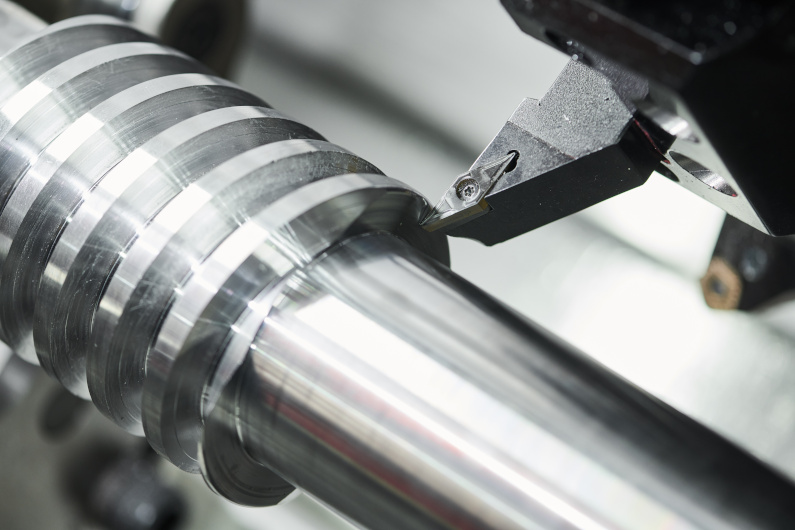
Once the steel has been processed through rolling, annealing, and descaling, it is cut to precise dimensions and shapes. This can involve mechanical cutting methods such as shearing, slitting (for coils), plasma cutting, or laser cutting, depending on the thickness and desired precision. The goal is to produce specific lengths, widths, and forms required by customers.
Surface Finishing
The surface finish is a critical aspect of stainless steel, impacting both its aesthetic appeal and its functional performance, such as cleanability. Various surface finishes can be applied, ranging from dull to highly reflective. Common methods include mechanical polishing, brushing, grinding, and specialized rolling techniques. These finishes are crucial for specific applications; for instance, a highly polished, smooth surface is preferred for sanitary applications in food and medical industries, while a brushed finish might be chosen for architectural elements.
Product Forms
The outcome of this comprehensive production process is a diverse range of finished stainless steel products. These include flat products like sheets, strips, and coils, as well as long products such as bars, rods, wires, and tubes. Each form is engineered for specific applications, contributing to the broad utility of stainless steel across virtually all sectors of modern industry. Many of these diverse forms can be explored under general Materials categories.
Sustainability and the Future of Stainless Steel
Stainless steel stands out as a highly sustainable material. A significant portion of its production relies on recycled scrap, and at the end of its long service life, stainless steel is considered 100% recyclable, allowing it to be re-melted and reused indefinitely without degradation of its properties. This inherent recyclability contributes significantly to resource conservation and a reduced environmental footprint, cementing its role in sustainable development initiatives worldwide. The continuous efforts in process optimization and advanced metallurgical techniques aim to further enhance the efficiency and environmental performance of its production.
Frequently Asked Questions
How is stainless steel made step by step?
Stainless steel production involves melting raw materials, including recycled scrap and alloying elements like chromium and nickel, in an electric arc furnace. The molten metal is then refined in an Argon Oxygen Decarburization (AOD) vessel to achieve a precise chemical composition. Next, it's continuously cast into semi-finished forms, followed by hot rolling and forging to shape the material. The steel then undergoes annealing (heat treatment) to soften it and relieve stress, and descaling (e.g., pickling) to remove surface oxides. Finally, it is cut and finished to the desired dimensions and surface appearance.
What raw materials are used to make stainless steel?
The primary raw materials for stainless steel production are recycled stainless steel scrap, along with virgin alloying elements such as chromium, nickel, molybdenum, and other ferro alloys. These components are carefully measured and combined to achieve the specific chemical composition required for different grades of stainless steel, each with unique properties.
Why is annealing important in stainless steel production?
Annealing is crucial in stainless steel production because it relieves internal stresses that accumulate during the mechanical shaping processes like rolling and forging. This heat treatment softens the material, restores its mechanical properties such as ductility and formability, and refines its grain structure, making the steel easier to process further and suitable for its intended application.
What is the purpose of pickling and passivation?
Pickling is a surface treatment that uses acid solutions, often containing nitric and hydrofluoric acids, to remove an oxide layer (scale) that forms on stainless steel during high-temperature processes like annealing. Passivation, often using nitric acid, then enhances the quality and thickness of the naturally occurring protective chromium-oxide layer on the surface, significantly improving the steel's corrosion resistance. Both processes are critical for the material's performance and appearance, although neither effectively removes grease or oil.
