
Precision Sheet Metal Fabrication for UAV Airframes: Design and Material Innovations (2026-11-26)
The realm of Unmanned Aerial Vehicles (UAVs) has expanded dramatically, moving beyond specialized military roles to encompass a vast array of commercial and scientific applications. From package delivery and infrastructure inspection to precision agriculture and environmental monitoring, UAVs are continually pushing boundaries. However, achieving superior performance in areas like flight endurance, payload capacity, and operational reliability hinges critically on the underlying structure of these aerial platforms: their airframes. This often presents a knowledge gap for many: how are these complex, lightweight, yet robust structures precisely brought into existence?
The answer frequently involves specialized manufacturing techniques, particularly UAV airframe sheet metal fabrication. While the fundamental principles of shaping metal sheets might seem straightforward, the demands of airborne systems elevate these processes to an art form requiring extreme precision, advanced material science, and sophisticated design methodologies. Unlike general sheet metal applications, UAV airframes require components that are not only dimensionally accurate but also possess specific strength-to-weight ratios, fatigue resistance, and environmental durability to perform reliably in dynamic flight conditions.
The Evolving Landscape of UAVs and Airframe Demands
The versatility of modern UAVs is astounding. Fixed-wing drones can cover vast distances for mapping, while multi-rotor systems offer unparalleled agility for close-range inspection. This diversity in application translates directly into diverse airframe requirements. An inspection drone carrying sensitive sensors needs a vibration-dampening, rigid structure, while a long-endurance surveillance drone demands an exceptionally lightweight design to maximize flight time.
Traditional manufacturing approaches, designed for less demanding applications, often fall short when confronted with these unique UAV challenges. Standard fabrication might produce parts that are too heavy, lack the necessary structural integrity, or fail to meet the tight aerodynamic tolerances required for efficient flight. The airframe is more than just an enclosure; it's an integrated system where every gram and every micron contributes to or detracts from overall performance.
Critical Material Considerations for UAV Airframes
The choice of material is fundamental to the success of a UAV airframe. Manufacturers must select alloys that offer an optimal balance of strength, stiffness, and ductility while minimizing weight. The goal is to withstand operational stresses—including shock, vibration, and varying temperatures—without compromising the aircraft's agility or load-bearing capacity.
When considering options for UAV airframe sheet metal fabrication, several material families are typically explored:
- Aluminum Alloys: Widely used in aerospace due to their excellent strength-to-weight ratio and corrosion resistance. Different alloys offer varying properties, with some providing higher strength and others better formability.
- Titanium Alloys: Known for their exceptional strength, rigidity, and resistance to corrosion and high temperatures. While heavier and more costly than aluminum, titanium is chosen for high-stress areas or where elevated temperatures are a concern.
- Steels: Certain high-strength steels, like specific grades of alloy steels (e.g., Steel 1018 for certain applications or other specialized aerospace steels), can be used where extreme rigidity and strength are paramount, often in smaller, critical components, despite their higher density. For a broader look at suitable options, consider exploring various Sheet Metal Materials.
- Nickel Alloys and Copper Alloys: These are less common for primary airframe structures but can be critical for specialized components within the UAV, such as those requiring specific thermal or electrical conductivity properties.
Understanding the specific properties of these materials—such as yield strength, ultimate tensile strength, fatigue limits, and thermal expansion—is crucial during the design phase. A material that is too heavy reduces flight endurance, while one that lacks sufficient strength can lead to structural failure under operational loads.
Advanced Fabrication Processes for Precision UAV Components
Crafting UAV airframes demands manufacturing processes that can translate intricate designs into physical reality with virtually no margin for error. This is where advanced sheet metal fabrication techniques come into play, offering the ability to create complex geometries, tight tolerances, and consistent quality across production runs. For a foundational understanding of the field, readers might find it helpful to review What Is Sheet Metal Fabrication.
Key processes involved in precision UAV airframe sheet metal fabrication include:
- CNC Laser Cutting: Computer Numerical Control (CNC) laser cutting provides extreme precision and clean edges, essential for intricate airframe components. It allows for highly complex shapes to be cut from sheet stock with minimal material waste and high repeatability.
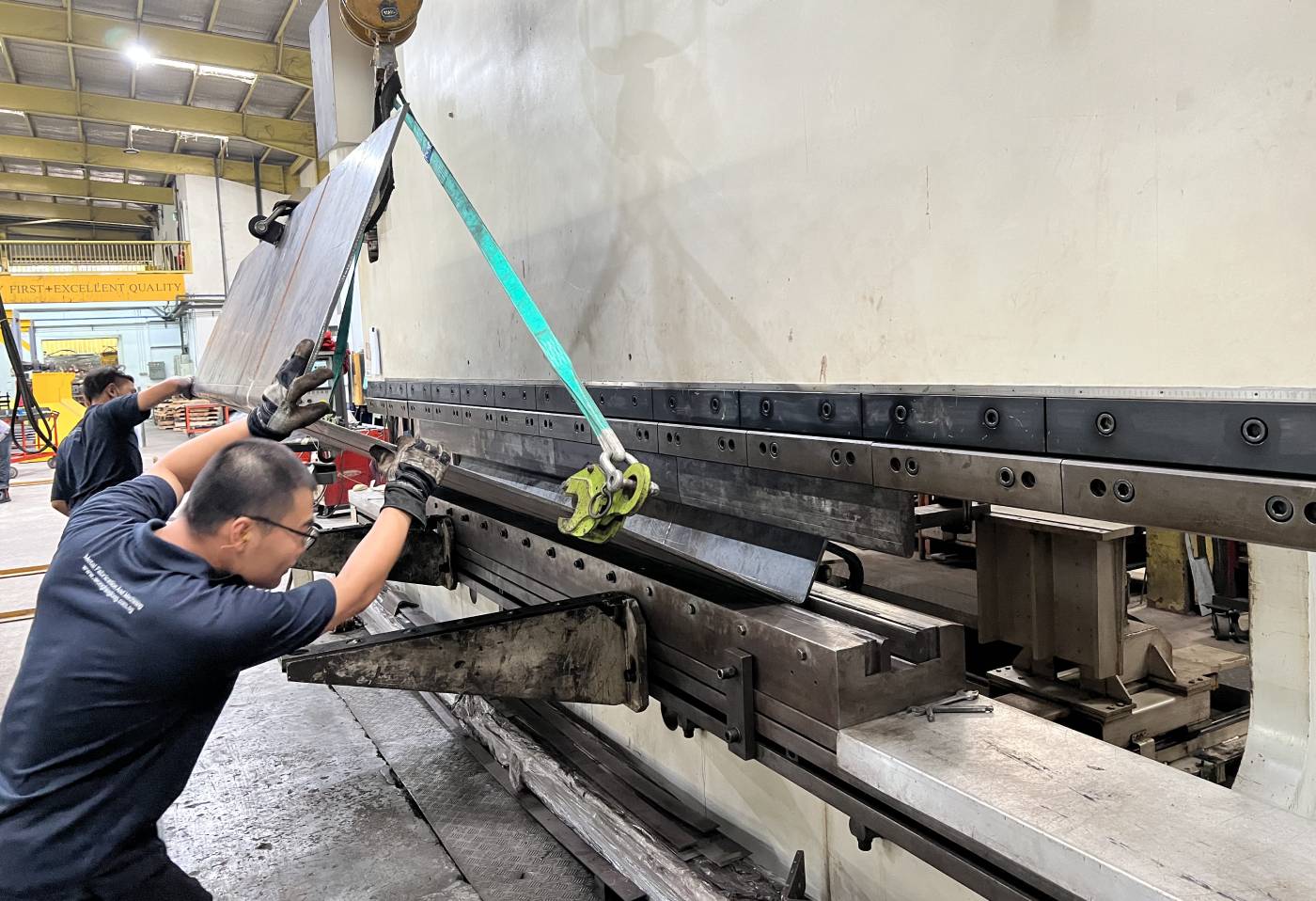
- CNC Bending and Forming: Precision bending machines, often CNC-controlled press brakes, are used to create the specific angles and curves required for aerodynamic profiles and structural integrity. This process maintains tight tolerances to ensure that components fit together perfectly during assembly.
- Welding: Various welding techniques, such as TIG (Tungsten Inert Gas) or laser welding, are employed to join sheet metal components. The choice of welding method depends on the material, thickness, and required joint strength, with careful consideration given to minimizing heat-affected zones and distortion.
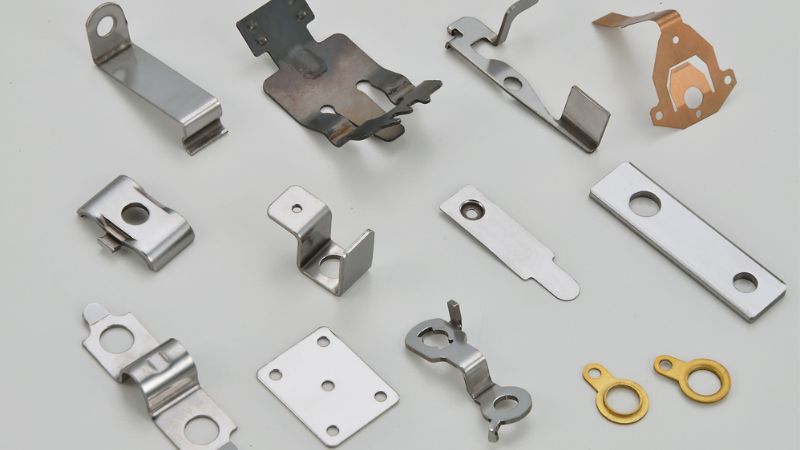
- Stamping and Punching: For high-volume production of specific, repeatable components, stamping and punching can be utilized. These methods create parts rapidly and cost-effectively, maintaining consistent dimensions.
- Surface Treatment and Finishing: After fabrication, components often undergo various surface treatments, such as anodizing for aluminum or passivation for stainless steels. These treatments enhance corrosion resistance, improve fatigue life, and prepare surfaces for bonding or painting.
- Rapid Prototyping: The ability to quickly produce prototypes is invaluable in UAV development. Advanced fabrication services often offer rapid prototyping capabilities, allowing designers to test and iterate designs swiftly before committing to full-scale production.
These advanced processes, supported by sophisticated machinery and skilled operators, enable the creation of lightweight, strong, and aerodynamically efficient airframe components.
Designing for Success: Customization and Structural Optimization
The performance requirements of UAVs are so specific that "off-the-shelf" solutions rarely suffice. This necessitates a high degree of customization in the design and fabrication of airframe components. Each part is tailored to its precise function within the overall airframe structure, optimizing its contribution to the UAV's mission.
For instance, a section of the airframe designed to mount a heavy camera system might require localized strengthening or specific material considerations to manage stress concentrations effectively. Conversely, a section not bearing significant load might be optimized for minimum weight. This tailored approach ensures that every gram of material serves a purpose, preventing unnecessary weight that could detract from flight endurance or payload capacity.
Structural optimization tools, particularly Finite Element Analysis (FEA), play a crucial role. FEA is a computational method that allows engineers to simulate how a design will react to real-world forces, heat, and vibration. By running these simulations, designers can identify potential stress points, optimize material distribution, and validate structural integrity before physical prototypes are even built. This iterative process helps to:
- Minimize Weight: By removing excess material from non-critical areas.
- Enhance Strength: By reinforcing areas subject to high stress.
- Improve Stiffness: To reduce unwanted flex and vibration, crucial for sensor stability.
- Validate Design: Ensuring compliance with performance and safety standards.
This meticulous design and optimization process ensures that the fabricated sheet metal components collectively form an airframe that is robust, reliable, and perfectly suited for its intended operational environment.
Ensuring Quality and Meeting Industry Standards in UAV Manufacturing
The stringent demands of the aerospace sector, even for unmanned aircraft, necessitate rigorous quality control throughout the entire manufacturing pipeline. For any advanced Sheet Metal Fabrication Service, consistency and precision are paramount, but for UAVs, they are non-negotiable. Quality control in UAV airframe fabrication involves:
- Material Verification: Ensuring that incoming raw materials meet exact specifications.
- In-Process Inspections: Regular checks during cutting, bending, and welding to maintain dimensional accuracy and structural integrity.
- Post-Fabrication Testing: Comprehensive testing of finished components for dimensions, surface finish, and sometimes material properties.
- Traceability: Maintaining detailed records of every step, from raw material batch to final inspection, to ensure accountability and enable rapid issue resolution.
Beyond internal quality protocols, adherence to recognized industry standards is vital. While specific aerospace certifications often apply, a strong foundation in general quality management principles ensures reliable and repeatable results. Manufacturers with a proven track record of precision, coupled with advanced technological capabilities, are typically sought after by UAV developers. Collaborative design and manufacturing partnerships are increasingly important, enabling shared expertise and fostering innovation to push the boundaries of what UAV airframes can achieve.
Moving Forward in UAV Airframe Innovation
The evolution of UAV technology continues at a rapid pace, driven by advancements in autonomy, sensor technology, and power systems. These advancements, in turn, place ever-greater demands on airframe design and manufacturing. Understanding the intricate balance between material science, precision fabrication, and optimized design is key to appreciating how these aerial platforms are built.
For those involved in UAV development or interested in advanced manufacturing, exploring the specific challenges and innovative solutions within precision sheet metal fabrication offers valuable insights. The next steps might involve delving deeper into specific alloy characteristics, investigating novel joining techniques, or examining how additive manufacturing (3D printing) is beginning to complement traditional fabrication methods in hybrid airframe designs. The journey toward lighter, stronger, and more capable UAV airframes is an ongoing testament to engineering ingenuity.
