
Mastering Complex Geometries: Advanced Sheet Metal Bending Techniques for Precision Fabrication (As of 2026-11-14)
The process of transforming flat sheet metal into intricate three-dimensional components is a cornerstone of modern manufacturing, underpinning industries from aerospace to automotive. While simple 90-degree bends might appear straightforward, the real challenge arises when engineers and designers demand complex geometries—shapes with multiple angles, varying radii, and tight tolerances that push the boundaries of conventional methods. Achieving these sophisticated designs requires a deep understanding of material behavior, advanced tooling, and cutting-edge technology. This article delves into the sophisticated world of advanced sheet metal bending techniques, exploring the mechanisms and applications that enable the creation of highly complex and precise parts.
Navigating the complexities of sheet metal bending can often seem like an exercise in compromise: sacrificing design intricacy for manufacturability, or battling material inconsistencies to hit precise specifications. The gap between a visionary CAD model and a perfectly formed physical component is often bridged by specialized knowledge and refined techniques. Understanding how these advanced methods manipulate metal at a fundamental level is key to unlocking designs previously deemed impossible.
The Foundation of Form: Understanding Precision Sheet Metal Bending
Sheet metal bending, at its core, involves applying force to deform a flat sheet into an angular shape. However, in the realm of complex geometries, this process transcends simple folding. It becomes a meticulous operation demanding foresight into material properties and the mechanics of deformation. The outcome must be consistent, repeatable, and meet stringent dimensional accuracy requirements.
The behavior of sheet metal during bending is influenced by several critical factors:
- Material Type: Different metals—such as aluminum, various grades of steel, copper, or brass—exhibit distinct yield strengths, tensile strengths, and ductility. These properties dictate how much force is required to bend them and how they will respond to tooling. For instance, specific alloys like 1018 steel offer a balance of formability and strength often desired in demanding applications. You can learn more about materials like Steel 1018 and Alloy Steel for their unique characteristics.
- Sheet Thickness (Gauge): Thicker sheets require greater force and often larger bend radii to prevent cracking.
- Bend Radius and Angle: The desired radius and angle directly influence tool selection and machine setup. Achieving very small radii can be particularly challenging, as it pushes the material to its elastic and plastic limits.
- Springback: A phenomenon where the metal slightly "springs back" after the bending force is removed, due to its elastic memory. Compensating for springback is crucial for achieving accurate bend angles and is a primary consideration in advanced bending.
Precision in modern fabrication is not merely a desirable trait; it is often a regulatory and functional requirement. Components in industries like aerospace or medical devices must adhere to tolerances that can be as fine as fractions of a millimeter. This necessitates bending techniques that offer unparalleled control and predictability.
Key Advanced Bending Techniques for Intricate Shapes
Achieving complex geometries requires moving beyond basic air bending or bottoming. Specialized techniques, often augmented by advanced machinery, allow for the formation of multiple bends, tight curves, and custom profiles.
Press Brake Forming for Versatile Complexity
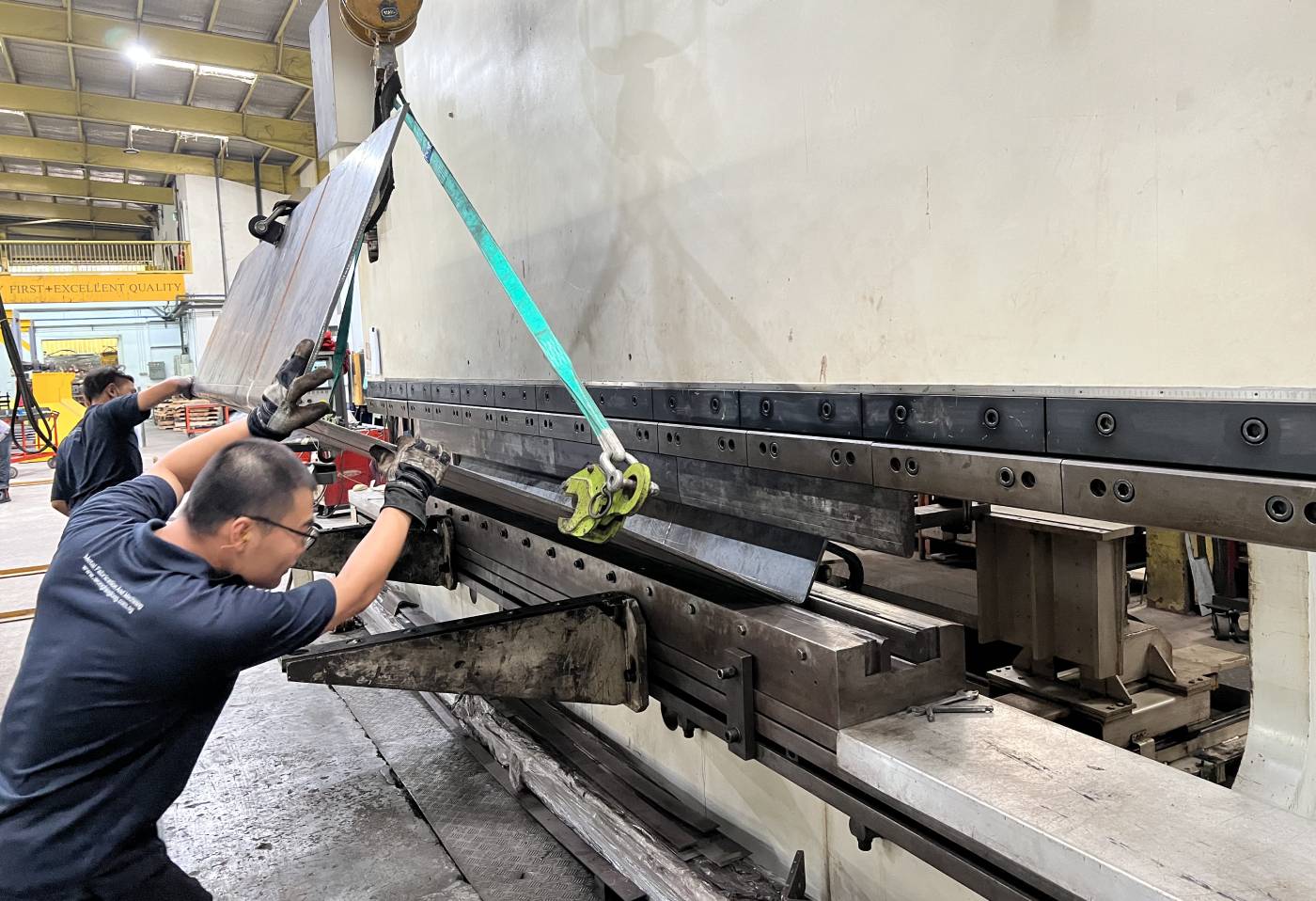
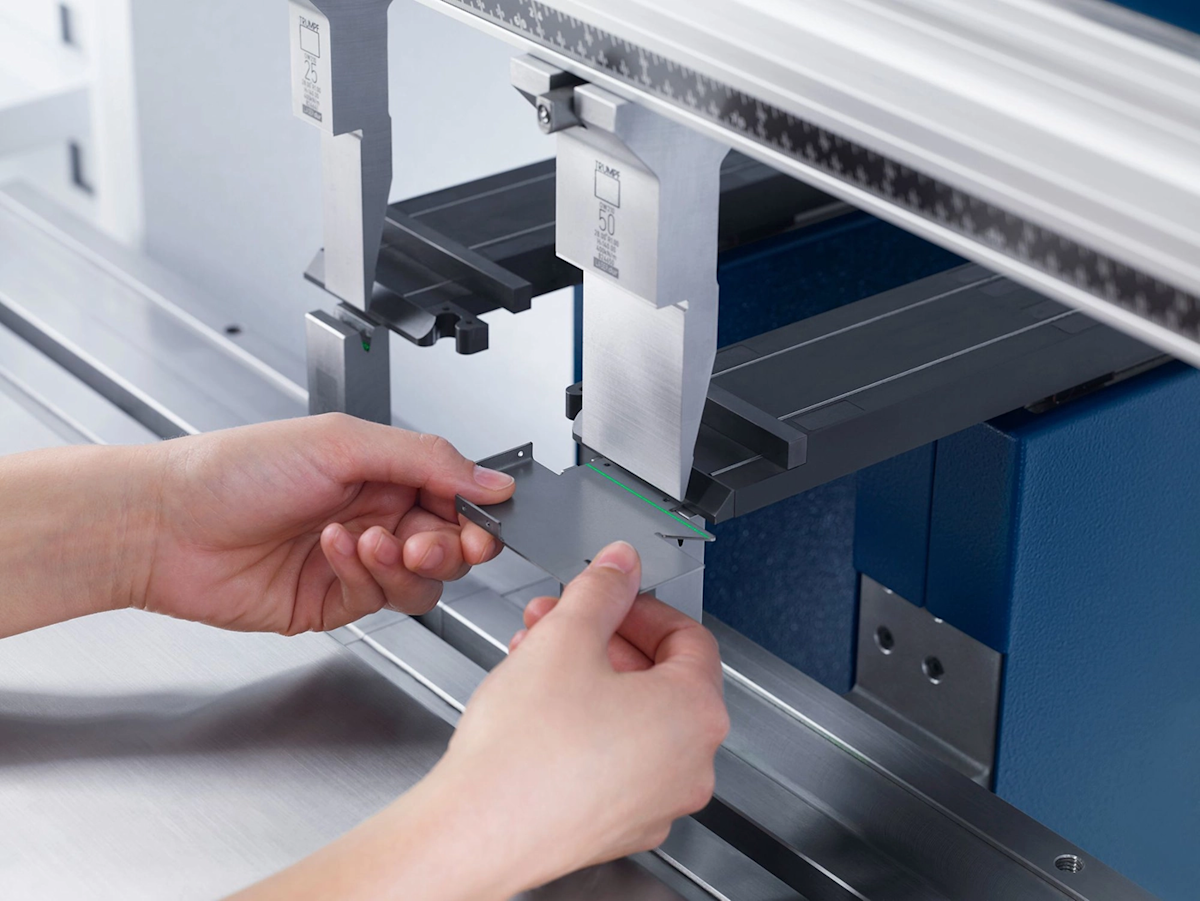
Press brake forming remains a workhorse in sheet metal bending, but its advanced applications involve more than just straight bends. This technique uses a punch to press a sheet into a die. For complex parts, multi-axis press brakes can perform a sequence of bends on different planes. While suitable for a range of parts, from simple to moderately complex, achieving high precision in intricate designs requires careful tool selection and sequencing.
- V-bending: The most common form of press brake bending, using V-shaped punches and dies to create angular bends. For complex parts, this might involve progressive V-bends to achieve a desired profile.
- U-bending: Similar to V-bending but utilizing U-shaped punches and dies to create channels or U-sections in the material. This is essential for components that require a specific depth and parallel sides.
The key to unlocking complexity with press brakes often lies in programmable backgauges and advanced control systems that allow for precise positioning and repeatable bends, even for parts with numerous sequential operations.
Exploring Rotary Draw Bending for Continuous Curves
When intricate, continuous curves or tubular sections are required, rotary draw bending often becomes the method of choice. This technique is particularly adept at producing shapes like U-sections or C-sections with consistent radii, often critical in automotive frames and structural components.
In rotary draw bending, the sheet metal (or tube) is clamped to a rotating die, and a pressure die holds the material against the main die. A wiper die may also be used to prevent wrinkling on the inside radius. This coordinated movement "draws" the material around the rotating die, creating a smooth, uninterrupted curve. Unlike press brake bending, which forms discrete angles, rotary draw bending excels at producing flowing, organic shapes.
Leveraging Technology for Enhanced Accuracy and Efficiency
The leap from conventional bending to advanced methods for complex geometries is significantly driven by technological integration. Digital tools and automation are not merely conveniences; they are indispensable for achieving the precision and repeatability demanded by modern designs.
The Power of CAD Software in Design and Simulation
Computer-Aided Design (CAD) software, such as AutoCAD or SolidWorks, is fundamental to the entire process. Before any metal is cut or bent, CAD allows engineers to:
- Model Complex Geometries: Create precise 3D models of the final part, including all bends, radii, and features.
- Unfold Patterns: Automatically generate a flat pattern from the 3D model, accurately calculating bend deductions and allowances to account for material stretching and compression during bending.
- Simulate Bending Operations: Advanced CAD/CAM (Computer-Aided Manufacturing) packages can simulate the entire bending sequence. This allows designers to:
- Identify potential collisions between the workpiece and the machine or tooling.
- Predict springback and make compensatory adjustments to bend angles in the program.
- Optimize tool selection and bending order for efficiency and accuracy.
- Verify manufacturability before committing to physical prototypes.
This simulation capability significantly reduces trial-and-error, saving material and time. According to industry reports, the use of digital tools and CAD software can enable controlled tolerances often down to ±0.1mm, depending on the material and specific setup, showcasing their impact on precision.
Automation and Robotic Press Brakes: Boosting Productivity
Manual bending, even with skilled operators, has inherent limitations in speed and consistency, especially for complex, repetitive tasks. Automated systems, particularly robotic press brakes, address these challenges directly.
- Increased Throughput: Robots can load, bend, and unload parts continuously and at high speeds. Industry estimates suggest that implementing automated systems like robotic press brakes can increase overall productivity by 25-30% compared to purely manual operations for suitable part types.
- Enhanced Consistency: Robots perform bends with unwavering precision, eliminating human variability. This ensures that every part in a batch is identical, crucial for high-volume manufacturing of complex components.
- Reduced Human Error: Automating repetitive tasks minimizes the risk of mistakes, improving overall quality and reducing scrap.
- Complex Tooling Management: Advanced robotic systems can even manage complex tooling changes automatically, allowing for seamless transition between different bend setups.
The integration of digital tools with automated machinery creates a streamlined production environment where designs move from virtual models to physical parts with exceptional accuracy and efficiency.
Material Selection, Quality Control, and Common Challenges
The success of advanced sheet metal bending hinges not only on the chosen technique and technology but also on a thorough understanding of materials and a rigorous commitment to quality.
Matching Materials to Application
Selecting the correct material is paramount. Each metal offers a unique combination of properties crucial for specific applications:
- Aluminum: Known for its lightweight nature, excellent corrosion resistance, and good formability. Ideal for aerospace and automotive applications where weight is a critical factor.
- Steel: Offers high strength, durability, and versatility. Various grades, from low carbon to high-strength alloy steels, provide a spectrum of mechanical properties. The specific grade of steel significantly impacts its bendability and springback characteristics.
- Copper: Highly conductive, malleable, and corrosion-resistant. Valued in electrical components and architectural applications.
- Brass: An alloy of copper and zinc, known for its good workability, acoustic properties, and attractive appearance.
Understanding the material's elastic modulus, yield strength, and elongation percentage is crucial for predicting its behavior during complex bending operations.
The Criticality of Quality Control
For complex geometries, quality control is not an afterthought; it is an integral part of the process. Incorrect forming can lead to a finished product that falls short of specifications, impacting functionality, aesthetics, and even safety. Quality control measures ensure:
- Dimensional Accuracy: Verifying that bend angles, radii, and overall dimensions match the design specifications.
- Surface Finish Integrity: Ensuring no cracks, scratches, or excessive thinning occur during bending, which could compromise the part's strength or appearance.
- Material Property Retention: Confirming that the bending process has not overly stressed or work-hardened the material in a way that would negatively affect its performance.
Advanced metrology tools, such as optical scanners and coordinate measuring machines (CMMs), are often employed to rapidly and accurately inspect complex bent parts against their digital models.
Introduction to Challenges in Complex Bending
Even with advanced techniques, inherent challenges persist when forming complex geometries:
- Springback Variation: Material properties can vary slightly even within the same batch, leading to inconsistent springback. Managing this requires sophisticated compensation algorithms or specialized tooling.
- Material Thinning: Bending, especially tight radii, can cause localized thinning of the material, which might compromise structural integrity if not accounted for in design.
- Tooling Collisions: As designs become more intricate, the risk of the workpiece colliding with the press brake's frame, dies, or punches during sequential bends increases. CAD simulations are vital to mitigate this.
- Multi-Bend Interaction: Each successive bend can influence the stress distribution and springback of previous bends, requiring a highly optimized bending sequence.
Getting Started: Exploring Advanced Bending
For individuals or teams looking to deepen their expertise in advanced sheet metal bending, understanding the foundational principles is the critical first step. While the technical specifics can be daunting, a structured approach to learning can demystify the process.
Begin by familiarizing yourself with the core mechanics of material deformation and the physics of springback. Explore resources that detail the properties of various metals and how they respond to different bending forces. Many industry associations and educational institutions offer courses and technical guides, often available as advanced sheet metal bending techniques PDFs, that provide comprehensive overviews and practical insights. Engaging with these resources can build a strong theoretical base before delving into hands-on application.
Charting Your Path Forward
The landscape of advanced sheet metal bending techniques is continually evolving, driven by innovations in materials science, digital engineering, and automation. For manufacturers and designers, mastering these sophisticated methods is not just about producing parts; it is about expanding the realm of what's possible, creating designs with unprecedented complexity and precision.
To truly leverage these capabilities, you might consider engaging with experts who specialize in these advanced techniques. They can offer insights into the most appropriate methods for your specific project, optimize designs for manufacturability, and ensure that the final product meets your exact specifications. The journey into advanced sheet metal bending is one of continuous learning and adaptation, promising to unlock new levels of design freedom and manufacturing excellence.
