

Mastering Stainless Steel Fabrication: Current Challenges & Solutions for 2026
Stainless steel, a family of iron-based alloys renowned for its corrosion resistance, strength, and aesthetic appeal, is a ubiquitous material across countless industries—from medical devices and architectural structures to food processing equipment and chemical tanks. Its unique properties, primarily derived from a minimum of 10.5% chromium content which forms a self-repairing passive oxide layer, make it exceptionally durable. However, these very characteristics that grant stainless steel its advantages also introduce a distinct set of complexities during the fabrication process.
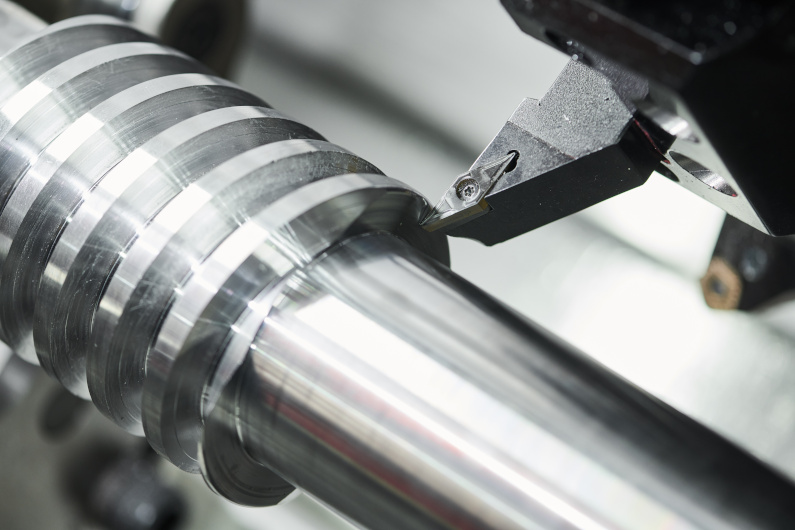
For those new to the field or accustomed to working with more forgiving materials like mild steel, the inherent metallurgical and mechanical behaviors of stainless steel can present significant hurdles. Understanding these common stainless steel fabrication challenges is the first step toward developing effective strategies to overcome them. This article delves into the critical difficulties encountered in fabricating stainless steel and explores current solutions that ensure high-quality, durable, and compliant outcomes.
The Intricacies of Stainless Steel Fabrication: An Overview
At its core, stainless steel fabrication involves manipulating the material through various processes such such as cutting, bending, forming, and welding to create a finished product. Unlike many other metals, stainless steel's high strength, work hardening tendency, and low thermal conductivity demand specialized techniques and equipment. When these specific material properties are not fully accounted for, the risk of material damage, dimensional inaccuracies, and compromised structural integrity significantly increases.
The selection of the appropriate stainless steel grade is paramount. For instance, while general-purpose grades like 304 are common, environments requiring superior corrosion resistance, such as those exposed to chlorides, often necessitate grades like Stainless Steel 316L. A thorough understanding of a project’s specific environmental conditions, mechanical requirements, and intended lifespan is critical, often requiring consultation with material specialists. Incorrect material selection can lead to premature failure, regardless of fabrication quality.
Navigating Material Selection and Precision: Common Stainless Steel Fabrication Challenges
Achieving high precision is non-negotiable in stainless steel fabrication, where even minor deviations can lead to significant issues. The journey from raw material to a finished component is fraught with potential pitfalls related to material characteristics and the accuracy of initial processes.
Choosing the Right Grade: A Foundational Challenge
The diverse family of stainless steels, including austenitic, ferritic, martensitic, and duplex types, each possesses unique mechanical properties and corrosion resistance profiles. Selecting the correct grade is one of the most fundamental stainless steel fabrication challenges. An incorrect choice can lead to:
- Premature Corrosion: Using a grade with insufficient corrosion resistance for the operational environment.
- Mechanical Failure: Selecting a grade that cannot withstand the required stress, temperature, or wear.
- Fabrication Difficulties: Certain grades, like some duplex stainless steels, are harder to form or weld due to their higher strength and unique microstructure.
Solution: A comprehensive material selection process, informed by detailed project specifications, environmental conditions (e.g., exposure to chemicals, temperature, pressure), and mechanical demands, is essential. Utilizing material specialists or engineering consultants can help navigate the complexities of different alloys. Modern selection software can also aid in optimizing choices based on performance criteria and cost-effectiveness.
Maintaining Dimensional Accuracy and Cutting Precision
Stainless steel’s robust nature means it resists deformation, but it also means errors in initial cutting and forming are difficult and costly to correct. Issues like burring, localized hardening, or inaccurate dimensions can arise.
Problem Areas:
- Cutting Accuracy: Inaccurate cuts lead to misfit components, requiring rework or material wastage.
- Forming Challenges: Stainless steel's high yield strength and work-hardening tendencies mean it requires more force to bend and form than alloy steel or carbon steel. This can lead to spring-back, where the material returns partially to its original shape after bending, making it difficult to achieve precise angles.
- Surface Finish Damage: Handling and processing can scratch or mar the surface, which is problematic for aesthetic applications and can compromise the passive layer.
Solution: Investing in advanced cutting technologies such as CNC laser, plasma, or waterjet cutting significantly enhances precision and reduces waste. These methods minimize heat input, preventing distortion and maintaining the material's integrity. For forming, using robust press brakes with appropriate tooling and experienced operators who understand spring-back allowances is crucial. Implementing strict quality control protocols, including double-checking measurements, and providing comprehensive training for the workforce on specific handling and processing techniques for stainless steel can mitigate many of these issues.
Overcoming Welding Complexities and Heat Distortion
Welding is often a cornerstone of stainless steel fabrication, but it introduces a distinct set of metallurgical and mechanical challenges that can compromise both the aesthetics and the structural integrity of the final product.
The Metallurgy of Welding Stainless Steel
The primary issue in welding stainless steel stems from its unique thermal properties—lower thermal conductivity and higher thermal expansion compared to carbon steels. This often leads to localized overheating and significant internal stresses during the welding process.
Specific Welding Problems:
- Sensitization: For certain stainless steel grades (especially those with higher carbon content), prolonged exposure to high temperatures (450-850°C) during welding can cause chromium carbides to precipitate at grain boundaries. This depletes chromium in adjacent areas, making them susceptible to intergranular corrosion.
- Hot Cracking: Occurs during solidification of the weld metal, often due to impurities or incorrect filler metal selection.
- Weld Distortion: Uneven heating and cooling cycles during welding cause the material to expand and contract, leading to warping and deformation. This is particularly challenging for thin-gauge materials or large structures.
- Loss of Corrosion Resistance: Improper welding techniques can damage the passive layer, leading to localized corrosion or "sugaring" (oxidation) on the back side of the weld.
Solution: Employing skilled, certified welders experienced specifically with stainless steel is paramount. Selecting appropriate welding techniques, such as TIG (Tungsten Inert Gas) or MIG (Metal Inert Gas) with pulse features, helps control heat input. Using low-carbon grades (e.g., 304L, 316L) or stabilized grades (e.g., 321, 347) can prevent sensitization. Pre- and post-weld treatments, such as controlled cooling or solution annealing, can also mitigate some metallurgical issues. The selection of correct filler metals, which often match or slightly over-alloy the base metal in terms of chromium content, is crucial for maintaining weld integrity and corrosion resistance.
Managing Heat Input and Shrinkage
Heat-induced distortion is one of the most visible and frustrating stainless steel fabrication challenges. As the weld metal cools, it shrinks, pulling the surrounding material and causing warpage. This shrinkage, which is an inherent property of stainless steel during welding and subsequent cooling, demands precise initial measurements and intelligent adjustments to ensure the final product meets exact specifications.
Solution: Minimizing heat input during welding is key. This can be achieved through techniques like skip welding, back-step welding, or using jigs and fixtures to restrain movement. Employing pulse welding, which cycles between high and low current, can reduce overall heat. For large components, pre-setting or pre-bending the material in the opposite direction of expected distortion can compensate for shrinkage. Gas purging on the back side of the weld (for TIG welding) prevents oxidation and maintains the passive layer, reducing the need for post-weld cleaning and improving corrosion resistance.
Project Management, Logistics, and Regulatory Compliance in Stainless Steel Fabrication
Beyond the hands-on technical difficulties, managing the broader aspects of stainless steel fabrication—from timelines to legal requirements—presents its own set of challenges that can significantly impact a project's success.
Meeting Deadlines and Cost Control
The specialized nature of stainless steel fabrication often means longer lead times for materials, more complex processing steps, and the need for highly skilled labor. These factors can contribute to project delays and cost overruns if not meticulously planned.
Solution: Meticulous project planning from conception through delivery is critical. This includes accurate material procurement forecasting, realistic scheduling that accounts for specific fabrication steps (like multiple welding passes or post-weld treatments), and robust inventory management. Investing in automation (such as robotic welding or automated material handling) can improve efficiency, reduce labor costs over time, and ensure consistent quality, thereby helping to meet tight deadlines. Clear communication channels between all stakeholders, including designers, fabricators, and clients, are essential for managing expectations and addressing potential issues proactively.
Safe Handling and Transportation
Stainless steel, while durable, can be susceptible to surface damage, cross-contamination, and specific handling requirements, especially for larger or highly finished components.
Solution: Implementing specialized equipment for lifting and moving components, such as vacuum lifters or custom cradles, helps prevent scratches, dents, and deformation. Using protective films or wrapping for finished surfaces is crucial during storage and transportation. Furthermore, strict segregation from carbon steel and other contaminants is necessary to prevent surface iron particles from embedding, which can lead to "rust staining" or crevice corrosion, compromising the stainless steel's inherent corrosion resistance.
Adhering to Industry Standards
Stainless steel components are often used in critical applications where safety and performance are paramount. This necessitates strict adherence to a myriad of industry standards, codes, and regulations (e.g., ASTM, AWS, ISO, ASME). Non-compliance can lead to project rejection, legal penalties, and safety hazards.
Solution: Establishing a robust quality assurance (QA) system from the outset of the project is vital. This involves continuous monitoring of all fabrication processes, regular calibration of equipment, and thorough inspection and testing of materials and welds (e.g., visual inspection, dye penetrant testing, radiography, ultrasonic testing). Maintaining comprehensive documentation of all procedures, material certifications, and test results provides traceability and evidence of compliance. Employing a fabrication partner with a proven track record of adherence to relevant industry standards and certifications (e.g., ISO 9001 for quality management) can significantly mitigate this risk.
Strategies for Preserving Corrosion Resistance and Ensuring Durability
The very reason many choose stainless steel is its corrosion resistance. However, improper fabrication can compromise this crucial property, leading to premature failure.
Understanding the Passive Layer
The inherent corrosion resistance of stainless steel comes from its passive layer—a thin, stable, chromium-rich oxide film that forms naturally on its surface when exposed to oxygen. This layer acts as a barrier, protecting the underlying metal from corrosive agents. Any process that disrupts this layer, or prevents its formation, can lead to localized corrosion.
Passivation and Surface Finish
During fabrication, processes like welding, cutting, or grinding can remove the passive layer, embed foreign iron particles, or create heat tints (discoloration from oxidation) that are detrimental to corrosion resistance.
Solutions:
- Cleaning: Thorough cleaning of the fabricated surface is fundamental. This removes contaminants like grease, oil, and embedded carbon steel particles.
- Pickling: For surfaces heavily affected by heat tint or scale (common after welding), chemical pickling using acid solutions removes the surface layer, exposing fresh, unoxidized stainless steel that can then re-passivate.
- Passivation: This chemical treatment (typically with nitric acid or citric acid solutions) removes free iron from the surface and promotes the rapid formation of a protective passive layer, enhancing the material's inherent corrosion resistance. This is distinct from pickling and often follows it, especially for high-performance applications.
- Electropolishing: An electrochemical process that removes a thin layer of material from the surface, creating a smooth, highly passive, and aesthetically pleasing finish. It is particularly effective for improving corrosion resistance in crevices and complex geometries.
By meticulously managing surface treatments, fabricators can ensure the passive layer is fully restored or optimized, thereby preserving the material's long-term durability and corrosion resistance.
The Role of Expertise and Technology in Successful Fabrication
Given the multifaceted stainless steel fabrication challenges, the successful execution of projects often hinges on the integration of human expertise with advanced technological capabilities.
Skilled Workforce and Advanced Equipment
A team of highly skilled and experienced fabricators is invaluable. Their understanding of stainless steel's unique properties, coupled with proficiency in specialized techniques, allows for proactive problem-solving and precise execution. When combined with advanced equipment—such as CNC machining centers, robotic welding systems, and sophisticated inspection tools—the potential for error is significantly reduced, and efficiency is maximized. These technologies offer repeatability, precision, and speed that manual processes cannot match.
Collaboration and Quality Assurance
Effective collaboration between all parties involved, from design engineers to quality control specialists, is paramount. A comprehensive quality assurance framework, encompassing stringent material checks, in-process inspections, and final product verification, ensures that all aspects of the fabrication meet the required standards. Such a framework also facilitates adaptability to design changes or unforeseen challenges, allowing for efficient adjustments without compromising quality or schedule.
Moving Forward: Continuous Learning in Fabrication
The fabrication of stainless steel, while rewarding, presents a unique set of challenges demanding a blend of metallurgical understanding, technical skill, and precise execution. From selecting the right grade and mastering welding techniques to meticulous project management and rigorous quality control, each step is critical. As industries evolve and demand for high-performance materials grows, staying informed about the latest advancements in fabrication techniques and material science is crucial for maintaining competitiveness and delivering superior results. Continued learning, embracing new technologies, and a deep respect for the material's specific properties are essential for navigating these complexities and unlocking the full potential of stainless steel in diverse applications.
