
Designing for User Experience: Ergonomic and Aesthetic Sheet Metal Bending (Updated 2026-11-14)
Designing with sheet metal often prioritizes the fundamental goal of manufacturability: ensuring a part can be produced efficiently, cost-effectively, and without defects. Engineers and product developers meticulously consider material properties, bend radii, and tooling constraints to achieve structural integrity and production feasibility. However, a critical dimension often receives less explicit attention during the initial stages of sheet metal bending design: the human element. How will the end-user interact with this bent metal component? Does it feel comfortable, safe, and intuitive? Does its form convey quality and intentionality, or does it merely exist as a functional afterthought? This article explores the vital intersection of engineering precision and human-centric design, delving into the principles of ergonomic sheet metal bending design and the art of crafting visually appealing forms.
While the technical aspects of sheet metal bending are well-documented, a comprehensive approach requires moving beyond mere fabrication into the realms of ergonomics and aesthetics. Ignoring these aspects can lead to products that, while perfectly functional, are awkward to use, aesthetically displeasing, or even unsafe. By consciously integrating user experience (UX) principles from conception, designers can transform basic bent metal parts into integral components of a superior product experience.
The Foundational Layer: Design for Manufacturability (DFM) in Bending
Before delving into user-centric design, it is essential to acknowledge the bedrock of any successful sheet metal part: Design for Manufacturability (DFM). DFM principles guide designers in creating parts that are optimized for production, minimizing errors, reducing material waste, and streamlining assembly processes. Without a solid DFM foundation, even the most ergonomically and aesthetically pleasing design might prove impossible or prohibitively expensive to produce.
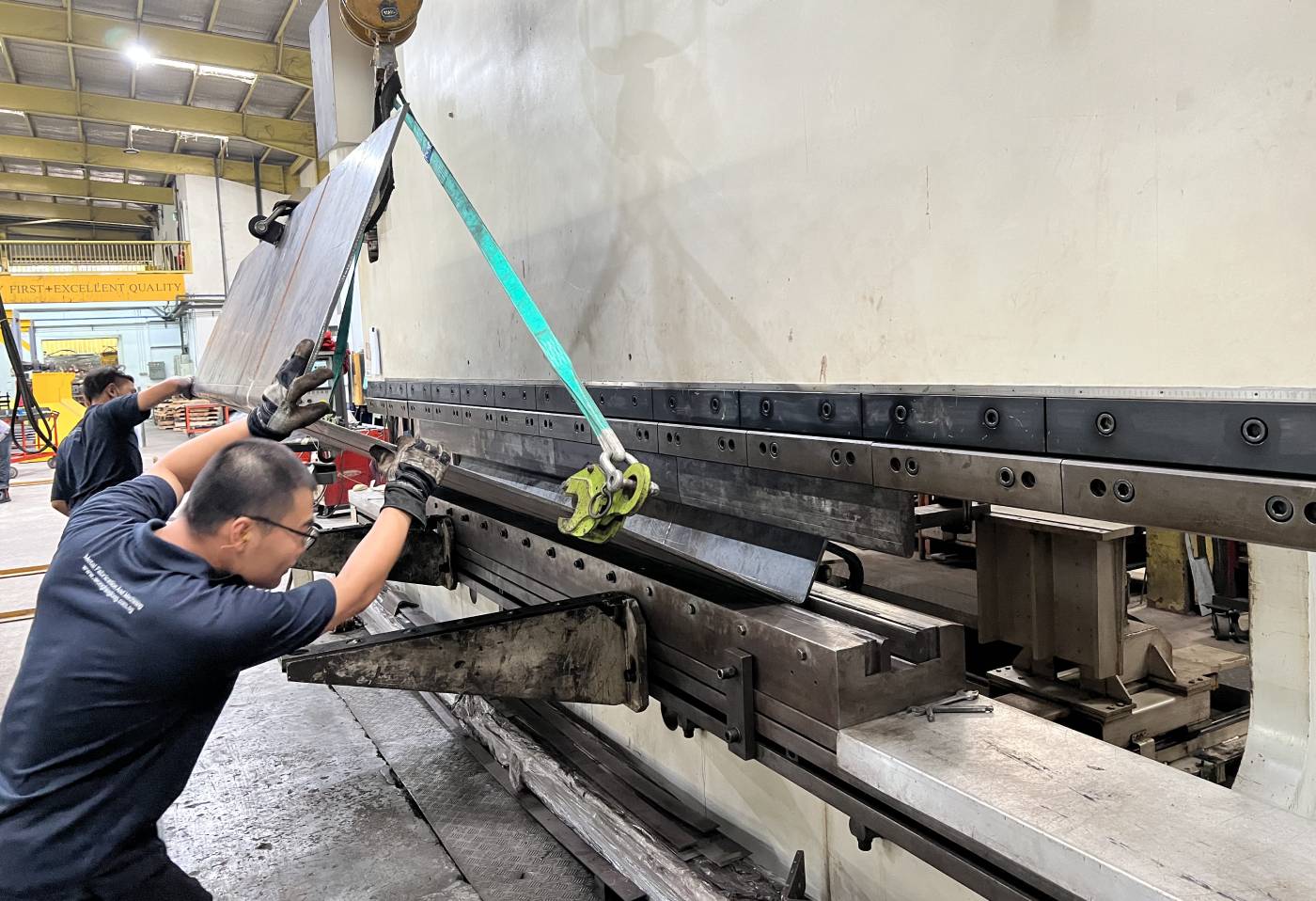
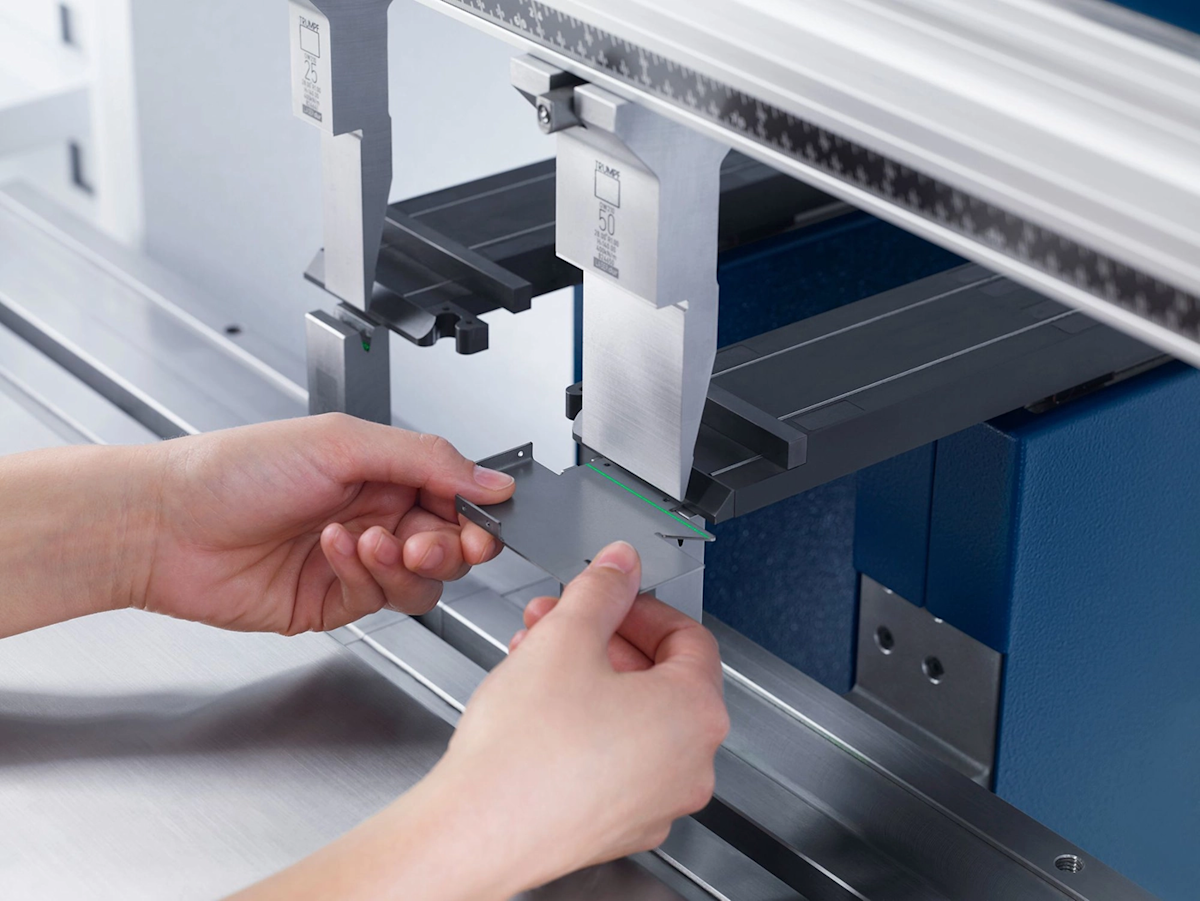
Sheet metal bending is a process of plastic deformation where a punch forces sheet metal into a die, precisely shaping it without altering its volume. This allows for the creation of various forms, such as V-shapes, U-shapes, and channels. Key technical considerations include maintaining a uniform wall thickness across the entire part, a foundational rule that simplifies tooling and ensures consistent material behavior during bending. Manufacturing capabilities typically accommodate thicknesses ranging from 0.9mm to 20mm, depending on the material and machinery involved.
Critical to accurate bending are parameters like the bend radius, bend angle, and the K-factor. The K-factor represents the location of the neutral axis within the bend, a theoretical line that neither stretches nor compresses, and is crucial for calculating the accurate flat pattern of a bent part. This factor generally falls between 0.25 and 0.50, varying with material and bending method. Consistent bend radii across a part and orienting all bends in the same direction and plane are also critical DFM rules that significantly reduce tooling complexity, setup times, and overall production costs. For those seeking deeper technical insights into these core fabrication principles, existing resources like "Sheet Metal Bending: A Buyer's Guide to Design and Fabrication" offer extensive detail.
Elevating Design: Ergonomic Considerations in Sheet Metal Bending
Once manufacturability is established, the focus shifts to the user. Ergonomics in sheet metal bending design ensures that the final product interacts harmoniously with the human body, promoting comfort, safety, and efficiency. This goes beyond simple functionality; it addresses the physical and cognitive demands placed on the user.
Considerations for an ergonomic sheet metal bending design involve several human factors:
- Grip and Interaction Points: Any part of the sheet metal intended for human contact—whether it's a handle, a button housing, or an edge—must be designed to prevent discomfort or injury. Sharp edges, often a byproduct of bending processes, are a significant ergonomic hazard. Proper deburring, grinding, or, ideally, designing with larger bend radii or rolled hems can eliminate these risks. For instance, a handle for heavy machinery fabricated from bent steel should feature generous, smooth radii where the hand will grip, distributing pressure evenly and preventing concentrated stress points.
- Repetitive Strain and Fatigue: In products that require frequent interaction, the ease of use directly impacts user fatigue. An awkwardly positioned bend or a component requiring excessive force to operate can lead to repetitive strain injuries over time. Thoughtful design of control panels, access hatches, and levers can mitigate this. For example, the angle and depth of a bent metal tray or bracket used in an assembly line should align with natural wrist and arm movements, minimizing awkward postures.
- Safety: Beyond physical discomfort, poorly designed sheet metal can pose significant safety risks. Protruding sharp corners, narrow gaps that can pinch fingers, or unstable structures resulting from inadequate bending geometry are all hazards. Integrating design elements such as outward-rolled edges for greater strength and safety, or strategic bend reliefs to prevent tearing near critical stress points, are crucial.
- Accessibility and Visibility: For products containing internal components, such as electronic enclosures or medical devices, bent sheet metal often forms the outer shell. Ergonomic design here means ensuring that access panels are easy to open and close, viewing windows are strategically placed, and internal components are visible and reachable for maintenance without excessive strain.
For example, when designing an enclosure for a server rack, the bent metal frame must accommodate easy access for IT professionals to insert and remove components. This might involve specifying certain bend geometries that allow for tool-less entry or designing robust, yet easily operable, latching mechanisms that are part of the bent metal structure itself. Using materials like Steel 1018 for structural components offers a balance of strength and formability, which can be critical for achieving both ergonomic strength and ease of access.
The Art of Form: Aesthetic Principles in Bent Sheet Metal
While ergonomics focuses on the feel and function of human interaction, aesthetics addresses the visual appeal and perceived quality of a product. Bent sheet metal, often seen as purely utilitarian, offers immense potential for elegant and sophisticated forms. Aesthetic considerations transform a functional part into a visually compelling component that reflects brand identity and product purpose.
- Consistent Radii and Lines: Just as consistent bend radii are critical for manufacturability, they are equally important for visual harmony. Uniform radii create clean, predictable lines that are pleasing to the eye. Inconsistent bends can make a product appear haphazardly assembled or poorly manufactured, even if technically functional. The choice of bend radius itself contributes to the aesthetic—a tighter radius can suggest precision and sharpness, while a larger radius can convey softness and fluidity.
- Symmetry and Balance: Human perception naturally gravitates towards symmetry and balance. In sheet metal design, this means ensuring that bends, cutouts, and features are thoughtfully mirrored or balanced to create a sense of order. Even asymmetrical designs should possess a visual weight that feels deliberate and stable.
- Surface Finish and Material Choice: The type of sheet metal (e.g., stainless steel, aluminum, various Alloy Steel grades) and its subsequent finish (brushed, polished, powder-coated) significantly impact aesthetic perception. Bending affects how light reflects off a surface, and an experienced designer will anticipate these effects. For instance, a brushed stainless steel panel with crisp, consistent bends can evoke a high-tech, minimalist aesthetic, while a powder-coated panel with softer bends might suggest warmth and accessibility.
- Hidden Fasteners and Seamless Integration: One of the hallmarks of premium product design is the absence of visible fasteners. Clever ergonomic sheet metal bending design can utilize interlocking tabs, integrated clips, or precisely bent flanges to assemble parts, creating seamless exteriors that communicate refined craftsmanship. This approach not only enhances aesthetics but can also improve product cleanliness and simplify assembly.
- Form Expressing Function: Aesthetics are not merely about decoration; they can reinforce a product's intended use. A robust, sharply bent chassis might convey durability for industrial use, while a sleek, gently curved enclosure might suggest sophistication for consumer electronics. The visual language of the bent metal directly communicates with the user before any physical interaction takes place.
Balancing Act: Integrating DFM, Ergonomics, and Aesthetics
The challenge lies in simultaneously optimizing for manufacturability, ergonomics, and aesthetics, as these goals can sometimes appear to conflict. For example, a sharp, tight bend might be aesthetically striking but difficult to manufacture consistently or uncomfortable to touch. Conversely, a large, safe bend radius might not fit within a tight spatial constraint or look clunky.
Successful integration requires a holistic design process, often involving:
- Early Collaboration: Bringing together industrial designers (focused on aesthetics and user interaction) and manufacturing engineers (focused on DFM) from the very beginning of a project is crucial. This interdisciplinary approach ensures that all aspects are considered concurrently, leading to compromises and innovations that satisfy all criteria.
- Advanced Simulation and Prototyping: Modern CAD software allows designers to simulate bending operations, predict material behavior, and even create virtual prototypes to assess ergonomic factors and visual appeal. Physical prototyping, even with simpler materials or 3D prints, can provide invaluable feedback on how a bent part feels in the hand or integrates visually with a larger assembly. This iterative process helps refine the ergonomic sheet metal bending design before committing to costly tooling.
- Material Selection with Intent: The choice of material is not solely based on strength or cost. A material's formability, its aesthetic qualities (e.g., natural finish, ability to hold paint), and its thermal conductivity (for user comfort) are all critical. Some alloys might offer superior ductility for intricate bends, while others might provide a desired surface finish without extensive post-processing.
- Tolerance Management: Understanding and specifying appropriate tolerances is vital. While tight tolerances are often associated with high quality, they can increase manufacturing costs. Designers must identify critical dimensions that impact ergonomics (e.g., gap sizes to prevent pinching) and aesthetics (e.g., consistent alignment of edges) and specify tighter tolerances only where truly necessary.
The integration of DFM, ergonomics, and aesthetics is not about sacrificing one for the other but finding a harmonious balance that elevates the overall product. For instance, a beautifully curved, ergonomically comfortable handle may require advanced CNC bending techniques and careful material selection, perhaps even utilizing services like Cnc Machining Service for precision finishing, but the resulting user satisfaction and perceived quality justify the investment.
Practical Applications: Designing for Human Interaction
Examples of thoughtful ergonomic and aesthetic sheet metal bending design are ubiquitous, though often overlooked:
- Appliance Casings: From refrigerators to washing machines, the outer shells are predominantly bent sheet metal. Smooth, rounded edges improve safety and cleaning. Consistent panel gaps and subtle curves contribute to a sleek, modern aesthetic that fits contemporary kitchens. Handles are ergonomically shaped to provide a comfortable grip, often seamlessly integrated into the door panel's bend.
- Medical Equipment Enclosures: In healthcare, ergonomics is paramount for both practitioners and patients. Equipment panels are designed for easy cleaning, smooth surfaces without sharp edges prevent snagging and injury, and intuitive layouts of controls (often formed by precisely bent metal) reduce cognitive load during critical procedures. Aesthetically, clean lines and simple forms can instill a sense of trust and professionalism.
- Office Furniture: Desks, filing cabinets, and chair frames often incorporate bent sheet metal. Ergonomic considerations include smoothly rolled edges on desk components to prevent discomfort for forearms, and stable, well-balanced structures that support proper posture. Aesthetically, a consistent design language across a furniture line, achieved through repeatable bending patterns and finishes, creates a cohesive and professional environment.
- Automotive Components: While hidden, many internal automotive components use bent sheet metal. Consider the ergonomics of a car's interior, where bent metal brackets support the dashboard, providing the right angles for buttons and screens to be easily accessible and visible to the driver. The precision of these bends directly impacts the overall fit and finish of the interior.
In each instance, the sheet metal isn't just serving a structural purpose; it's a key interface between the product and its user, influencing comfort, safety, and visual perception.
Conclusion
The journey from a raw sheet of metal to a finished product involves intricate engineering and meticulous fabrication. However, the most successful designs are those that extend beyond mere functionality, embracing the complete user experience. By integrating ergonomic sheet metal bending design principles, designers ensure products are comfortable, safe, and intuitive to use. By incorporating aesthetic considerations, they elevate the product's visual appeal, communicating quality and thoughtful craftsmanship.
The future of sheet metal design lies in this holistic approach—where manufacturability, ergonomics, and aesthetics are not separate concerns but interconnected facets of a single, unified design philosophy. For designers and engineers, the next step involves deepening their understanding of human factors engineering and exploring advanced material science and fabrication techniques that facilitate this intricate balance. This evolution promises not just more efficient production, but also more delightful and effective products for every user.
