

Mastering CNC Machining: Design Considerations for Challenging Materials Beyond Standard Alloys (As of 2026-11-16)
For engineers and product designers, the journey from concept to tangible component often involves selecting materials that offer specific performance characteristics—be it extreme strength, heat resistance, or wear properties. While common alloys like mild steel and aluminum are relatively straightforward to process using conventional methods, venturing into the realm of advanced, high-performance materials introduces a distinct set of complexities for CNC machining. The fundamental approaches that yield success with standard metals can lead to significant challenges, from rapid tool wear and poor surface finish to component failure and project delays, when applied to these more demanding substances. The core issue isn't a lack of machining capability, but rather a gap in understanding how inherent material properties fundamentally interact with the cutting process and, crucially, how design decisions can either mitigate or exacerbate these difficulties. Effectively navigating the landscape of CNC machining challenging materials requires a proactive and informed design strategy that extends far beyond merely specifying geometry.
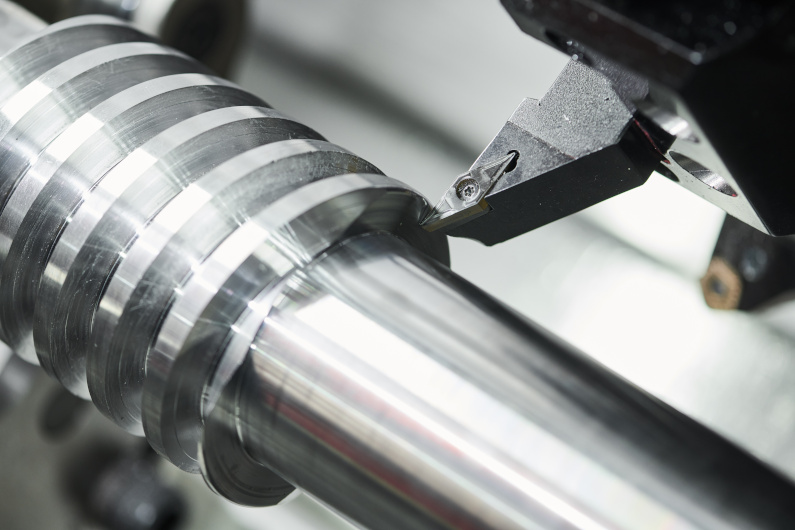
The Fundamental Shift: Why Advanced Materials Demand Different Design Approaches
The ease of machining a material is inversely proportional to its resistance to deformation and failure under stress, a property often desired in the final application. This inherent contradiction is at the heart of why certain materials pose such significant obstacles in CNC machining. Unlike more forgiving conventional metals where a wide range of cutting parameters can produce acceptable results, advanced materials often have characteristics that drastically reduce the 'machining window'—the narrow range of speeds, feeds, and depths of cut that yield successful outcomes.
Designers accustomed to working with standard alloys might instinctively focus on form, fit, and function, with manufacturability being a secondary consideration, especially regarding the specific challenges of material removal. However, when specifying advanced materials, the design itself becomes a critical determinant of machining feasibility and cost-effectiveness. A design that is perfectly viable for, say, a standard Steel 1018 component might become prohibitively expensive or even impossible to produce with a specialized alloy, not due to the machine's absolute inability to cut, but because the design places excessive demands on the material, tooling, and process.
The underlying principle here is the interplay between material science and mechanical forces. Every material possesses a unique microstructure and chemical composition that dictates how it responds to the shearing and deformation experienced during cutting. Some materials resist cutting by quickly hardening under pressure; others generate intense heat due to poor thermal conductivity, while some are simply highly abrasive. Ignoring these fundamental behaviors at the design stage is akin to designing a ship without considering the properties of water.
Understanding Material Behavior: A Design Perspective
While specific challenging materials vary widely in their exact properties, they generally present obstacles that designers must anticipate. These challenges include:
- Elevated Strength and Hardness: Materials engineered for high strength or hardness in their application state naturally resist the cutting action of tools, requiring more force and potentially leading to faster tool wear.
- Abrasiveness: Certain materials contain hard particles or phases that act like sandpaper against cutting tools, rapidly eroding their edges.
- Thermal Properties: Materials with low thermal conductivity trap heat at the cutting interface, causing tools to overheat and lose their hardness, while also potentially altering the workpiece material's integrity. Conversely, materials that soften rapidly with heat can deform unpredictably.
- Work-Hardening Tendencies: Some materials become significantly harder as they are deformed during the cutting process. If a tool cuts into an already work-hardened layer, it faces exponentially greater resistance, leading to rapid tool degradation and a poor surface finish.
- Ductility and Chip Formation: Highly ductile materials can produce long, continuous chips that are difficult to evacuate from the cutting zone. These 'stringy' chips can tangle around the tool, scratch the workpiece surface, and even lead to tool breakage.
- Chemical Reactivity: Some materials have a tendency to chemically react with cutting tool materials at high temperatures, leading to adhesion of the workpiece material to the tool (galling), which degrades tool performance and surface quality.
From a design perspective, understanding these generic material behaviors is paramount. It informs decisions about feature sizes, wall thicknesses, corner radii, and surface finish requirements. Designers must recognize that every cut into these materials is a battle against their inherent resistance, and the design must provide the most favorable battlefield possible for the cutting tool. For a deeper dive into material types, exploring resources like Materials can offer valuable context on the range of substances machinists work with.
Design for Manufacturability (DFM) with Difficult Materials
Design for Manufacturability (DFM) is always important, but it becomes absolutely critical when dealing with CNC machining challenging materials. Even small deviations from optimal design can have magnified negative impacts on cycle time, tooling cost, and part quality.
Prioritizing Simple Geometry and Features
Complexity in geometry directly translates to complexity in machining, which is intensified with difficult materials. Every change in tool direction, every varying depth of cut, introduces additional stresses and potential for issues.
- Streamlined Part Features: Whenever possible, simplify the part geometry. Avoid overly intricate designs, unnecessary curves, or non-uniform wall thicknesses that require complex multi-axis machining or frequent tool changes. Simpler designs reduce the number of individual cuts and potential areas for error.
- Minimizing Deep Pockets and Cavities: Deep pockets require long, slender tools that are prone to deflection and chatter, especially in tough materials. Designers should aim for shallower pockets and broader features when practical. If deep features are unavoidable, consider alternative manufacturing methods for initial stock removal or design features in a way that allows for staged material removal.
Wall Thickness and Aspect Ratios
Thin walls and high aspect ratio features (tall and slender) are inherently problematic in challenging materials.
- Robust Wall Thicknesses: Sufficient wall thickness provides rigidity during machining. Thin walls are susceptible to vibration and deflection, leading to chatter, poor surface finish, and accelerated tool wear. This is especially true when cutting materials that resist deformation. Designers should err on the side of thicker walls to ensure stability, or consider incorporating support structures that can be removed later.
- Lower Aspect Ratios: Features with a low height-to-width ratio are generally more stable. High aspect ratio features, such as tall fins or thin webs, are difficult to machine accurately without flexing. This can result in dimensional inaccuracies and a compromised surface finish.
Corner Radii and Internal Features
Sharp internal corners are a significant challenge for milling operations, particularly with tough materials.
- Generous Internal Radii: A tool's radius dictates the smallest internal corner it can create. When designing components from challenging materials, specifying the largest possible internal corner radii is highly recommended. Smaller radii require smaller tools, which are less rigid, wear faster, and are more prone to breakage. Large radii allow for larger, stronger tools that can handle the cutting forces more effectively.
- External Chamfers Instead of Sharp Edges: Sharp external edges can also be problematic, leading to burrs that are difficult to remove in tough materials. Chamfering or adding a small radius to external edges can improve manufacturability and part quality.
Surface Finish and Tolerance Considerations
Demanding surface finishes and tight tolerances compound the difficulty of machining challenging materials.
- Specify Only Necessary Requirements: Designers should critically evaluate the actual functional requirements for surface finish and dimensional tolerances. Over-specifying these can dramatically increase machining time, tooling costs, and the risk of scrap. Achieving very fine finishes or extremely tight tolerances often requires multiple light passes, specialized tools, and slower machining parameters, all of which are exacerbated by difficult-to-machine materials.
- Consider Post-Machining Processes: For critical features, designers might consider specifying a rough machine followed by a grinding or polishing operation rather than demanding a pristine surface directly from a milling operation, especially if the material properties make fine machining difficult.
Collaborative Design: Bridging the Gap Between Engineering and Production
One of the most crucial "design considerations" for CNC machining challenging materials isn't a geometric feature, but rather the process of collaboration. Design engineers rarely have comprehensive, real-time knowledge of the latest machining strategies, tooling advancements, or the nuances of how a specific machine setup will react to a particular alloy. Similarly, machinists often receive designs without a full understanding of the functional intent behind complex features.
- Early Engagement with Machinists: Bringing production engineers or experienced machinists into the design review process at an early stage can prevent costly errors down the line. They can identify potential manufacturability issues, suggest design modifications that simplify machining, and recommend optimal material removal strategies. This iterative feedback loop is invaluable for difficult materials.
- Leveraging Expert Cnc Machining Service Providers: For organizations new to challenging materials, or those lacking in-house expertise, partnering with a specialized CNC machining service provider is often beneficial. These experts can offer insights into tool selection, machining parameters, and fixture design that are critical for success.
- Prototyping and Testing: While expensive, prototyping components in the actual challenging material can provide invaluable data. Observing how the material behaves under cutting, assessing tool wear, and validating dimensional accuracy can inform design revisions before full-scale production. This is especially important when there is limited historical data for a specific material and geometry combination.
Beyond Standard Operations: Implications for Tooling and Machine Setup
The difficulties presented by advanced materials extend beyond mere geometry; they fundamentally impact the tools and machinery required for successful processing. While designers may not specify the exact tool, understanding the implications for tooling and machine rigidity is part of informed design.
The Need for Specialized Tooling
Standard cutting tools, typically designed for more common materials like aluminum or basic alloy steel, often fall short when confronted with challenging materials. The intense heat, abrasive wear, and high forces generated necessitate tools engineered for specific extreme conditions. These specialized tools might feature unique geometries, advanced coatings, or be composed of harder, more heat-resistant materials. Designers should acknowledge that their material choice will inherently require a greater investment in specialized cutting tools, which impacts overall project cost and lead time.
Machine Rigidity and Stability
The forces generated when cutting challenging materials are significantly higher than with standard alloys. This places enormous demands on the CNC machine itself.
- Robust Machine Construction: A highly rigid machine structure is essential to minimize vibration and deflection during cutting. Any instability can lead to chatter, poor surface finish, accelerated tool wear, and even damage to the workpiece or machine. Designers should recognize that machining difficult materials may require higher-end, more robust CNC equipment.
- Secure Workholding: Just as the machine must be rigid, the workholding setup must be equally robust. The workpiece needs to be clamped securely to withstand significant cutting forces without movement. Any movement, however slight, can compromise accuracy and lead to catastrophic tool failure. Designers should consider features in their part geometry that facilitate secure and rigid clamping, such as generous clamping surfaces or locating features.
Conclusion
The successful CNC machining of challenging materials extends beyond simply possessing the right equipment; it fundamentally hinges on intelligent design. By understanding the inherent difficulties presented by advanced material properties and proactively integrating Design for Manufacturability (DFM) principles from the outset, engineers can mitigate risks, reduce costs, and accelerate development cycles. Prioritizing simplified geometry, specifying realistic tolerances, and fostering close collaboration with machining experts are not merely best practices—they are indispensable for navigating the complexities of these demanding materials.
As material science continues to evolve, offering an ever-expanding array of high-performance substances, the integration of design and manufacturing knowledge will become increasingly vital. To further deepen your understanding, explore resources that detail specific process planning strategies for various material classes or delve into the continuous advancements in cutting tool technology and machining kinematics.
