
Precision Metal Fabrication for Medical Devices: Materials, Tolerances, and Regulatory Compliance (as of 2026-11-16)
The intricate world of medical technology relies on components that perform flawlessly, often under extreme conditions and within the human body. Yet, the path from raw metal to a life-saving device is fraught with challenges, demanding an understanding that goes beyond conventional manufacturing. It’s a field where microscopic imperfections can have profound consequences, and where the precision medical device metal fabrication process is as critical as the initial design. What exactly defines this level of precision, what materials are robust enough for these applications, and how do manufacturers ensure unwavering quality and safety in a heavily regulated environment?
This article delves into the core principles governing the creation of metal components for medical devices, from the selection of highly specialized materials to the rigorous adherence to engineering tolerances and the complex web of regulatory compliance. Understanding these elements is fundamental to appreciating the sophistication required in this vital industry.
The Indispensable Role of Precision Fabrication in Medical Technology
At its heart, precision medical device metal fabrication is about mitigating risk and ensuring performance. Unlike components in many other industries, medical devices often interact directly with biological systems, carry fluids, transmit critical data, or even replace parts of the human anatomy. This means that every characteristic – from surface finish to dimensional accuracy – must be meticulously controlled. A burr unseen by the naked eye could cause tissue irritation, a deviation of a few microns could compromise fluid dynamics, and improper material selection could lead to catastrophic failure due to corrosion or biocompatibility issues.
The underlying principle here is one of zero tolerance for error. Medical device components, whether for a surgical instrument or an orthopedic implant, must operate with absolute reliability and predictability over their intended lifespan. This necessitates manufacturing processes capable of achieving extremely tight tolerances, often measured in micrometers, ensuring not just functionality but also patient safety and device longevity.
Navigating Materials: Selecting the Right Metals for Medical Devices
The choice of material is arguably the most critical decision in medical device fabrication, dictating everything from biocompatibility and corrosion resistance to mechanical strength and manufacturability. The body is a highly reactive environment, and materials must withstand its corrosive properties while eliciting no adverse reactions.
For medical instruments that interact externally or are temporarily inserted, common metals include various stainless steels (such as 300 and 400 series, and 17-4 PH), aluminum, titanium, titanium alloys, and brass. These materials offer a balance of strength, sterilizability, and corrosion resistance suitable for repeated use in clinical settings. For example, the specific properties of stainless steel make it a workhorse in many medical applications, including the widely used Stainless Steel 316 and Aluminum 5052, particularly in sheet metal components, valued for their corrosion resistance and strength. For a broader overview of material properties and their applications, explore our Materials section.
When it comes to implantable medical devices, the requirements become even more stringent. Materials must remain stable and inert for years, sometimes decades, within the human body. This category includes specialized stainless steels, cobalt alloys, nickel-cobalt-chromium alloys, titanium, titanium alloys, nitinol (a shape-memory alloy), and tantalum. Titanium and its alloys, for instance, are highly favored for orthopedic implants due to their excellent biocompatibility, high strength-to-weight ratio, and exceptional corrosion resistance.
The selection process involves a deep understanding of metallurgy, mechanical engineering, and biological interactions. Factors such as fatigue strength, wear resistance, MRI compatibility, and even radiopacity can influence the final choice, ensuring the material performs as intended without compromising patient health.
Achieving Extreme Tolerances Through Advanced Fabrication and Machining
Meeting the stringent demands of medical device metal fabrication requires an arsenal of advanced manufacturing techniques. These processes are designed to produce components with unparalleled accuracy, repeatability, and surface integrity.
Key fabrication processes include:
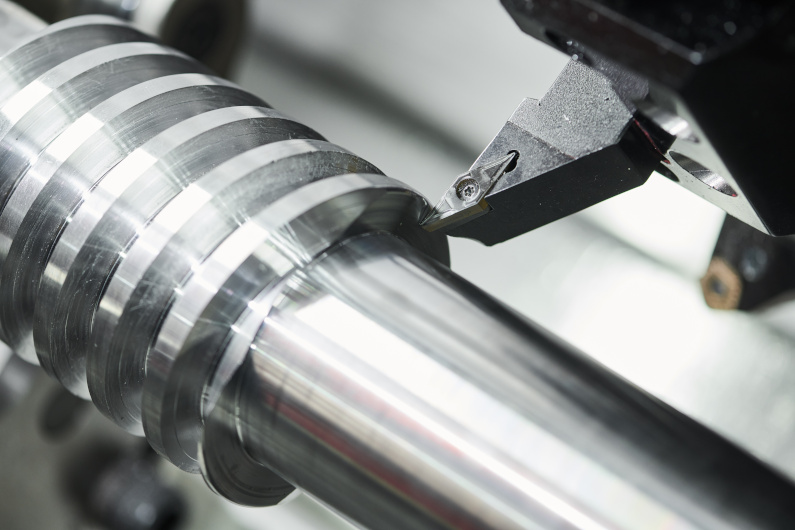
- Precision Machining: This encompasses CNC milling and turning, Swiss machining (ideal for small, complex parts with high precision), multi-axis grinding, and Wire/Conventional Electrical Discharge Machining (EDM). These methods remove material with exceptional control, achieving dimensional tolerances often finer than a human hair.
- Laser Cutting: Utilizing high-precision lasers, this technique allows for intricate shapes and very fine features to be cut from sheet metal or tubing with minimal thermal distortion, critical for components like stents or intricate surgical tools.
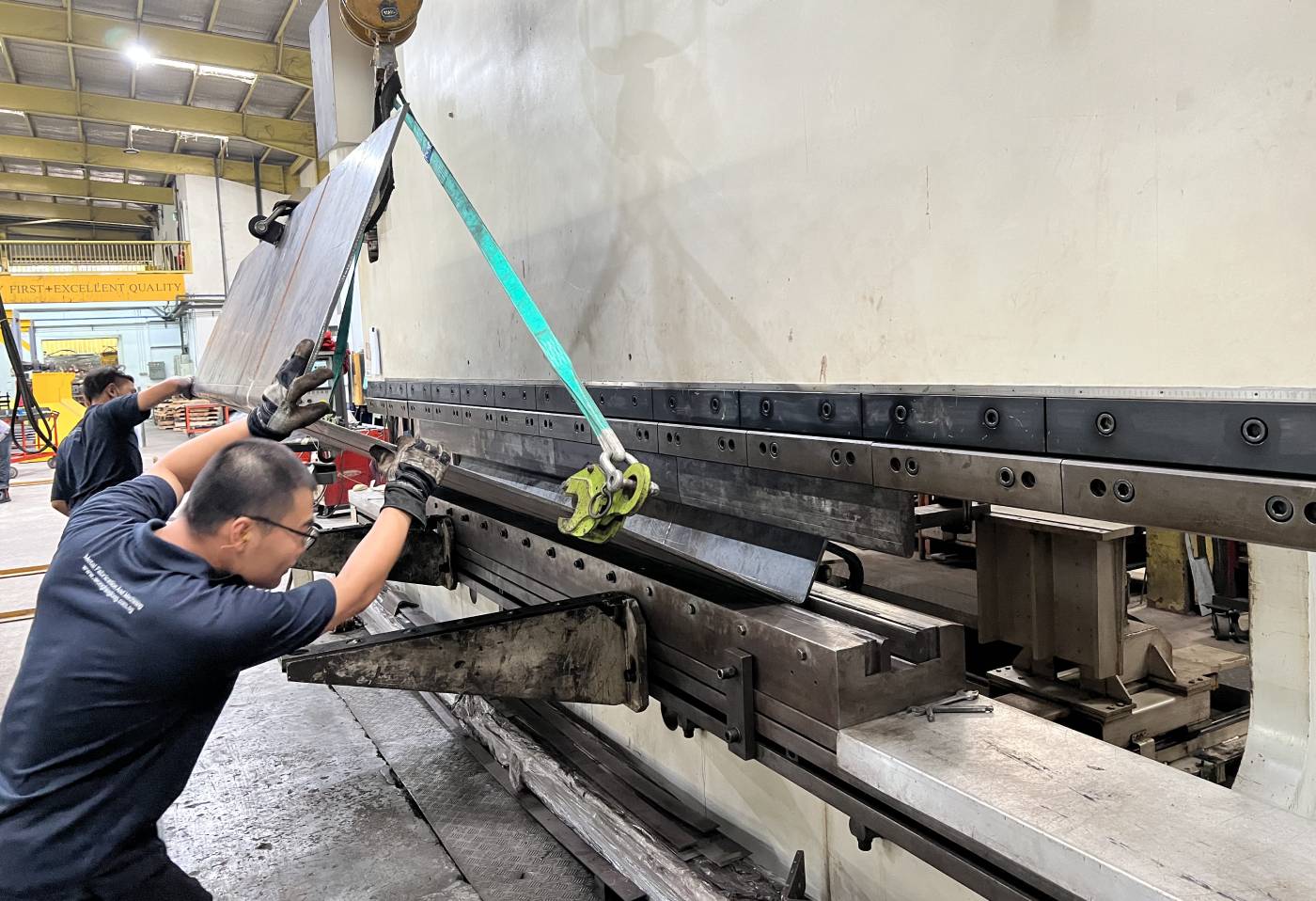
- Forming and Bending: Specialized presses and tooling are used to shape metals without removing material, creating complex geometries while maintaining material integrity.
- Welding Techniques: For joining components, precise methods such as laser welding, ultrasonic welding, and Tungsten Inert Gas (TIG) welding are employed. These techniques create strong, clean joints with minimal heat input, preserving material properties and avoiding contamination.
- Gun Drilling and Knurling: These are specialized processes for creating deep, precise holes or adding textured surfaces for grip, respectively, in specific medical instruments.
The commitment to achieving these extreme tolerances extends to every step, from initial CAD/CAM programming to continuous in-process inspection and final quality verification using advanced metrology equipment.
Regulatory Compliance and Quality Assurance in Fabrication
The medical device industry is one of the most heavily regulated sectors globally, and medical device metal fabrication is no exception. Adherence to a complex framework of quality management systems and product-specific regulations is not merely good practice; it is a legal and ethical imperative. Non-compliance can lead to recalls, legal penalties, and, most importantly, patient harm.
Critical Certifications and Standards:
- ISO 13485:2016: This international standard specifies requirements for a quality management system where an organization needs to demonstrate its ability to provide medical devices and related services that consistently meet customer and regulatory requirements. It is often the foundational certification for medical device manufacturers.
- ISO 9001:2015: While broader than ISO 13485, this standard for quality management systems provides a framework for consistent quality and customer satisfaction across various industries, including medical.
- FDA Compliance: In the United States, the Food and Drug Administration (FDA) sets rigorous standards for medical devices, from design and manufacturing to labeling and post-market surveillance. Compliance with FDA 21 CFR Part 820 (Quality System Regulation) is crucial, particularly for pharmaceutical-grade products.
- Welding Certifications: Specific welding processes for medical devices often require certifications such as AWS D1.1, D1.2, D1.6, D17.1, and military specifications like MIL-STD-1595A and MIL-STD-2219A, ensuring the integrity and strength of welded joints.
- ITAR Registration: For certain medical devices that may also have defense applications, International Traffic in Arms Regulations (ITAR) registration might be necessary, controlling the export and import of defense-related articles and services.
Beyond formal certifications, a robust quality assurance system involves meticulous documentation, stringent process controls, comprehensive traceability, and rigorous testing at every stage. This ensures that every component not only meets specifications but is also safe, effective, and free from defects.
Critical Surface Finishes and Post-Processing for Medical Applications
Even after a component is precisely fabricated, its journey is not complete. The surface of a medical device component plays a crucial role in its performance, biocompatibility, and sterility. Specialized finishing and post-processing treatments are essential to optimize these characteristics.
The underlying principle is that surface properties – smoothness, cleanliness, and chemical inertness – directly impact how the device interacts with its environment, whether it's blood, tissue, or a sterilization solution.
Key surface finishing services include:
- Passivation: This process removes free iron from the surface of stainless steel, preventing rust and enhancing corrosion resistance by forming a protective passive layer. It is often performed according to standards like ASTM A967 or A380.
- Electropolishing: Using an electrochemical process, electropolishing removes a thin layer of material, creating an exceptionally smooth, burr-free, and microscopically clean surface. This finish is vital for preventing bacterial adhesion and ensuring ease of sterilization.
- Anodizing: Applied primarily to aluminum components, anodizing creates a durable, corrosion-resistant oxide layer, improving wear resistance and offering aesthetic benefits with various color options.
- Specialized Coatings: Biocompatible coatings (e.g., anti-friction, antimicrobial) can be applied to enhance specific functional properties or improve device interaction with the body.
- Heat Treating: Controls material properties like hardness, strength, and ductility through controlled heating and cooling cycles.
- Ultrasonic Cleaning: Utilizes high-frequency sound waves to thoroughly remove contaminants from intricate geometries.
- Laser Marking: Provides permanent, precise identification marks without affecting the integrity of the component.
These finishing processes are not merely aesthetic; they are functional necessities that contribute directly to the safety, efficacy, and longevity of medical devices.
The Role of Design for Manufacturability (DFM) in Medical Devices
In the highly specialized realm of medical device fabrication, the integration of Design for Manufacturability (DFM) principles from the earliest stages of product development is paramount. DFM is an engineering methodology that aims to design products in such a way that they are easy and cost-effective to manufacture while maintaining their functional integrity and meeting all performance and regulatory requirements.
The core idea behind DFM is to prevent manufacturing challenges before they arise. By involving fabrication experts early, designers can identify potential issues related to material selection, machining complexities, assembly challenges, or the feasibility of achieving ultra-tight tolerances. For example, a design might initially call for a feature that is extremely difficult or expensive to machine with current technology, or a material choice that complicates sterilization. Early DFM input can guide the design toward more practical and efficient solutions, potentially reducing material waste, shortening lead times, and significantly lowering production costs without compromising the device's critical functions or compliance standards. This collaborative approach de-risks designs, optimizes processes, and ultimately accelerates time to market for essential medical technologies.
Frequently Asked Questions
What metals are used in medical devices?
For medical instruments, common metals include various stainless steels (such as 300 series, 400 series, and 17-4 PH), aluminum, titanium, titanium alloys, and brass. For implantable medical devices, the material requirements are stricter, often utilizing specialized stainless steels, cobalt alloys, nickel-cobalt-chromium alloys, titanium, titanium alloys, nitinol, and tantalum. Stainless Steel 316 and Aluminum 5052 are specifically notable for sheet metal components due to their corrosion resistance and biocompatibility.
Further Reading
To deepen your understanding of the intricate standards and material science governing medical device fabrication, consider exploring official resources from regulatory bodies and material science organizations:
- ISO 13485:2016: International Organization for Standardization – Quality management systems for medical devices.
- FDA 21 CFR Part 820: U.S. Food and Drug Administration – Quality System Regulation.
- ASTM International: Standards for materials, testing, and processes relevant to medical devices.
The field of precision metal fabrication for medical devices is ever-evolving, driven by innovations in materials science and manufacturing technologies. Staying informed about the latest advancements and regulatory updates is crucial for anyone involved in developing the next generation of life-changing medical technologies.
