
Powder Coating vs. Electroplating: A Buyer's Guide to Metal Part Finishes (as of 2026-11-16)
When sourcing metal components for manufacturing or product development, selecting the appropriate surface finish is a critical decision that impacts not only aesthetics but also performance, durability, and cost. Many buyers find themselves at a crossroads, particularly when comparing two prevalent methods: powder coating vs electroplating. While both aim to enhance the properties of metal parts, their underlying principles, application processes, and resulting benefits differ significantly. Understanding these distinctions is fundamental to making an informed choice that aligns with your project's specific requirements.
Understanding Metal Surface Finishing: What They Are and Why They Matter
Surface finishing techniques are applied to metal parts to protect them from environmental degradation, improve their aesthetic appeal, and enhance their functional characteristics such as hardness, wear resistance, or electrical conductivity. Without proper finishing, bare metal can corrode, scratch easily, or simply not meet the visual standards required for a finished product. The choice of finish can extend a part's lifespan, reduce maintenance needs, and ultimately contribute to product quality and customer satisfaction.
Powder coating involves applying a dry polymer powder to a metal surface, which is then cured with heat or UV light. This process creates a tough, continuous layer. Electroplating, conversely, uses an electrochemical process to deposit a thin layer of metal onto a conductive substrate. Both methods serve to create a protective barrier and improve appearance, but they achieve these goals through vastly different mechanisms and offer distinct advantages.
The Processes Unpacked: From Application to Curing
Delving into the mechanics of each finishing method reveals why their outcomes differ. Understanding the "how" behind powder coating and electroplating helps demystify their properties.
The Powder Coating Process
Powder coating is a dry finishing process. It begins with thorough surface preparation, which typically involves cleaning and often includes phosphating or chromating to ensure optimal adhesion. The metal part is then electrostatically charged, and a finely ground polymer powder, consisting of resin, pigment, curing agents, and other additives, is sprayed onto its surface. Because the powder particles are charged and the part is grounded, the powder adheres evenly through electrostatic attraction.
Once the powder is applied, the part is moved into a curing oven or exposed to UV light. Heat causes the polymer particles to melt, flow, and chemically cross-link, forming a continuous, uniform film. The thickness of this film is typically between 2 to 6 mils (50 to 150 micrometers). The types of powder used vary widely, including epoxy (known for corrosion resistance), polyester (excellent UV and weather resistance), polyurethane, and acrylic, each suited for different performance needs. This dry application method means there are no solvents to evaporate, contributing to its environmental benefits.
The Electroplating Process
Electroplating is a wet, electrochemical process. Like powder coating, it requires meticulous surface preparation, often involving degreasing, acid etching, and rinsing, to ensure a clean, active surface for plating. The metal part, acting as the cathode (negative electrode), is submerged in an electrolytic bath. This bath contains a solution of dissolved metal salts (e.g., nickel salts for nickel plating, chromium salts for chrome plating) and other chemicals that facilitate the process. An anode (positive electrode), often made of the plating metal itself, is also placed in the bath.
When an electric current is passed through the solution, metal ions from the bath are drawn to the negatively charged part and deposit onto its surface, forming a thin, coherent metallic layer. The thickness of electroplated coatings is significantly thinner than powder coatings, often ranging from 0.05 to 2 mils (1.27 to 50.8 micrometers). Common plating metals include nickel, chrome, zinc, copper, silver, and gold, each imparting specific properties like corrosion resistance, hardness, electrical conductivity, or decorative appeal. The precise control over current and time allows for very thin, uniform coatings, crucial for parts with tight tolerances.
The fundamental difference in application lies in powder coating being a dry, electrostatic, heat-cured polymer application, while electroplating is a wet, electrochemical deposition of actual metal.
Direct Comparison: Durability, Appearance, and Performance Metrics
Understanding the operational differences translates directly into distinct performance characteristics. Here's a direct comparison of key metrics.
Durability & Protection
- Corrosion Resistance: Both offer excellent corrosion protection. Powder coating creates a thick, impermeable barrier, effectively isolating the metal from corrosive elements. Electroplating provides galvanic protection (when a more active metal like zinc is plated) or acts as a barrier (like nickel or chrome) to prevent oxygen and moisture from reaching the base metal.
- Wear and Abrasion Resistance: Powder coatings, particularly those formulated with specific resins, offer high resistance to chipping, scratching, and general abrasion due to their polymer composition and thickness. Electroplating, especially with hard metals like chrome or nickel, significantly increases the surface hardness of the base metal, providing superior wear resistance, which is vital for moving parts or those subjected to friction.
- Impact Resistance: Powder coatings generally exhibit higher impact resistance and flexibility, making them less prone to cracking or chipping from blunt force impacts compared to the typically harder, more brittle electroplated layers.
- UV Stability: Polyester-based powder coatings offer excellent resistance to UV degradation, maintaining their color and finish even with prolonged outdoor exposure. Some electroplated finishes, particularly clear coats over decorative plating, might show less UV degradation, but the metallic layer itself is generally more stable to UV than some organic coatings.
- Chemical Resistance: The chemical resistance of powder coatings varies significantly by polymer type, with epoxies excelling against solvents and alkalis. Electroplated metals offer inherent chemical resistance, dependent on the specific metal, e.g., nickel offers good resistance to many acids and alkalis.
Aesthetic & Versatility
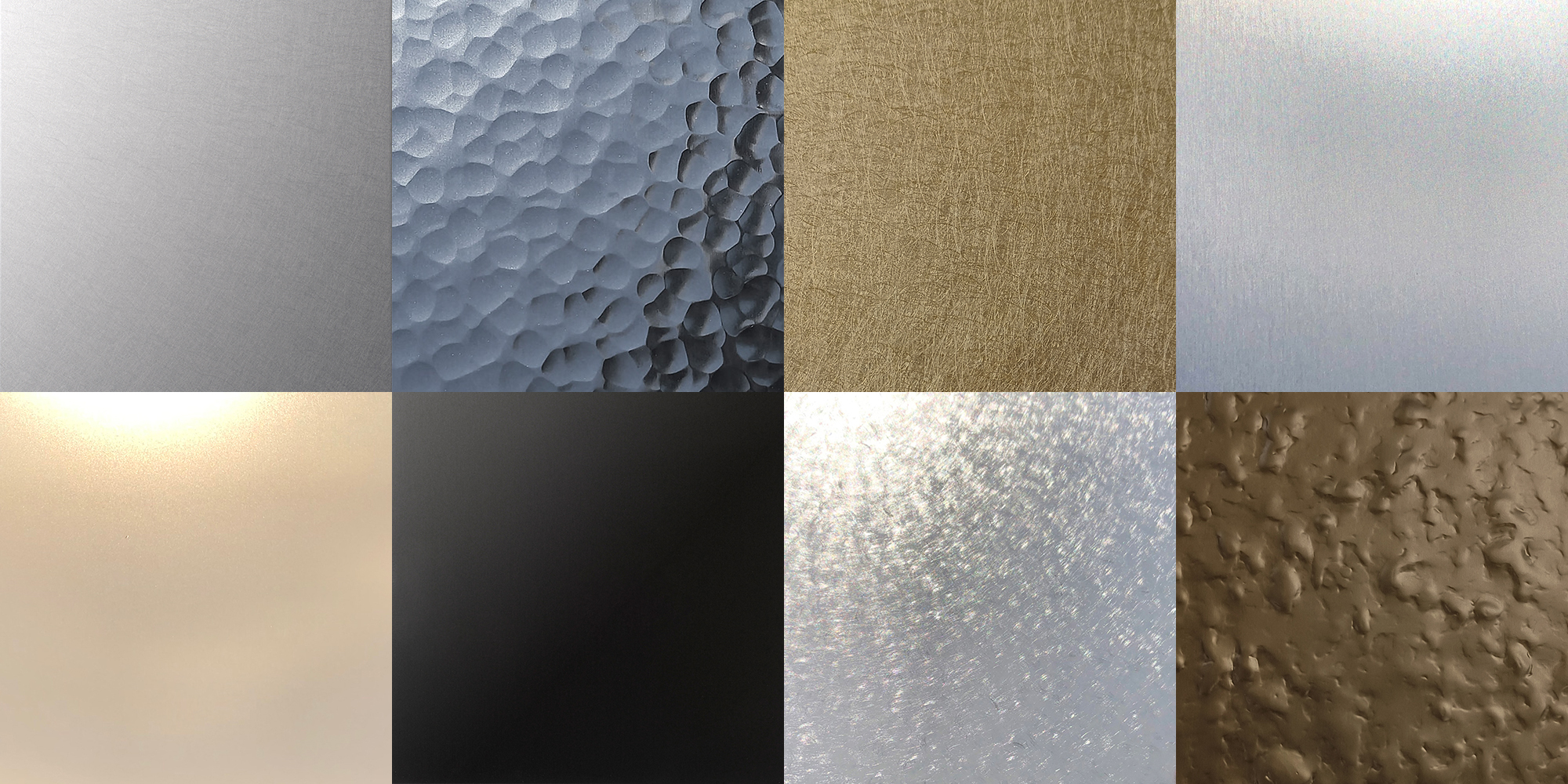
- Color Options and Textures: Powder coating offers an unparalleled range of aesthetic choices. It comes in virtually any color, with options for various gloss levels (matte, satin, high gloss), metallic flakes, textures (smooth, wrinkled, hammer tone, sand texture), and even clear coats.
- Surface Detail Preservation: Electroplating excels at preserving intricate surface details and sharp edges of the base metal part due to its thin, uniform metallic layer. Powder coating, being a thicker application, can slightly soften very fine details, which needs to be considered for precision parts.
- Finish Uniformity: Both methods aim for uniform finishes. Powder coating, when applied correctly, offers excellent consistency over large areas. Electroplating provides a smooth, metallic finish that is inherently uniform across the plated surface.
Thickness & Precision
- Dimensional Control: This is a crucial distinction. Electroplated coatings are typically very thin (micrometer level), allowing for exceptional dimensional control. This makes electroplating ideal for components with tight tolerances, such as those used in precision instruments or Cnc Machining Service parts where a slight change in dimension could affect fit or function.
- Suitability for Intricate Parts: Electroplating's ability to deposit a thin, even layer makes it highly suitable for parts with complex geometries, internal surfaces, and very fine features. Powder coating's electrostatic application can sometimes struggle to achieve uniform coverage in deep recesses or sharp internal corners (known as the Faraday cage effect), although advancements in application technology have mitigated this to some extent.
- Managing Tolerances: When considering powder coating vs electroplating, the thickness difference means that powder coating requires more significant consideration of part tolerances, especially when parts need to fit together or into other assemblies.
Specific Properties
- Electrical Conductivity: Electroplating can significantly enhance or provide specific electrical conductivity to the surface of a part, especially with metals like copper, silver, or gold. This is critical for electronic components or connectors. Powder coatings are typically electrical insulators, as they are polymer-based.
- Hardness: As mentioned, many electroplated finishes, such as hard chrome or electroless nickel, dramatically increase the surface hardness of the metal. Powder coatings are generally tough but do not increase the intrinsic hardness of the underlying metal.
- Thermal Resistance: The thermal resistance of powder coatings varies by polymer type, with some capable of withstanding moderate to high temperatures. Electroplated metallic layers generally have higher thermal stability, limited more by the base metal's melting point than the coating itself.
Here's a comparison table summarizing the key differences:
| Feature | Powder Coating | Electroplating |
|---|---|---|
| Process Type | Dry, electrostatic polymer application, heat-cured | Wet, electrochemical metal deposition |
| Coating Material | Polymer resins (e.g., epoxy, polyester) | Metals (e.g., nickel, chrome, zinc, silver) |
| Typical Thickness | 2-6 mils (50-150 micrometers) | 0.05-2 mils (1.27-50.8 micrometers) |
| Dimensional Precision | Good, but can affect tight tolerances | Excellent, ideal for precise fits |
| Aesthetic Versatility | Vast range of colors, textures, gloss levels | Limited to metallic appearance, bright, satin, matte |
| Corrosion Resistance | Excellent barrier protection | Excellent barrier & galvanic protection |
| Wear/Abrasion Resist. | High resistance to chipping, scratching | Often increases surface hardness, superior wear |
| Impact Resistance | High, flexible, less prone to cracking | Lower, can be more brittle |
| UV Stability | Excellent (especially polyester) | Good (metallic, less prone to fade) |
| Chemical Resistance | Varies by polymer type, often very good | Varies by metal type, often very good |
| Electrical Properties | Insulative | Often conductive (can enhance conductivity) |
| Environmental Impact | Low VOC, recyclable overspray | Chemical waste, heavy metals, stricter disposal |
Environmental Footprint and Cost Analysis
Beyond performance, the environmental impact and cost implications are major factors for buyers.
Environmental Impact
- Volatile Organic Compounds (VOCs): This is where powder coating truly shines from an environmental perspective. It contains zero VOCs, which are harmful chemicals emitted as gases and contribute to air pollution. This makes powder coating significantly more environmentally friendly than many traditional liquid paint systems, which release VOCs during application and curing.
- Waste Management: Powder coating systems can reclaim and reuse overspray, meaning up to 95% of the applied powder can be utilized. This drastically reduces material waste and simplifies disposal, as any remaining waste is non-hazardous. Electroplating, however, generates wastewater containing heavy metals and other chemicals. This necessitates complex and costly waste treatment processes, strict regulatory compliance, and careful disposal of hazardous sludge. Modern electroplating facilities employ advanced closed-loop systems and filtration to minimize environmental impact, but the inherent nature of the process remains more challenging environmentally.
Cost-Effectiveness
- Initial Investment: The initial equipment investment for both can be substantial, though smaller-scale electroplating setups might have a lower entry cost than industrial powder coating lines.
- Material Costs: The cost of powder coating materials can be competitive. While plating metals like nickel, chrome, or precious metals can be costly, their application in very thin layers often balances the material expense.
- Labor Efficiency: Both processes benefit from automation for high-volume production. Powder coating can often be a single-coat application, reducing labor. Electroplating might involve multiple baths and stages, potentially requiring more hands-on monitoring.
- Energy Consumption: Curing ovens for powder coating require energy, but modern systems are increasingly energy-efficient. Electroplating also consumes electricity for the deposition process and often for heating the baths.
- Long-term Maintenance and Total Cost of Ownership: Powder coating's durability and resistance to chipping often translate to lower maintenance and refinishing costs over the product's lifespan. Its environmental benefits can also reduce regulatory compliance costs. While electroplating offers excellent durability, the potential for re-plating or specialized repairs for specific finishes can be a factor. Generally, powder coating is considered more economical over the long term due to reduced waste, lower energy consumption, and simpler regulatory compliance.
Choosing Your Finish: Ideal Applications and Industry Insights
So, which is better, powder coating or electroplating? There is no universal "better" option; the ideal choice is contingent on the specific application, desired performance characteristics, environmental exposure, and budget. Each method addresses distinct industrial needs.
Industry-Specific Use Cases for Powder Coating
Powder coating is often chosen for its robust physical protection, impact resistance, UV stability, and broad aesthetic options. It's particularly well-suited for:
- Automotive Frames and Components: Chassis, wheels, and other parts needing durable, corrosion-resistant finishes that can withstand road conditions.
- Architectural Elements: Window frames, railings, facades, and outdoor furniture that require weather resistance and long-lasting color.
- Consumer Appliances: Refrigerators, washing machines, and other household items benefit from its scratch resistance and wide range of colors.
- Agricultural Machinery: Tractors and other farm equipment exposed to harsh outdoor environments.
- Heavy Industrial Equipment: Components that require tough, protective coatings against abrasion and chemicals.
- Outdoor and Recreational Equipment: Bicycle frames, lawnmowers, and patio furniture.
For components made from materials like Steel 1018 or various types of Alloy Steel, powder coating provides a robust and visually appealing protective layer, especially for larger surfaces.
Industry-Specific Use Cases for Electroplating
Electroplating is favored for precision parts, decorative finishes, enhanced corrosion resistance, and improved conductivity, often forming an integral part of the substrate's function. It's commonly used in:
- Electronics: Connectors, circuit board components, and casings where conductivity, precise dimensions, and corrosion protection are paramount.
- Fasteners and Hardware: Bolts, nuts, and intricate hardware often receive zinc, nickel, or chrome plating for corrosion resistance and decorative appeal.
- Aerospace and Medical Devices: Components requiring extremely high precision, specific surface hardness, or biocompatibility.
- Automotive Components (Decorative & Functional): Chrome plating for bumpers, trim, and interior components; nickel plating for wear resistance in engine parts.
- Gym Equipment Hardware: Pins, bushings, and other smaller, high-wear parts.
Key Decision-Making Factors for Buyers
When deciding between powder coating vs electroplating, consider these points:
- Primary Function: Is the main goal corrosion protection, enhanced hardness, electrical conductivity, or purely aesthetics?
- Part Geometry and Tolerances: Are there intricate features or tight dimensional requirements? Electroplating generally offers higher precision.
- Environmental Exposure: Will the part be exposed to harsh weather, UV light, chemicals, or abrasion?
- Desired Appearance: Do you need a specific metallic luster or a wide range of colors and textures?
- Budget and Volume: What are the cost constraints, and is the production volume high enough to justify automated systems?
- Environmental Concerns: Are zero VOCs and minimal waste a priority?
- Substrate Material: While both are suitable for various metals, certain combinations work better for specific finishes.
Beyond the Basics: Related Finishing Options and Future Outlook
While powder coating and electroplating are dominant, other finishing techniques exist.
Electro Coating (E-coating), also known as electrophoretic deposition, is a process similar to electroplating in that it uses an electric current to deposit a coating. However, instead of a metal, it deposits organic paint onto the part. E-coating provides excellent uniform coverage, even on complex shapes, and is often used as a primer layer due to its exceptional corrosion resistance before a topcoat like powder coating. This method offers a middle ground in terms of thickness and environmental impact, often providing better "throw power" into recesses than traditional powder coating.
Physical Vapor Deposition (PVD) is an advanced vacuum coating technique that deposits thin films of material by vaporizing a solid source material in a vacuum and condensing it onto the substrate. PVD coatings (e.g., TiN, CrN) offer extremely high hardness, wear resistance, and unique aesthetic finishes (e.g., gold-like, black chrome) that can exceed those of traditional electroplating in some aspects. It is often more expensive and complex but offers superior performance for highly demanding applications.
The field of metal surface finishing continues to evolve, with ongoing research into more environmentally friendly processes, advanced coating materials with enhanced performance characteristics, and hybrid finishing techniques that combine the benefits of multiple methods. Future advancements will likely focus on nano-structured coatings, improved adhesion technologies, and even more efficient application methods to meet ever-increasing demands for durability, aesthetics, and sustainability.
Frequently Asked Questions
Which is better, powder coating or electroplating?
Neither powder coating nor electroplating is universally "better"; the optimal choice depends entirely on the specific application, desired performance characteristics, and budget. Powder coating generally excels for large surfaces requiring robust physical protection, impact resistance, UV stability, and a wide array of color options, particularly when environmental friendliness (zero VOCs) is a priority. Electroplating is typically superior for intricate parts, applications needing precise dimensional control, specific metallic aesthetics, enhanced electrical conductivity, and high wear resistance, offering a smooth, bonded metal surface integral to the substrate's function.
