

High-Performance Alloys for Extreme Temperatures: Selection and Applications in 2026
When operating environments push beyond the limits of conventional metals, engineers face a critical challenge: how to maintain structural integrity, prevent premature failure, and ensure operational efficiency. Standard materials like carbon or even common stainless steels quickly lose their strength, deform under prolonged stress, or succumb to corrosion and oxidation when subjected to intense heat. This knowledge gap – understanding why ordinary metals falter and what alternatives exist – is where high-performance alloys emerge as indispensable solutions for extreme temperature environments. These advanced metallic materials are specifically engineered to withstand conditions where typical metals would fail, offering a unique combination of strength, resilience, and resistance to degradation.
Understanding High-Performance Alloys (HPAs): What They Are and Why They Matter
High-Performance Alloys, often referred to as superalloys, represent a sophisticated class of metallic materials distinguished by their remarkable ability to maintain structural and chemical stability under extreme conditions. Their core characteristics include exceptional resistance to high temperatures, superior mechanical strength, impressive creep resistance (deformation under sustained stress at elevated temperatures), and robust resistance to oxidation or corrosion.
The trajectory of HPA development is intrinsically linked to technological advancement. While basic forms of these resilient alloys have existed for a couple of centuries, their widespread development became common in the first half of the 20th century. A significant catalyst for this surge was the advent of the jet engine. The internal components of early jet engines, exposed to unprecedented temperatures and stresses, demanded materials far exceeding the capabilities of existing metals. This imperative continues today, with modern demands from industries such as aerospace, power generation, petrochemicals, and industrial chemicals driving continuous innovation in the field of high-performance alloys. These materials are not merely an enhancement; they are foundational to the functionality and safety of critical systems operating in the harshest environments.
Essential Properties: Sustaining Integrity in Extreme Conditions
The ability of high-performance alloys to thrive where others fail stems from a specific set of properties meticulously engineered into their structure. These properties are crucial for applications that demand reliability under intense thermal and mechanical stress.
High-Temperature Resistance
Perhaps the most defining characteristic of HPAs is their ability to endure extreme heat without significant loss of mechanical properties. Unlike many metals that rapidly soften or melt at high temperatures, these alloys retain their strength and stiffness, often up to very high fractions of their melting points. This resistance isn't just about melting; it also encompasses defense against thermal degradation processes like oxidation. At elevated temperatures, many metals react readily with oxygen in the atmosphere, forming brittle or non-protective oxide layers that can lead to material loss and component failure. HPAs are designed to either resist this oxidation or form a stable, passive film that protects the underlying material, extending their lifespan in scorching conditions.
Creep Resistance
Creep is a phenomenon where materials slowly deform under sustained mechanical stress, even below their yield strength, particularly when exposed to high temperatures over extended periods. In critical applications like turbine blades or high-pressure vessels, creep can lead to catastrophic failure. High-performance alloys are specifically formulated to exhibit superior creep resistance, meaning they can withstand prolonged stress at high temperatures with minimal, if any, permanent deformation. This property is vital for components that must maintain precise dimensions and structural integrity throughout their operational life.
Mechanical Strength
Beyond temperature endurance, HPAs possess excellent overall mechanical strength, encompassing tensile strength, yield strength, and fatigue resistance. This robust strength ensures components can bear heavy loads and cyclical stresses without fracturing or deforming. This characteristic is critical in environments where components are subjected to not only high temperatures but also significant mechanical forces, such as the rotating parts of a gas turbine or structural elements in aerospace applications.
Corrosion Resistance
Many extreme temperature environments are also highly corrosive, involving exposure to aggressive chemicals, acids, saltwater, or other degrading media. High-performance alloys are often designed to resist various forms of corrosion, including pitting, crevice corrosion, intergranular corrosion, and stress corrosion cracking. For instance, in marine environments or chemical processing plants, resistance to oxidizing and reducing acids is paramount. Alloys like Monel® and Hastelloy® C-276 are renowned for their exceptional corrosion resistance in such challenging conditions, complementing their high-temperature capabilities.
The Metallurgy Behind High-Performance Alloys: Composition and Enhancement
The remarkable properties of high-performance alloys are not accidental; they are the result of precise metallurgical design. These alloys are typically based on one of three primary elements: nickel, cobalt, or iron. The selection of the base metal provides the fundamental framework for the alloy's performance, but it's the strategic addition of specific alloying elements that unlocks their full potential for extreme temperature resistance and other enhanced properties.
Common alloying elements include titanium, aluminum, cobalt, molybdenum, carbon, and chromium. Each element plays a distinct role:
- Chromium often contributes to oxidation and hot corrosion resistance by forming a protective oxide layer on the surface.
- Aluminum and Titanium are crucial for precipitation hardening, a heat treatment process that creates finely dispersed intermetallic compounds within the alloy's matrix, significantly increasing its high-temperature strength and creep resistance.
- Molybdenum and Tungsten enhance solid-solution strengthening, preventing atoms from moving past each other easily at elevated temperatures.
- Carbon can form carbides, which further contribute to high-temperature strength and wear resistance.
The intricate interplay of these elements, combined with specialized processing techniques, enables mechanisms such as precipitation hardening and the formation of stable, passive protective films. These mechanisms are the underlying principles that allow alloys to maintain their high-temperature strength, limit creep deformation, and resist oxidation and corrosion. For those interested in the foundational differences between various metal classes, understanding the distinction between standard options like Steel 1018 and more advanced choices like Alloy Steel can provide context for the leap to high-performance superalloys.
Well-known high-performance alloy families, each with unique property combinations, include:
- Nickel-based alloys: Such as Inconels (e.g., Inconel® 625, Inconel® 718), Hastelloys (e.g., Hastelloy® C-276), and Monels (e.g., Monel® 400). These are favored for their excellent high-temperature strength and corrosion resistance.
- Cobalt-based alloys: Like MP35N® (UNS R30035), known for their exceptional strength, toughness, and resistance to corrosion and wear, even at very high temperatures.
- Iron-based alloys: Including Nitronics (e.g., Nitronic® 50, UNS S20910) and Incoloys, which offer good strength and corrosion resistance at a potentially lower cost than purely nickel or cobalt-based alternatives.
- Specialized alloys: Some alloys are designed for specific properties beyond general strength and corrosion, such as controlled thermal expansion (e.g., Nilo alloys) or specific electrical resistance for heating applications (e.g., 80/20 NiCr).
Strategic Selection of High-Performance Alloys for Extreme Temperature Environments
Choosing the correct high-performance alloy for a given application is a complex process that demands a thorough understanding of the operating environment and the alloy's specific characteristics. It's not merely about finding a material that can withstand "high temperatures" but selecting one whose properties precisely match the multitude of challenges it will face.
Key considerations for selection include:
- Temperature Range: While all HPAs are designed for high temperatures, the precise maximum operating temperature varies significantly between alloys. Some might excel at continuous exposure to 800°C, while others are optimized for intermittent peaks at 1200°C. Engineers must consider both steady-state and transient temperature conditions. It is important to note that specific numerical temperature ranges for various alloys are often application-specific and require detailed material specifications from manufacturers rather than universal values.
- Corrosive Agents: Identify all potential corrosive media—oxidizing acids, reducing acids, chlorides, sulfides, saltwater, or other aggressive chemicals. Different alloys offer varying levels of resistance to these agents. For example, Hastelloy C-276 offers excellent resistance in many chemical processing environments, while Monel 400 is highly regarded for marine and seawater applications.
- Stress Levels: Evaluate the type and magnitude of mechanical stresses, including tensile, compressive, shear, and cyclical (fatigue) loads. The chosen alloy must maintain sufficient strength and creep resistance under these specific conditions at elevated temperatures.
- Atmosphere: Beyond temperature, consider the surrounding atmosphere—whether it's oxidizing, reducing, inert, or contains specific reactive gases.
- Cryogenic Applications: While the focus is often on high temperatures, HPAs are also crucial for extreme cold. Certain alloys, such as MP35N and Nitronic 50, maintain their ductility and strength at cryogenic temperatures, preventing brittle fracture in liquid gas handling systems or space applications.
- Thermal Cycling: For applications involving repeated heating and cooling, alloys must exhibit good thermal fatigue resistance and controlled thermal expansion to prevent cracking and distortion.
The strategic addition of specific alloying elements allows manufacturers to customize performance, tailoring materials for very specific challenges. This necessitates a detailed review of an alloy's datasheet and performance history in comparable applications.
Diverse Applications of High-Performance Alloys Across Industries
The unique capabilities of high-performance alloys make them indispensable across a wide spectrum of industries, enabling technologies that would otherwise be impossible. Their ability to perform reliably under the most demanding conditions underpins critical infrastructure and advanced systems worldwide.
- Aerospace and Defense: This sector remains a primary driver for HPA innovation. Jet engine components, including turbine blades, combustor liners, and exhaust nozzles, operate at extremely high temperatures and rotational speeds, demanding exceptional creep, fatigue, and oxidation resistance. High-performance alloys like Inconel X-750 and Inconel 718 are frequently used here. They are also crucial for structural components in advanced aircraft and missiles that experience high thermal loads.
- Power Generation: In modern power plants, particularly gas turbines for electricity generation, HPAs are vital for hot gas path components, such as turbine disks, blades, and vanes. These materials ensure efficient energy conversion by allowing higher operating temperatures, which directly translates to increased efficiency and reduced emissions. Boilers and superheaters also utilize these alloys to withstand intense heat and pressure.
- Petrochemical and Chemical Processing: These industries deal with highly corrosive chemicals at elevated temperatures and pressures. HPAs like Hastelloy C-276, C-22, and B-3 are used in reactors, heat exchangers, valves, and piping systems where resistance to aggressive acids and other corrosive agents is paramount.
- Marine and Subsea Environments: Components exposed to saltwater and deep-sea pressures, often combined with varying temperatures, require robust corrosion resistance and strength. Monel 400 and K-500 are common in marine applications like propeller shafts, heat exchangers, and pump components. For subsea oil and gas applications, alloys such as Alloy 625 are chosen for their resistance to seawater corrosion and high-pressure service.
- Other Specialized Uses:
- Medical Devices: Biocompatible HPAs are used in surgical implants and instruments requiring high strength and corrosion resistance.
- Industrial Tooling: Dies, molds, and furnace components often leverage HPAs for their hot hardness and wear resistance.
- Electronic Components: Specific alloys with controlled thermal expansion (e.g., Nilo alloys) are used in glass-to-metal seals to prevent stress during temperature fluctuations.
- Heating Elements: Alloys like 80/20 NiCr are chosen for their specific electrical resistance properties in high-temperature heating applications.
Manufacturing and Processing Considerations for High-Performance Alloys
The unique properties that make high-performance alloys so valuable also make them challenging to manufacture and process. Their inherent strength, hardness, and resistance to deformation at high temperatures necessitate specialized techniques and equipment.
The production of HPAs typically involves advanced metallurgical processes to ensure precise control over their microstructure and properties. This includes various forming and shaping methods such as:
- Forging: To produce strong, dense components with refined grain structures.
- Rolling: To create sheets, plates, and bars.
- Heat Treating: Crucial for developing the desired microstructure, enhancing strength, and optimizing properties like creep and corrosion resistance through processes like solution annealing and aging.
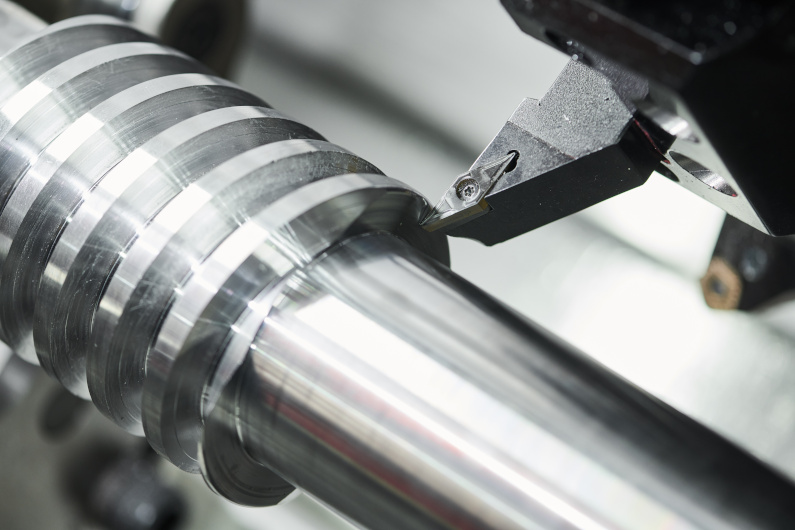
- Machining: Due to their toughness and hardness, HPAs often require specialized CNC machining service and tooling, including water jet cutting, cold sawing, and abrasive cutting, to achieve precise dimensions and finishes.
These complex manufacturing steps are critical to unlock the full potential of these advanced materials, ensuring they meet the stringent performance requirements of extreme temperature applications. For a broader perspective on manufacturing capabilities, you might explore the services offered by www.bingzhen-sh.com.
In conclusion, high-performance alloys are not just materials; they are enablers of advanced technology, pushing the boundaries of what is possible in extreme temperature environments. Their meticulous design, blending specific base metals with strategic alloying elements, provides an unparalleled combination of strength, creep resistance, and protection against oxidation and corrosion. The selection of the right alloy is a nuanced decision, requiring a deep understanding of the precise operational demands. As industries continue to strive for greater efficiency, higher performance, and extended operational lifespans in increasingly harsh conditions, the role of these sophisticated materials will only continue to expand. For any specific project, a thorough consultation of detailed material data sheets and expert metallurgical advice remains paramount to ensure optimal performance and safety.
