

Choosing the Optimal Metal Stamping Process for Your Project (As of 2026-11-12)
Navigating the myriad of manufacturing processes to bring a component to life can be daunting. You've designed a critical part, sourced the ideal material, but now you face a pivotal decision: selecting the right metal stamping process. Misjudging this step can lead to costly retooling, production delays, or parts that simply don't meet your exacting standards. The key to success lies in a comprehensive understanding of your options and a strategic metal stamping process selection framework. This guide will walk you through the various techniques, critical factors, and the overall journey to help you choose the optimal method for your specific project needs.
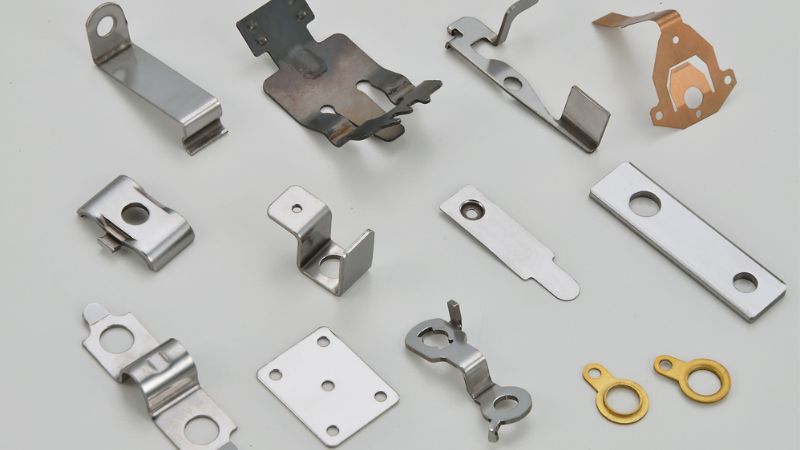
Understanding Metal Stamping: Core Concepts and Benefits
Metal stamping is a highly versatile and efficient manufacturing process that transforms flat sheet metal, often in coil form, into precisely shaped components. It involves placing the metal sheet between a die and a punch in a stamping press, which then applies immense force to cut, form, bend, or emboss the metal into the desired geometry.
The primary benefits of metal stamping, particularly for high-volume production, are undeniable:
- Cost-Effectiveness at Scale: Once the initial tooling (dies) is created, the per-part cost for large runs becomes exceptionally low due to rapid production cycles and minimal labor per unit.
- Speed and Efficiency: Stamping presses can operate at very high speeds, producing thousands of parts per hour, making it ideal for industries with high demand.
- Repeatability and Precision: The use of dedicated dies ensures that every part produced is virtually identical, meeting tight tolerances and consistent quality standards batch after batch.
- Material Versatility: A wide range of metals, including various grades of aluminum, stainless steel, carbon steel, copper, and brass, can be stamped, offering flexibility for diverse applications.
At its core, metal stamping relies on the precise interaction of the stamping press, specialized tooling (dies), and the chosen material to achieve the desired component shape.
Navigating the Landscape of Metal Stamping Processes and Techniques
The world of metal stamping encompasses several distinct processes, each with unique advantages and best-suited applications. Understanding these variations is crucial for optimal metal stamping process selection.
- Progressive Stamping: This is a highly efficient method where a strip of material is fed through a series of stamping stations within a single die. Each station performs a different operation (e.g., punching, coining, bending) until the final part is blanked from the strip.
- Use Scenario: Ideal for high-volume production of complex parts requiring multiple operations in sequence, such as electronic connectors, automotive brackets, or appliance components. It minimizes handling and can be fully automated.
- Deep Drawing: This technique transforms a flat sheet metal blank into a hollow, three-dimensional part (like a cup, shell, or box) without fracture, wrinkling, or excessive thinning. The material is drawn into a die cavity by a punch.
- Use Scenario: Perfect for creating seamless, deep, cup-shaped, or cylindrical components like sink basins, aerosol cans, fuel tanks, or battery casings.
- Transfer Stamping: Similar to progressive stamping in that multiple operations are performed, but here, individual parts are mechanically transferred from one die station to the next.
- Use Scenario: Suited for larger, more complex parts that might require larger tooling than progressive dies can accommodate, or when operations need to be performed on different sides of the part. Common in automotive body panels and large appliance components.
- Four-Slide Stamping: Often used for producing intricate wire forms and flat spring components, this process utilizes four slides (or more) that operate horizontally to bend and form metal in multiple directions simultaneously.
- Use Scenario: Excellent for complex, multi-bend wire or strip components often found in electrical contacts, clips, and small springs.
- Fine Blanking: This precision process produces parts with very smooth, straight, and burr-free edges in a single press stroke. It uses a specialized die that tightly holds the material and applies counter-pressure, preventing tearing.
- Use Scenario: Essential for high-precision components that require superior edge quality and flatness, eliminating secondary finishing operations. Examples include gears, brake components, and various locking mechanisms.
- Hydroforming: This technique uses high-pressure hydraulic fluid instead of a punch to press a metal blank into a die. The fluid pressure allows for the creation of complex shapes with minimal thinning and excellent surface finish.
- Use Scenario: Ideal for lightweight, structurally rigid components with complex, irregular shapes, often seen in aerospace and automotive applications for structural parts and exhaust components.
- Blanking: This is a fundamental cutting operation where a punch cuts a complete piece from a larger sheet of metal. The cut-out piece is the desired part (the "blank").
- Use Scenario: Used to produce flat, two-dimensional parts that are complete after the cutting operation or serve as blanks for subsequent forming processes.
- Punching: Similar to blanking, but the desired output is the remaining strip, and the cut-out material (the slug) is scrap. This process is used to create holes or cutouts within a larger sheet.
- Use Scenario: Creating fastener holes, ventilation openings, or design features within larger panels.
- Coining: This process involves pressing the metal forcefully between a punch and die, resulting in a displacement of metal to form fine details, often with precise thickness and high surface quality.
- Use Scenario: For producing parts with intricate details, sharp corners, or precise surface textures, such as coins, medallions, or electrical contacts.
- Embossing: Creates a raised or recessed design on the metal surface without changing the material thickness significantly.
- Use Scenario: Adding logos, decorative patterns, or identifying marks to panels or components.
- Bending/Flanging: These processes involve shaping metal along a straight or curved line to create angles, channels, or edges.
- Use Scenario: Forming component walls, strengthening edges, or creating attachment points.
Critical Factors for Optimal Metal Stamping Process Selection
Selecting the right stamping method is not a one-size-fits-all decision. It hinges on a careful evaluation of your project's specific demands. Consider these factors when making your metal stamping process selection:
Part Geometry and Complexity
The shape, size, depth, and intricacy of your component are paramount.
- Simple, Flat Parts: Blanking or punching are often sufficient.
- Parts with Multiple Features, Bends, or Holes: Progressive or transfer stamping offers efficiency.
- Deep, Seamless Shapes: Deep drawing is the go-to solution.
- Intricate, Multi-axis Bends (Wire/Strip): Four-slide stamping excels.
- Highly Complex, Organic Shapes requiring Uniform Wall Thickness: Hydroforming is a strong candidate.
Required Production Volume
This is one of the most significant drivers of process choice and cost.
- Very High Volume (hundreds of thousands to millions): Progressive stamping is highly economical due to its speed and automation potential. Transfer stamping is also efficient for larger components.
- Medium Volume (thousands to tens of thousands): Fine blanking, deep drawing, or even specialized single-stage operations can be cost-effective.
- Low Volume (hundreds): While metal stamping is generally optimized for high volumes, some simpler operations or specialized tooling might be considered, though alternatives like laser cutting or forming might be more economical depending on the project.
Material Properties
The type of metal you choose directly impacts its formability and the processes it can undergo. Different materials, such as various grades of Steel 1018 or specialized Alloy Steel, possess unique characteristics.
- Ductility: Materials with high ductility (e.g., some aluminum alloys, soft steels) are excellent for deep drawing and complex bending.
- Strength and Hardness: Stronger, harder metals may require higher tonnage presses, specialized tooling, or processes like fine blanking for clean cuts.
- Corrosion Resistance, Conductivity, Weight: These factors influence material choice, which in turn affects process suitability. For example, stainless steel requires different tooling considerations than copper due to its work-hardening characteristics.
Tolerance and Precision Requirements
How critical are the dimensions and surface finish of your final part?
- Standard Tolerances: Most stamping processes can achieve standard engineering tolerances.
- Very Tight Tolerances and Burr-Free Edges: Fine blanking is specifically designed for superior precision and edge quality, often eliminating the need for secondary machining.
- Smooth Surface Finish: Deep drawing and hydroforming generally produce parts with excellent surface finishes.
Cost Considerations
Beyond the per-part cost, evaluate the overall financial implications.
- Tooling (Die) Cost: This is often the most significant upfront investment. Progressive and transfer dies are complex and expensive but pay off in high volumes. Simpler blanking or bending dies are less costly.
- Material Utilization: Some processes minimize scrap, while others might have higher material waste.
- Secondary Operations: If a process yields a burr-free edge or excellent finish, it reduces the need for costly post-stamping operations like deburring, grinding, or cleaning.
- Maintenance: Dies require maintenance over their lifespan, and complex dies can incur higher maintenance costs.
Lead Time Expectations
The timeline from design to finished part can vary significantly.
- Tooling Design and Fabrication: This is often the longest lead time component, especially for complex progressive or deep drawing dies, which can take several weeks or even months.
- Prototyping and Samples: Expect 6-12 weeks for initial part samples for economy orders, or 16-20 weeks for domestic orders, before full production can begin.
- Production Speed: Once tooling is ready, the production phase itself is generally very fast for most stamping processes.
The Metal Stamping Journey: From Design to Finished Part
Understanding the entire process helps in selecting the right method and anticipating potential challenges.
- Design and Prototyping: The journey begins with your part design, often utilizing CAD/CAM software. This stage is crucial for Design for Manufacturability (DFM) – optimizing the part's design for efficient and cost-effective stamping. Material selection is also finalized here based on functional requirements and stamping suitability.
- Tooling and Die Creation: Based on the design and chosen stamping process, specialized dies are engineered and fabricated. These dies are the heart of the stamping process, defining the part's shape and features. Their precision and durability are critical.
- Material Preparation and Feeding: Raw material, typically in coils or sheets, is prepared (e.g., slit to width, leveled) and fed into the stamping press. Automated feeding systems ensure consistent and rapid material movement.
- Stamping Operations and Press Types: The metal enters the press, where the punch and die perform the specified operations. Different types of presses are used:
- Mechanical Presses: High speed and ideal for high-volume, continuous production.
- Hydraulic Presses: Offer greater force and precise control over the stroke, making them suitable for deep drawing and heavy-duty applications.
- Servo Presses: Combine the advantages of both, providing extreme precision, flexibility, and energy efficiency through advanced motor control.
- Quality Control and Post-Processing: Throughout the production run, rigorous quality control measures, including real-time monitoring and inspections, ensure parts meet specified tolerances. After stamping, parts often undergo post-processing steps such as deburring, cleaning, heat treatment, surface finishing, coating, or assembly to enhance durability and functionality.
Partnering for Success: Expert Guidance in Metal Stamping Process Selection
The complexity and nuances of metal stamping mean that partnering with an experienced provider is invaluable. An expert team can offer crucial insights, ensuring your metal stamping process selection is informed and effective. They can:
- Optimize Designs for Manufacturability (DFM): By collaborating early, experts can suggest design modifications that simplify the stamping process, reduce material waste, and lower overall costs without compromising part function.
- Recommend Optimal Materials: Based on performance requirements and stamping capabilities, they can advise on the best metal grade, such as specific aluminum alloys or different carbon steels, for your project.
- Navigate Lead Times and Costs: Providers can offer accurate estimates for tooling, samples, and production, helping you plan your project timeline and budget effectively.
- Ensure Quality and Precision: Reputable stampers have robust quality control systems and the expertise to maintain tight tolerances and consistent quality throughout production.
For more information on the capabilities of a trusted partner, you can explore their expertise and view examples of past Projects on their website, such as www.bingzhen-sh.com.
Making the Best Decision: A Stamping Process Selection Framework
To summarize the decision-making process, here's a comparative overview of key stamping methods:
| Stamping Process | Best For | Key Advantage | Considerations |
|---|---|---|---|
| Progressive | High-volume, complex parts with multiple features | Highly automated, fast, low per-part cost | High initial tooling cost, best for smaller parts, lead times for dies can be long |
| Deep Drawing | Seamless, hollow, deep-drawn parts | Creates strong, uniform, deep shapes | Material must be highly ductile, tooling can be expensive, slower than progressive for some parts |
| Fine Blanking | High-precision parts with smooth, burr-free edges | Superior edge quality, eliminates secondary ops | High tooling cost, material thickness limitations, specific press requirements |
| Hydroforming | Complex, lightweight, rigid, irregular shapes | Excellent material distribution, good surface finish | Slower cycle times, higher equipment cost, best for specific part geometries |
| Blanking/Punching | Flat, two-dimensional parts; creating holes/cutouts | Simple, cost-effective for basic shapes | Limited to flat parts or basic cutouts, secondary operations may be needed for edge finishing |
| Transfer | Larger, complex parts requiring multiple stations | Flexible for larger parts, complex operations | Higher capital investment for transfer system, generally for higher volumes |
Frequently Asked Questions
What are the different types of metal stamping processes?
The different types of metal stamping processes include Progressive Stamping, Transfer Stamping, Four-Slide Stamping, Deep Drawing, Fine Blanking, Hydroforming, Blanking, Coining, Punching, Embossing, and Bending/Flanging. Each process is tailored to achieve specific part geometries, complexities, and desired quality standards.
What are some different stamping techniques?
Stamping techniques encompass various operations such as blanking (cutting out a complete part), punching (creating holes or cutouts), bending (forming angles and curves), coining (adding fine details with material displacement), and embossing (creating raised or recessed designs). More advanced techniques combine these, like progressive stamping (multiple operations in sequence) or deep drawing (creating deep, hollow shapes).
Conclusion
Choosing the optimal metal stamping process for your project is a critical decision that impacts cost, lead time, and the quality of your final components. By carefully evaluating your part's geometry, required production volume, material characteristics, and precision needs, you can narrow down the most suitable techniques. If your project demands high-volume, precision components with specific material requirements, partnering with an experienced metal stamping provider ensures efficient production and high-quality results, guiding you through every step of this complex selection process.
