
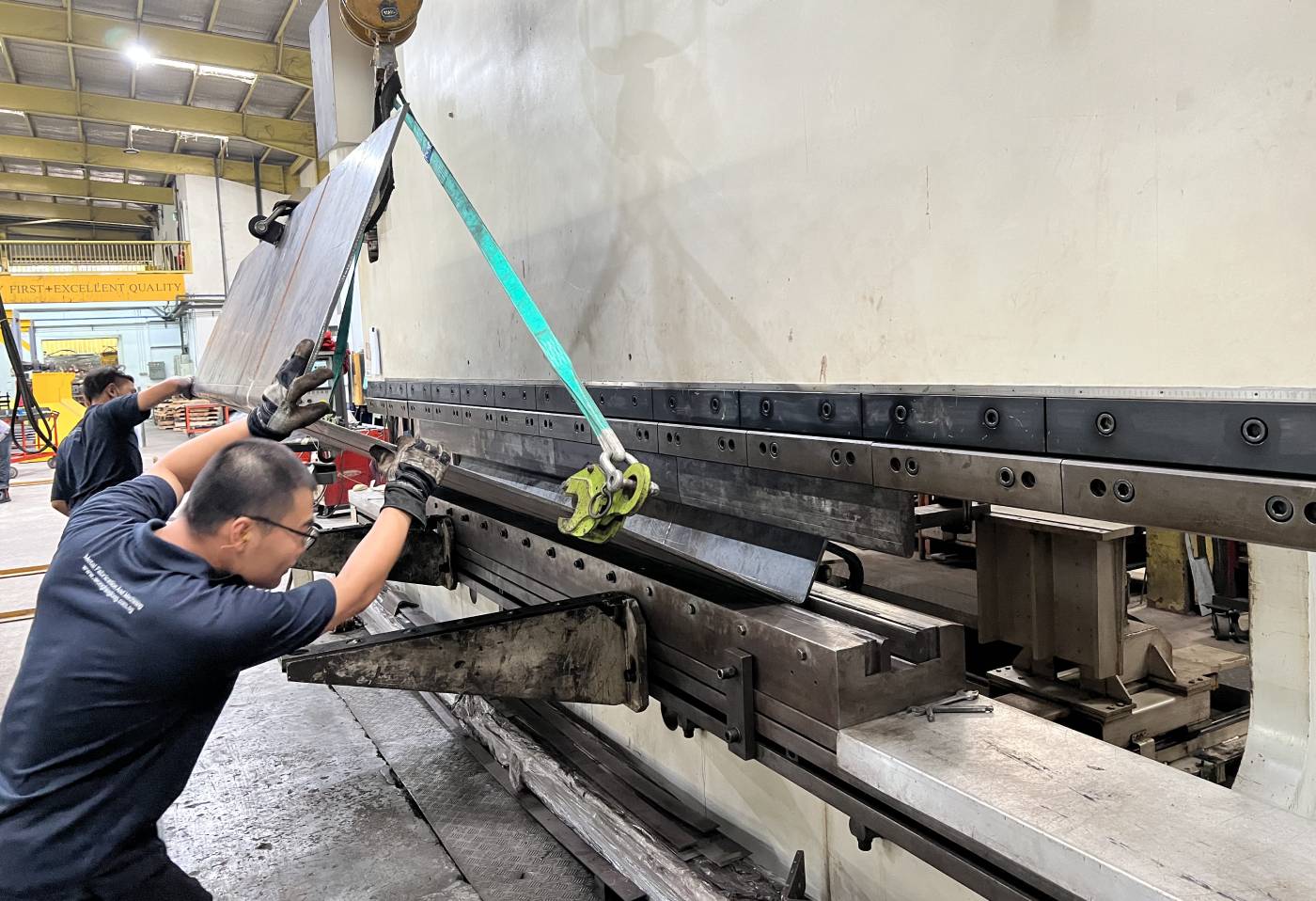
Precision Sheet Metal Bending for Appliance Manufacturing: 2026 Insights into Design & Production
When you interact with a household appliance—whether it's the sleek door of a refrigerator, the sturdy casing of a washing machine, or the intricate components within an oven—it is easy to overlook the complex engineering that gives these products their form, function, and durability. The seamless fit of panels, the robustness of internal structures, and the pristine finish of exterior surfaces are not accidental. They are the direct result of precision manufacturing processes, among which sheet metal bending for appliance manufacturing stands as a fundamental technique. Without meticulous control over how flat sheets of metal are transformed into three-dimensional shapes, modern appliances would lack the reliability, safety, and aesthetic appeal consumers expect.
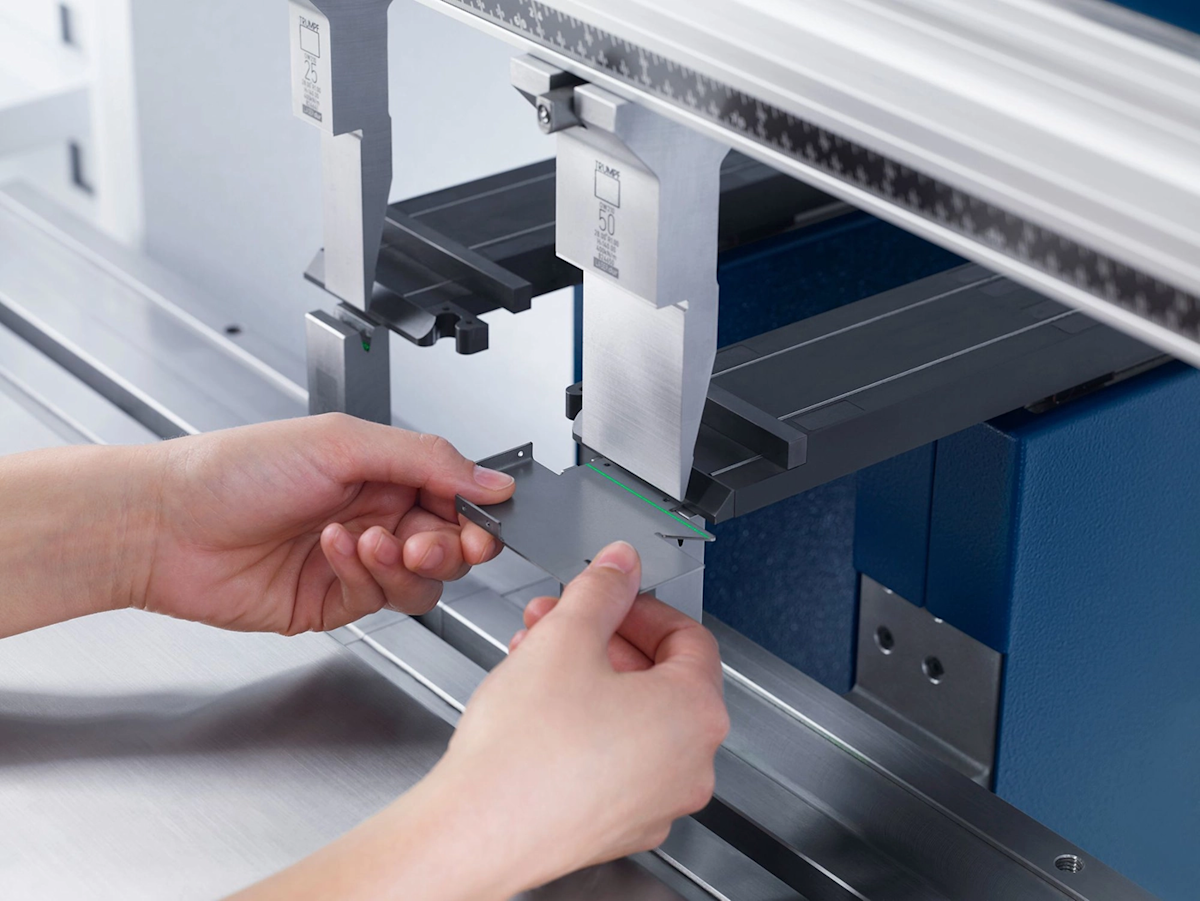
The challenge in appliance manufacturing isn't merely shaping metal; it's about achieving incredibly tight tolerances, repeatable quality across millions of units, and often, a flawless surface finish that directly impacts a product's market appeal. This article delves into the specific design and production insights required to master precision sheet metal bending within this demanding industry, providing a foundational understanding of its critical role.
The Unseen Engineering Behind Everyday Appliances
The seemingly simple act of bending a metal sheet into a complex component for an appliance masks a sophisticated interplay of material science, machine precision, and meticulous design. This process is indispensable for several reasons, directly impacting an appliance's market success and operational lifespan.
Ensuring Durability and Performance
Appliances are built to last and endure various operational stresses. For example, a washing machine chassis must withstand constant vibrations, a refrigerator door panel must resist frequent opening and closing, and an oven cavity needs to endure extreme temperatures. Precision sheet metal bending provides the structural integrity necessary for components like enclosures, frames, and brackets to meet these demands. High-quality fabrication ensures that these parts not only fit together accurately but also contribute to the appliance's overall resilience against heat, moisture, mechanical stress, and other operational conditions, directly influencing its long-term reliability and performance (Source 5, retrieved 2026-11-21).
Meeting Aesthetic and Design Standards
For consumer appliances especially, appearance is paramount. A dented corner, an uneven gap, or a scratched surface on a refrigerator door or an oven control panel is unacceptable. Precision bending is crucial for achieving the consistent visual appeal required for visible appliance parts. It ensures crisp lines, smooth curves, and accurate angles, maintaining the intended aesthetic design and preserving the cosmetic finish. This means that specialized approaches, such as preventing marring during the bending process, become a core requirement.
Facilitating Efficient Assembly and Production
In high-volume appliance manufacturing, every second counts on the assembly line. Components that do not fit together perfectly lead to delays, rework, and increased costs. Precisely bent sheet metal parts ensure streamlined assembly, reducing manufacturing bottlenecks and optimizing production efficiency. When every bend is accurate to specification, components align effortlessly, leading to faster assembly times and lower overall production costs. For those seeking a broader understanding of how these foundational processes contribute, exploring general insights into What Is Sheet Metal Fabrication can provide valuable context.
Criticality for Electrical Safety and Regulatory Compliance
Many appliance components house electrical systems. Precision bending ensures that enclosures provide adequate protection for electrical wiring and components, maintaining critical clearances, and preventing hazards. Consistent dimensional accuracy, a direct outcome of precision bending, is vital for achieving the safety standards required by regulatory bodies globally. This adherence to strict specifications contributes significantly to the appliance's electrical safety, protecting users and ensuring product compliance (Source 5, retrieved 2026-11-21).
The Core Mechanics of Sheet Metal Bending in Appliance Production
Understanding the fundamental principles of sheet metal bending is essential to appreciating the precision required in appliance manufacturing. The process transforms a two-dimensional sheet into a three-dimensional form through controlled deformation.
Understanding Material Behavior: From Flat Sheet to Formed Part
When a metal sheet is bent, the material undergoes both elastic and plastic deformation. Initially, as pressure is applied, the metal flexes elastically. As pressure increases, it reaches its yield strength, and plastic deformation begins, causing the metal to permanently change shape. However, when the bending force is removed, the material experiences a phenomenon called "springback," where it partially returns to its original shape due to elastic recovery. Managing springback is critical for achieving the desired bend angle and is a primary focus in precision bending for appliance components.
Key Equipment: CNC Press Brakes and Panel Benders
Modern sheet metal bending in appliance manufacturing heavily relies on advanced machinery. CNC (Computer Numerical Control) press brakes are widely used, offering high degrees of accuracy and repeatability. These machines use a punch and a die to form bends, with the CNC system controlling the punch's depth and the backgauge's position to dictate bend angle and flange length. For components with multiple bends or complex geometries, panel benders offer an alternative. They typically clamp the sheet and rotate a bending blade around the edge, which can be advantageous for parts with sensitive surfaces or for achieving specific bend sequences. The choice between a press brake and a panel bender often depends on the part's geometry, material, and required production volume.
Common Bending Techniques: Air Bending, Bottoming, and Coining
Several techniques are employed in sheet metal bending, each with distinct characteristics:
- Air Bending: This is the most common method, where the punch pushes the sheet into the V-opening of the die without making full contact with the bottom. The final bend angle is determined by the depth the punch penetrates the die, allowing for flexibility in achieving various angles with a single set of tooling. Air bending inherently involves more springback, requiring accurate compensation in the machine's programming.
- Bottoming: In this technique, the punch is forced to the bottom of the die, essentially "bottoming out." This creates a more consistent angle, as the angle is largely determined by the punch and die geometry, making it less susceptible to material variations than air bending.
- Coining: This involves applying significant force to stamp the material between the punch and die, plastically deforming and thinning the material at the bend line. While it produces highly accurate and repeatable angles with minimal springback, it requires very high tonnage and specific tooling, and is less common in general sheet metal bending for appliances due to the forces involved and potential material thinning.
Controlling Variables: Bend Radius, Springback, and Tolerances
Achieving precision in bending requires meticulous control over several factors:
- Bend Radius: The inside radius of the bend is critical for material integrity and part functionality. Too sharp a bend can weaken the material and lead to cracking, while too large a radius might interfere with assembly.
- Springback: As discussed, springback must be anticipated and compensated for. Modern CNC machines often have databases for different materials and thicknesses, or they can perform test bends and measure the resulting angle to automatically adjust the bend depth.
- Tolerances: Appliance components demand tight tolerances, sometimes within fractions of a millimeter. This necessitates high-precision machinery, accurate tooling, and stringent quality control. The ability of sheet metal bending to revolutionize product design in broader contexts is explored further in articles like The Hidden Superpower Of Modern Manufacturing How Sheet Metal Bending Revolutionizes Product Design.
Specialized Considerations for Appliance Component Fabrication
The unique demands of appliance manufacturing necessitate specific approaches to material handling, tooling, and design practices to ensure both functionality and aesthetic quality.
Achieving Mar-Free Bends with Polyurethane Tooling
One of the most significant challenges in bending visible appliance components, particularly those made from pre-painted or polished metals, is preventing cosmetic damage. Traditional steel tooling can leave marks, scratches, or indentations on the surface. To counteract this, specialized tooling, such as polyurethane die tooling and Smart Pads® Systems, is frequently employed (Source 1, retrieved 2026-11-21). These soft, durable materials cushion the metal during the bending process, allowing manufacturers to achieve mar-free bends. This is critical for maintaining the high-gloss, pristine finishes expected on consumer-facing appliance parts, preventing costly rework and ensuring product appeal.
Material Selection for Performance and Aesthetics
The choice of material is fundamental to an appliance's performance, cost, and aesthetic qualities. Manufacturers carefully select materials based on specific requirements:
- Stainless Steel and Aluminum: Corrosion Resistance and Weight: Stainless steel is prized for its exceptional corrosion resistance, strength, and hygienic properties, making it ideal for components in kitchens and areas exposed to moisture or harsh cleaning agents (Source 4, retrieved 2026-11-21; Source 5, retrieved 2026-11-21). Aluminum offers a lightweight alternative with good rust resistance and excellent thermal conductivity, beneficial for heat dissipation in certain electrical components or for reducing overall product weight.
- Mild Steel and Galvanized Steel: Structure and Cost-Efficiency: Mild steel, like Steel 1018, is a common choice for internal structural components and frames due to its ductility and cost-effectiveness. It is often finished with powder coating for enhanced corrosion protection. Galvanized or cold-rolled steel provides structural strength and improved corrosion protection through its zinc coating, making it suitable for unexposed or less critical structural parts within appliances (Source 4, retrieved 2026-11-21; Source 5, retrieved 2026-11-21). The selection always balances material properties with cost, manufacturability, and end-use environment.
The Interplay of Design and Manufacturing
Effective appliance manufacturing integrates engineering input early in the design phase. This approach, often termed Design for Manufacturability (DFM), focuses on optimizing component design to simplify the bending process, reduce material waste, and minimize assembly issues. Considerations include:
- Optimal Bend Radii: Specifying appropriate bend radii for chosen materials and thicknesses to prevent cracking and ensure material integrity.
- Minimum Flange Lengths: Ensuring sufficient material for clamping and bending without distortion.
- Feature Placement: Arranging holes, cutouts, and other features to avoid interference with tooling during bending.
- Springback Compensation: Designing parts with anticipated springback in mind, allowing for adjustments in the bending process. This proactive collaboration between designers and manufacturers is key to controlling costs and achieving high-quality components efficiently (Source 5, retrieved 2026-11-21).
Integrating Quality and Complementary Processes
Precision bending is rarely a standalone process in appliance manufacturing. It forms part of a larger fabrication ecosystem, all operating under strict quality control.
Upholding Standards: The Role of ISO 9001:2015 in Appliance Manufacturing
Quality is non-negotiable in appliance manufacturing. Adherence to strict quality control standards, such as ISO 9001:2015 certification, is a common practice in appliance metal fabrication (Source 5, retrieved 2026-11-21). This certification indicates a robust quality management system, ensuring consistency in processes, documentation, and continuous improvement. For precision bending, this translates into rigorous inspection protocols, calibration of machinery, and meticulous material traceability, all contributing to the consistent production of high-quality components that meet or exceed specifications.
Beyond Bending: Comprehensive Fabrication for Appliance Components
While sheet metal bending is critical, it is typically one step in a multi-stage fabrication journey. Comprehensive fabrication for appliances integrates other essential processes to create a complete component or assembly (Source 5, retrieved 2026-11-21). These include:
- Laser Cutting: For precisely cutting flat metal sheets into blanks before bending.
- Punching: For creating holes, slots, or specific shapes in the sheet.
- MIG/TIG Welding: For joining multiple bent components to form complex assemblies, such as chassis or enclosures.
- CNC Machining: For adding features that require higher precision than achievable with cutting or punching, or for creating threaded holes.
- Assembly: Bringing all components together to form the final part or sub-assembly.
- Finishing Techniques: Such as powder coating, which not only enhances the appearance but also provides additional corrosion resistance and durability for appliance components (Source 5, retrieved 2026-11-21). Each of these processes must be executed with precision to complement the accuracy of the bending operation.
The Journey to Assembly: How Precision Bending Impacts Final Product Quality
The ultimate test of precision bending lies in how well the components integrate into the final appliance. Accurately bent parts facilitate a smooth and efficient assembly line, minimizing errors and reducing waste. More importantly, they ensure that the finished appliance functions as intended, providing the structural integrity, electrical safety, and aesthetic quality that defines a reliable and desirable product. In essence, the precision achieved in the initial bending stages propagates through the entire manufacturing process, directly influencing the appliance's performance, safety, and longevity.
Real-World Applications of Precision Sheet Metal Bending in Appliances
The versatility of precision sheet metal bending makes it applicable across a vast array of appliance types, from everyday consumer goods to specialized industrial equipment.
Structural Components: Enclosures, Frames, and Chassis
Every appliance requires a robust internal structure. Precision bending is used to create the foundational enclosures, frames, and chassis that provide the main support and house all other components. For example, the outer casing of a dishwasher, the internal framework of a refrigerator, or the support structure for an industrial oven are all typically formed through a series of precise bends. These components must be dimensionally accurate to ensure all internal parts fit correctly and the appliance maintains its shape over time (Source 5, retrieved 2026-11-21).
Functional and Aesthetic Panels: Doors, Covers, and Fascias
The visible panels of an appliance—doors, side covers, control fascias—are where aesthetic precision is most critical. Whether it's the sleek, flat panel of a modern microwave or the contoured door of a washing machine, these parts are shaped using precision bending techniques that prevent marring and maintain a flawless surface finish. The bends must be consistently accurate across high production volumes to ensure uniform appearance and tight, even gaps between components, contributing to the appliance's perceived quality.
Internal Brackets and Mounts
Beyond large structural components, countless smaller brackets, mounts, and supports are created through precision bending. These parts are essential for holding circuit boards, motors, sensors, and other internal components securely in place. Their accuracy ensures proper alignment and prevents vibration or movement during operation, which could otherwise lead to malfunctions or noise.
Impact on Consumer, Commercial, and Industrial Appliances
The principles of precision sheet metal bending apply universally across different segments of the appliance industry.
- Consumer Appliances: For kitchen appliances (ovens, refrigerators, dishwashers), laundry appliances (washers, dryers), and home comfort systems (HVAC units), precision ensures safety, energy efficiency, and consumer satisfaction.
- Commercial Equipment: In food service equipment, vending machines, and large-scale HVAC systems, durability, hygiene, and operational reliability are paramount, all relying on precisely formed metal components.
- Electrical and Industrial Automation: While not strictly "appliances," the enclosures and panels for control systems and industrial automation also leverage these precise bending techniques for robust, protective housings.
The pervasive application underscores that precision sheet metal bending is not merely a manufacturing step; it is an integral design and production strategy that shapes the quality and functionality of almost every appliance we encounter.
The journey from a flat sheet of metal to a precisely formed component within an appliance is complex, demanding a deep understanding of materials, machinery, and meticulous quality control. Precision sheet metal bending is a cornerstone of appliance manufacturing, directly influencing a product's structural integrity, aesthetic appeal, assembly efficiency, and critical safety standards. As appliance designs evolve towards greater sophistication and efficiency, the demand for even higher precision and innovative bending solutions will only increase. Professionals in the field should continue to explore advancements in materials science, automated bending technologies, and integrated design-for-manufacturability principles to push the boundaries of what is possible in appliance component fabrication.
