

Selecting a metal stamping service requires careful consideration of various factors, from design and material choices to tooling and quality control. This guide aims to help buyers navigate the process by outlining key considerations and questions to ask potential suppliers. Understanding the intricacies of metal stamping can lead to more efficient production, higher quality parts, and better overall project outcomes.
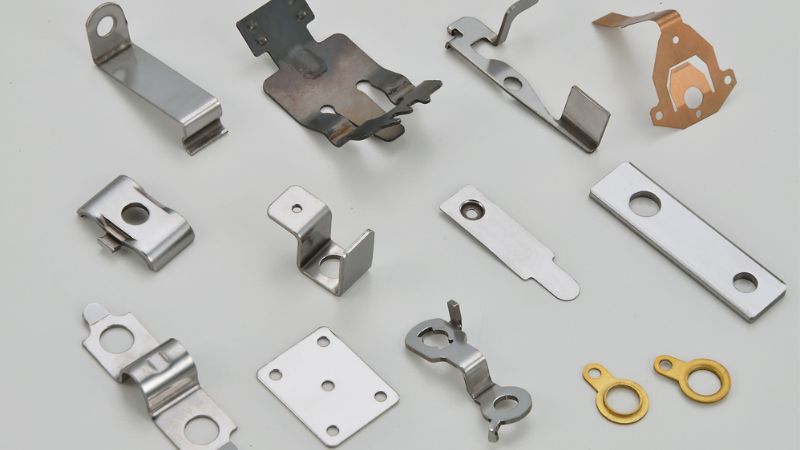
Understanding Metal Stamping Processes
Metal stamping is a manufacturing process that transforms flat sheet metal into specific shapes. This is achieved by placing the sheet metal in a stamping press, where a tool and die surface form the metal into the desired shape. The process can involve several techniques, including punching, blanking, bending, coining, and flanging. Each method serves a different purpose in shaping the metal part.
For instance, punching involves using a punch and die to create holes or profiles in sheet metal, while blanking is used to cut out a complete part from a larger sheet [S3]. The specific method employed by a supplier will depend on the part’s design, material, and required tolerances. It is important to confirm the actual stamping or punching method and the tooling approach with any prospective supplier [S1].
Key Considerations for Metal Stamping Design
Effective design is crucial for successful metal stamping. The design phase often involves collaboration between the buyer and the stamping service provider to optimize the part for manufacturability. Key design considerations include:
- Part Geometry: The complexity of the part’s shape directly influences the tooling required and the feasibility of the stamping process. Features such as bends, holes, and formed elements need to be carefully designed to ensure they can be produced efficiently and accurately. For formed features, it’s important to distinguish between flat and formed dimensions [S3].
- Feature Spacing: The distance between features, such as holes or bends, can impact the integrity of the part and the tooling design. Insufficient spacing might lead to material deformation or tooling issues [S3].
- Tolerances: Specifying appropriate tolerances is vital. Tighter tolerances often require more precise tooling and processes, which can affect cost and lead time. Buyers should discuss critical dimensions and inspection methods with the supplier [S1, S3].
- Drawing Revisions: Maintaining clear and up-to-date drawing revisions is essential for communication and ensuring that all parties are working with the latest specifications [S1].
Material Selection for Stamped Parts
Choosing the right material is a critical step that impacts the part’s performance, manufacturability, and cost. Material selection should consider the required properties, how easily the material can be manufactured, its appearance, and the overall cost [S2].
Common materials used in metal stamping include various grades of steel (e.g., stainless steel, carbon steel), aluminum, copper, and brass. Each material possesses unique characteristics that make it suitable for different applications. For example, stainless steel offers corrosion resistance, while aluminum is known for its lightweight properties.
When selecting a material, buyers should consider:
- Mechanical Properties: Strength, hardness, ductility, and fatigue resistance are important factors depending on the part’s intended use.
- Formability: How well the material can be shaped without cracking or tearing during the stamping process.
- Corrosion Resistance: Essential for parts exposed to harsh environments.
- Cost: The price of raw material can significantly impact the overall project budget.
It is advisable to discuss material specifications with the stamping service provider, as they can offer insights into the manufacturability of specific materials for your part geometry and process constraints [S1, S2].
The Importance of Tooling in Metal Stamping
Tooling, specifically the punch and die, is at the heart of the metal stamping process. The quality and design of the tooling directly affect the precision, consistency, and cost-effectiveness of the stamped parts. Tooling can range from simple single-stage dies to complex progressive dies that perform multiple operations in sequence.
- Die Construction: The process of designing and manufacturing the dies is a specialized skill. The die must be robust enough to withstand repeated stamping operations and precise enough to produce parts within specified tolerances [S1].
- Tooling Plan: A clear tooling plan should be established, outlining the type of tooling to be used, its construction, and maintenance. Custom tooling can influence both the price and the timing of a project [S3].
- Tooling Ownership and Maintenance: Buyers should clarify who owns the tooling after its construction and who is responsible for its maintenance and repair over the life of the project.
Prototyping and Production Workflow
The journey from design to final production typically involves several stages to ensure the part meets all requirements.
- Prototyping: Before committing to full-scale production, prototyping allows for testing the design, material, and tooling. This stage helps identify and resolve potential issues early, reducing the risk of costly errors in mass production [S1]. Prototype acceptance criteria should be clearly defined and agreed upon.
- Production: Once the prototype is approved and all specifications are finalized, the production phase begins. This involves the actual stamping of parts in the required quantities. The production workflow should be well-defined, including material handling, stamping operations, and any secondary processes like deburring or finishing.
- Delivery: Buyers should inquire about estimated delivery times to ensure they can meet project deadlines.
Quality Control and Inspection in Metal Stamping
Quality control is paramount in metal stamping to ensure that all parts meet the specified design and performance criteria. A robust inspection process is essential throughout the manufacturing workflow.
- Inspection Evidence: Buyers should request details on the inspection methods and evidence provided by the supplier. This could include statistical process control (SPC) data, first article inspection (FAI) reports, or other quality documentation [S1].
- Measurement and Testing: Discuss the measurement tools and testing procedures used to verify dimensions, material properties, and functional performance of the stamped parts.
Questions to Ask Your Metal Stamping Service Provider
To ensure a successful partnership and project outcome, buyers should prepare a comprehensive list of questions for potential metal stamping service providers. Here are some key areas to cover:
-
Design and Engineering:
- What is your process for reviewing and optimizing part designs for manufacturability?
- How do you handle drawing revisions and ensure all parties are working with the latest specifications?
- Can you provide guidance on feature spacing and tolerances for my specific part?
-
Material Selection:
- What materials do you typically work with, and do you have recommendations for my application?
- How do you ensure the quality and traceability of raw materials?
- What are the material-specific manufacturing constraints I should be aware of for my part geometry?
-
Tooling:
- What type of tooling (e.g., progressive die, compound die) do you recommend for my part, and why?
- What is your process for die construction and maintenance?
- Who owns the tooling after its initial construction, and what are the terms for its maintenance?
- How will custom tooling affect the project’s price and timeline?
-
Prototyping and Production:
- What is your prototyping process, and what is the typical lead time for prototypes?
- What are your procedures for prototype acceptance?
- How do you manage production scheduling and ensure on-time delivery?
- How do you assess your factory’s production capability to meet my project needs?
-
Quality Control and Inspection:
- What quality control measures do you have in place throughout the stamping process?
- What inspection evidence will you provide (e.g., FAI reports, SPC data)?
- How do you handle non-conforming parts, and what is your corrective action process?
- How do you assess your quality management system and any relevant certifications?
-
Project Management and Communication:
- What is your typical communication process during a project?
- Who will be my primary point of contact?
- How do you manage changes or issues that arise during the project?
By asking these detailed questions, buyers can gain a clearer understanding of a supplier’s capabilities, processes, and commitment to quality, ultimately leading to a more informed decision when selecting a metal stamping service.
