

Stainless steel 316L is a material often considered for industrial applications requiring enhanced corrosion resistance. Understanding its properties and how they compare to other grades is crucial for effective material selection. This article explores key considerations for buyers and designers working with 316L stainless steel, emphasizing the importance of clear communication with suppliers.
Understanding 316L Stainless Steel
Stainless steel 316L is a low-carbon version of 316 stainless steel. Both 316 and 316L are austenitic stainless steels, known for their good formability and weldability. The primary distinction lies in the carbon content, with 316L having a lower carbon level. This lower carbon content is particularly beneficial in welded structures, as it helps to minimize carbide precipitation during welding. Carbide precipitation can lead to a reduction in corrosion resistance in the heat-affected zone, a phenomenon sometimes referred to as sensitization [S1].
Designations for 316 and 316L stainless steel include 1.4401 and 1.4404, respectively, under European standards [S1]. When specifying this material, it is important for buyers to confirm the exact grade and specification with the supplier to ensure the correct material is provided for the intended application.
Key Properties of 316L Stainless Steel
An important characteristic of 316L stainless steel is its improved corrosion resistance, particularly in environments containing chlorides. This enhanced resistance is primarily attributed to the addition of molybdenum to its alloy composition [S1, S3]. Compared to 304 stainless steel, which lacks molybdenum, 316L can offer better performance in certain corrosive conditions. However, this does not establish corrosion immunity or compatibility with every chemical, chloride concentration, or temperature [S1]. Buyers should define the service environment, product form, joining process, finish, and inspection requirements with the supplier [S1].
Key properties to consider for 316L include:
- Corrosion Resistance: Molybdenum content can provide better resistance to pitting and crevice corrosion, especially in environments containing chlorides [S1, S3].
- Weldability: The low carbon content of 316L reduces the risk of sensitization during welding, making it a preferred choice for welded assemblies where post-weld annealing is not feasible [S1].
- Formability: Like other austenitic stainless steels, 316L generally exhibits good formability, allowing for various manufacturing processes.
- Mechanical Properties: Buyers should confirm specific mechanical property requirements with their supplier, as these are not universally guaranteed without a confirmed specification [S1].
Comparing 316L with other Stainless Steel Grades
When selecting stainless steel, it’s common to compare 316L with other widely used grades, particularly 304/304L. The main difference, as mentioned, is the presence of molybdenum in 316/316L [S1, S3].
- 304/304L vs. 316/316L: 304/304L stainless steel is a general-purpose grade suitable for many applications, especially those not exposed to highly corrosive environments. 316/316L, with its molybdenum content, is typically chosen for more aggressive conditions, such as marine environments and chemical processing, where higher corrosion resistance is critical [S1, S3]. The choice between these grades depends heavily on the specific service environment and required performance. Material selection should consider the required properties, manufacturability, appearance, and cost together [S2].
Applications Benefiting from 316L Stainless Steel
Due to its improved corrosion resistance, particularly in chloride-containing environments, 316L stainless steel is often specified for applications where exposure to harsh conditions is expected. These can include:
- Marine Environments: Components exposed to saltwater or brackish water. The molybdenum content helps resist pitting and crevice corrosion that can occur in such settings [S1, S3].
- Chemical Processing Equipment: Parts used in the handling and processing of various chemicals, where resistance to a range of corrosive media is necessary [S1].
- Food and Beverage Industry: While 316L is often used in this sector, buyers must confirm specific food-contact compliance, passivation, and certification requirements with their supplier, as these are not inherent properties of the material itself [S1, S3].
- Architectural Applications: In coastal or polluted urban areas, 316L can offer better long-term aesthetic and structural integrity compared to less resistant grades.
It is crucial for buyers to define the specific service environment and any regulatory requirements when considering 316L for an application [S1].
Design Considerations for 316L Components
Designing components with 316L stainless steel requires attention to several factors to ensure optimal performance and manufacturability:
- Environmental Compatibility: Thoroughly define the operating environment, including chemical exposure, temperature ranges, and potential chloride concentrations. This information is vital for the supplier to confirm material suitability [S1].
- Part Geometry and Complexity: The design should consider the capabilities of the chosen manufacturing process. Complex geometries might require specific machining or forming techniques. Buyers should discuss part geometry and process constraints with their supplier [S2].
- Surface Finish: The desired surface finish can impact both appearance and corrosion resistance. Options like brushed finish are available, but the final appearance should be agreed upon with the supplier [S3]. Surface finish can also influence cleanliness and hygiene in certain applications.
- Joining Methods: If welding is involved, the low carbon content of 316L is advantageous for minimizing sensitization. However, the specific welding process and post-weld treatment (if any) should be discussed and confirmed with the supplier [S1, S3].
Manufacturing Processes for 316L Parts
316L stainless steel can be processed using various manufacturing techniques, depending on the part’s design and required properties. Common processes include:
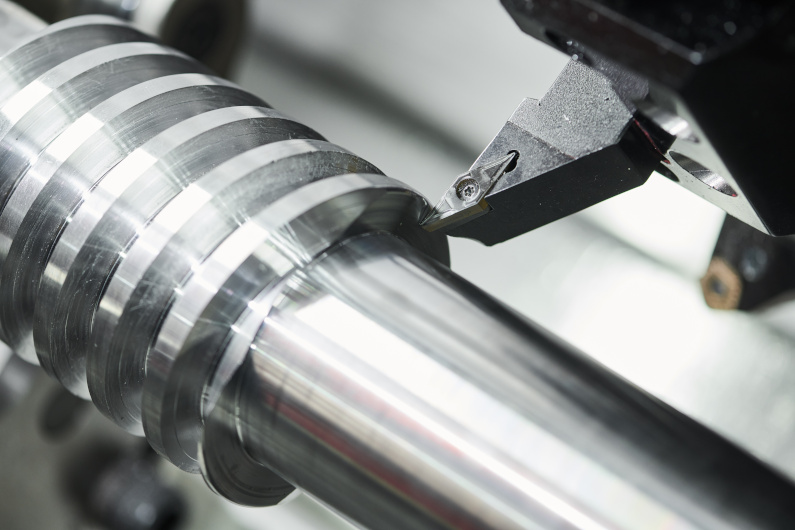
- CNC Machining (Milling and Turning): Suitable for producing precise components with complex features. Material selection should consider manufacturability, and suppliers often organize material choices by manufacturing process [S2]. Buyers should inquire about the supplier’s specific machining capabilities for 316L, including any size or geometry limitations [S2].
- Sheet Metal Fabrication: For parts made from sheet stock, processes like cutting, bending, and forming are used. 316L’s formability makes it suitable for many sheet metal applications [S3]. Factors like formability and welding are important selection considerations for sheet metal [S3].
- Welding: As an austenitic stainless steel, 316L is generally weldable. Its low carbon content helps prevent sensitization during welding, which is a key advantage [S1, S3]. The supplier should be consulted regarding appropriate welding procedures and any necessary post-weld inspections.
When discussing manufacturing with a supplier, it is important to specify the desired product form and any specific process requirements [S1].
Ensuring Quality and Compliance with 316L Projects
To ensure the quality and compliance of 316L stainless steel components, buyers should establish clear expectations and requirements with their supplier:
- Material Certification: Request material certifications to verify the grade and chemical composition of the supplied material. This helps confirm that the correct 316L specification (e.g., 1.4404) is being used [S1].
- Inspection Requirements: Define any necessary inspection methods or quality control procedures. This could include dimensional checks, surface finish inspections, or non-destructive testing.
- Performance Validation: For critical applications, discuss how the supplier will validate the performance of the part against specified requirements, especially concerning corrosion resistance in the defined service environment [S1].
- Documentation: Agree on the required documentation, which might include material test reports, process records, or compliance certificates.
Questions to Ask Your Supplier for 316L Projects
Engaging in detailed discussions with your supplier is essential for successful 316L stainless steel projects. Here are key questions to consider:
- What specific grade and specification of 316L stainless steel do you provide (e.g., 1.4404)? [S1]
- Can you confirm the material’s compatibility with our specific service environment, including chemical exposure, temperature, and chloride concentrations? [S1]
- What are your capabilities for manufacturing parts from 316L, including machining, forming, and welding? Are there any limitations regarding part size or complexity? [S2, S3]
- What surface finishes are available for 316L components, and how do they impact corrosion resistance and appearance? [S3]
- What quality control measures and inspection procedures do you have in place for 316L parts? [S1]
- Can you provide material certifications and any other required documentation? [S1]
- How do you ensure the mechanical properties of the finished parts meet our specifications? [S1]
By addressing these questions, buyers can make informed decisions and ensure that the selected 316L stainless steel components meet their industrial application requirements.
