
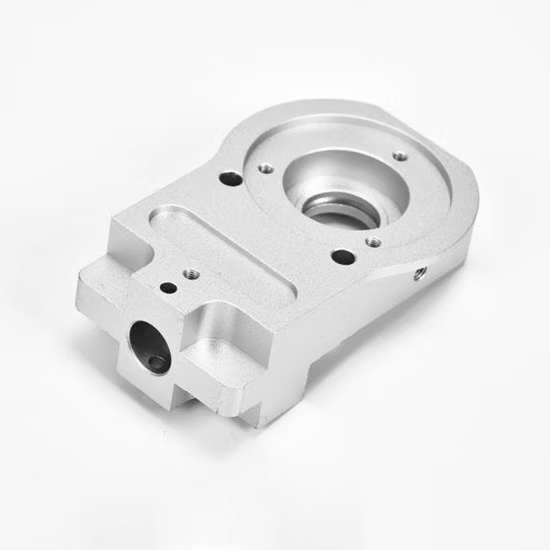
Aluminum 5052 is a widely used aluminum-magnesium alloy known for its combination of properties that make it suitable for various applications in metal fabrication [S1]. When selecting materials for a project, understanding the characteristics of Aluminum 5052 and how to specify it correctly is crucial for achieving the desired performance and manufacturability [S1, S4]. This guide aims to help buyers navigate the selection process, highlighting key considerations and questions to ask potential suppliers.
Understanding Aluminum 5052: An Overview
Aluminum 5052 is part of the 5xxx series of aluminum alloys, which are primarily alloyed with magnesium. This magnesium content contributes significantly to its properties, particularly its strength and corrosion resistance [S1]. It is often designated as EN AW-5052 in European standards [S1].
Unlike some other aluminum alloys, 5052 is not heat-treatable for strengthening. Instead, its mechanical properties are primarily enhanced through cold working and temper conditions [S1]. This means that the specific temper, such as H32, plays a critical role in defining the material’s final characteristics, including its formability and strength [S1, S5].
Key Properties of Aluminum 5052
Several properties make Aluminum 5052 a popular choice for sheet metal fabrication and other applications:
- Corrosion Resistance: Aluminum 5052 exhibits good corrosion resistance, particularly in marine environments and against saltwater [S1, S5]. This is a significant advantage over some other aluminum alloys, making it suitable for outdoor and coastal applications.
- Formability: This alloy is known for its excellent formability, allowing it to be bent, drawn, and shaped into complex geometries [S1, S5]. Its ability to undergo cold working without significant cracking is a key factor in its widespread use for formed parts.
- Weldability: Aluminum 5052 generally offers good weldability, which is important for assemblies that require joining multiple components [S1, S5]. However, the specific welding process and filler material should be discussed with the fabricator to ensure optimal joint integrity.
- Moderate Strength: While not as strong as some heat-treatable alloys like 6061, 5052 provides moderate strength, which is sufficient for many structural and non-structural applications [S5]. Its strength-to-weight ratio is often favorable.
Factors Influencing 5052 Aluminum Properties
The properties of Aluminum 5052 are not static; they depend heavily on several factors that buyers must consider when specifying the material:
- Temper Condition: The temper of the aluminum, such as H32, H34, or H112, significantly affects its mechanical properties, including tensile strength, yield strength, and ductility [S1, S5]. For example, 5052-H32 is described as formable and moderately strong [S5]. It is crucial to specify the correct temper for the intended application to ensure the material meets performance requirements.
- Product Form: Aluminum 5052 is available in various product forms, such as sheet, plate, and coil. The specific form may influence available dimensions and processing capabilities [S1].
- Material Standard: Specifying the applicable material standard (e.g., ASTM, EN AW) helps ensure consistency in composition and properties from different suppliers [S1].
Applications of Aluminum 5052
Due to its combination of corrosion resistance, formability, and moderate strength, Aluminum 5052 is used in a diverse range of industries and products. Common applications include:
- Marine components, such as boat hulls and fuel tanks, where saltwater corrosion resistance is critical [S1, S5].
- Automotive parts, including body panels and brackets, benefiting from its formability and lighter weight.
- Electronic enclosures and chassis, where good formability and a clean finish are desired.
- General sheet metal fabrication for various industrial and consumer goods [S5].
Specifying Aluminum 5052 for Your Project
Accurate specification is key to a successful project. When requesting Aluminum 5052 parts, buyers should provide comprehensive information to their supplier. This includes:
- Material Grade and Temper: Clearly state “Aluminum 5052” and the specific temper, such as “5052-H32” [S1, S5].
- Dimensions and Tolerances: Provide a detailed drawing with all critical dimensions, including thickness, bend radii, and any other geometric features [S3, S7]. Discussing required tolerances with the supplier is essential, as these can impact manufacturing feasibility and cost [S1].
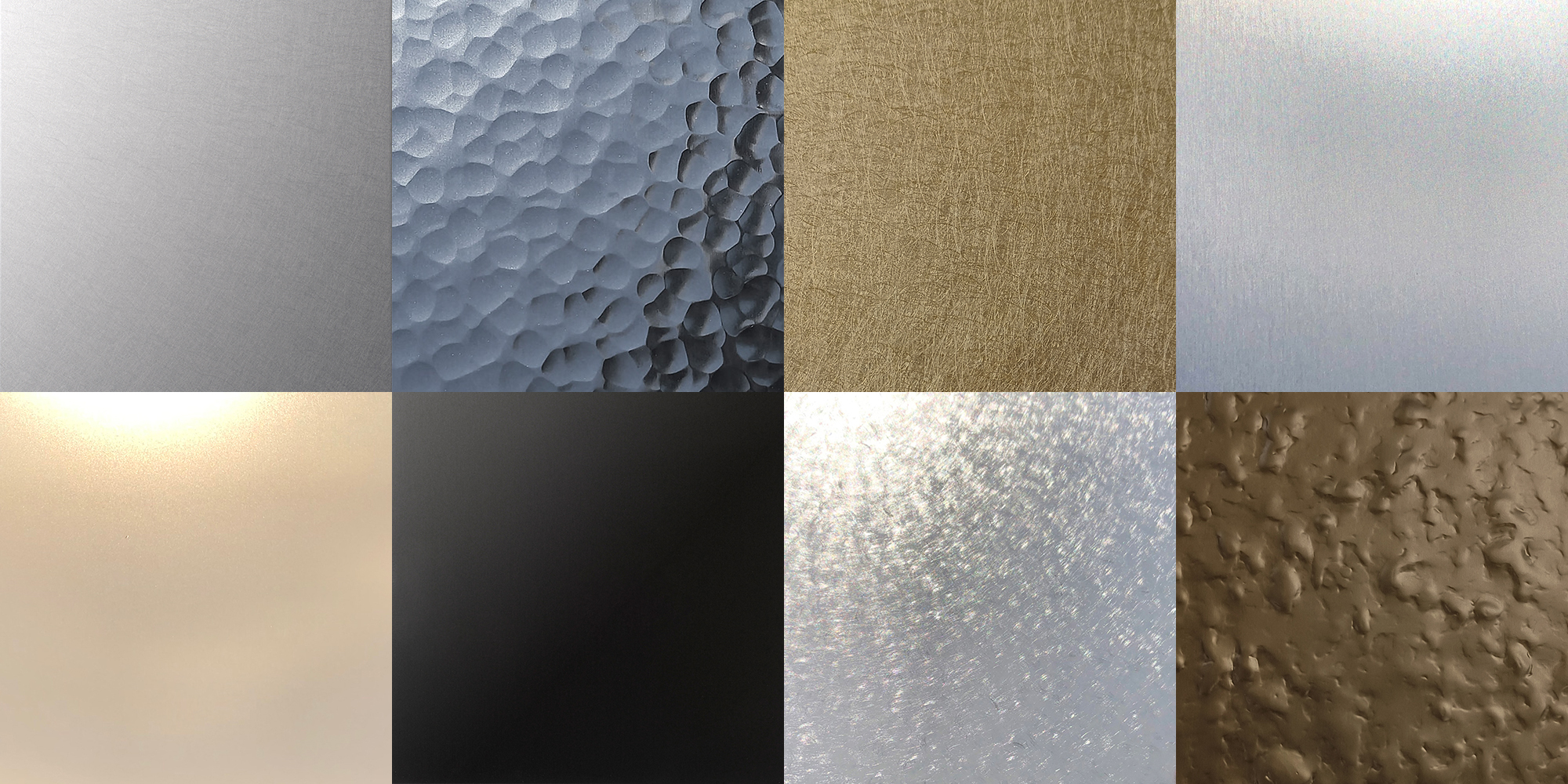
- Surface Finish: Specify the desired surface finish, such as a mill finish, brushed finish, or anodized finish [S5]. The finish can affect both appearance and performance.
- Quantity and Delivery Requirements: Communicate the required quantity of parts and any specific delivery timelines.
- Environmental Suitability: Describe the intended service environment, including exposure to chemicals, temperature ranges, or other conditions that might affect material performance [S1].
Considering Manufacturing Processes for 5052 Aluminum
Aluminum 5052 is highly amenable to various manufacturing processes, particularly those involving forming. When designing parts and selecting a supplier, consider the following:
Sheet Metal Bending
Aluminum 5052’s excellent formability makes it a prime candidate for sheet metal bending [S1, S5]. However, successful bending requires careful consideration of design elements:
- Bend Radii: The inside bend radius is a critical parameter. It should be appropriate for the material thickness and temper to prevent cracking or excessive thinning [S7]. Consistent bend radii across a part can simplify tooling and setup [S7].
- Flange Geometry: The geometry of flanges and their proximity to bends can affect the forming process. Ensure there is adequate material for the bend and that flanges do not interfere with tooling [S3, S7].
- Bend Relief: For parts with features near a bend line, bend relief cuts may be necessary to prevent material tearing or distortion [S7].
- Forming Sequence: For complex parts with multiple bends, the forming sequence is important to ensure manufacturability and prevent collisions with tooling [S3].
Other Fabrication Processes
Beyond bending, Aluminum 5052 can be processed using other methods:
- Cutting: Laser cutting, plasma cutting, waterjet cutting, and shearing are common methods for cutting 5052 sheet and plate.
- Welding: As noted, 5052 is weldable. The specific welding method (e.g., TIG, MIG) and filler material should be chosen based on the application and discussed with the fabricator [S1].
- Machining: While primarily a sheet material, 5052 can also be machined. The specific machining process (e.g., CNC milling, turning) will depend on the part geometry and required features [S4].
Questions to Ask Your Supplier About Aluminum 5052
To ensure your project’s success, engage in a detailed discussion with your chosen supplier. Here are key questions to ask:
- Can you confirm the specific grade and temper of the Aluminum 5052 you will use, such as EN AW-5052 or 5052-H32 [S1, S5]?
- What are your recommendations for bend radii given the material thickness and temper specified in my drawing [S3, S7]?
- Can you review my part drawing for manufacturability, especially concerning bend sequences, flange geometry, and near-bend features [S3, S7]?
- What surface finish options are available for Aluminum 5052, and what are their characteristics [S5]?
- How do you ensure the corrosion resistance of the fabricated parts, especially for applications in specific environments [S1]?
- What quality control measures do you have in place for material verification and dimensional accuracy [S1]?
- Can you provide a material certificate for the batch used in my order [S1]?
- What are your typical lead times for projects involving Aluminum 5052 fabrication?
Ensuring Quality and Performance with Aluminum 5052
Selecting Aluminum 5052 for your metal fabrication project involves more than just choosing the alloy name. It requires a thorough understanding of its properties, the impact of temper, and careful consideration of manufacturing processes [S1, S4]. By providing clear specifications and engaging in detailed discussions with your supplier, you can ensure that the fabricated parts meet your design requirements, perform as expected in their intended environment, and are produced efficiently [S1, S3]. Always confirm the specific material standard, temper, and any property values with your actual supplier, as these can vary [S1].
