
Choosing Your Ideal Metal Fabrication Partner: A B2B Buyer's Guide (2026-11-18)
For many B2B buyers, the task of identifying a suitable metal fabrication partner can feel like navigating a complex maze. The sheer volume of options, coupled with varying claims of expertise and capabilities, often obscures the core criteria essential for a truly successful collaboration. Simply securing the lowest bid rarely guarantees long-term value, often leading to unforeseen costs, quality compromises, and project delays. A more strategic approach, grounded in a clear understanding of your requirements and an objective evaluation of potential partners, is crucial for building a relationship that supports your product development and supply chain integrity. This guide aims to demystify the metal fabrication partner selection process, equipping you with the knowledge to make informed decisions that extend far beyond initial price comparisons.
Laying the Foundation: Understanding Your Needs
Before engaging with potential fabricators, a crucial first step involves a comprehensive internal assessment. Just as a well-engineered product begins with a precise blueprint, a successful partnership starts with clearly defined expectations.
Why the Right Partner is a Strategic Asset
A metal fabrication partner is more than just a vendor; they become an extension of your production capabilities and, by proxy, a reflection of your brand's commitment to quality. The components they produce directly impact your final product's performance, durability, and market reception. Consequently, the criteria for selecting this partner must prioritize long-term value, reliability, and technical alignment over short-term cost savings. A partner who understands your vision and integrates seamlessly into your workflow can optimize costs, reduce lead times, and enhance overall product quality, becoming a true strategic asset.
Defining Your Project Scope and Technical Requirements
The clearer you are about your project's needs, the more effective your partner search will be. Begin by meticulously outlining:
- Material Specifications: What metals are required? Beyond general terms like "steel" or "aluminum," specify exact alloys (e.g., Steel 1018 or Alloy Steel) and their forms (sheet, plate, tube). This includes understanding properties such as tensile strength, corrosion resistance, and weldability.
- Part Geometry and Design Complexity: Provide detailed CAD files, engineering drawings, and any specific tolerances. This helps fabricators assess the feasibility and complexity of your designs.
- Finish Requirements: Specify surface treatments, coatings, or aesthetic considerations (e.g., powder coating, anodizing, galvanizing).
- Volume and Frequency: Are you looking for prototyping, low-volume production, or high-volume mass manufacturing? This dictates the type of equipment and operational scale a partner needs.
- Assembly and Secondary Operations: Will the fabricator need to perform assembly, kitting, or other value-added services?
- Regulatory Compliance: Are there industry-specific standards (e.g., medical, aerospace) that the fabricated parts must meet?
Clearly defining these parameters enables potential partners to provide accurate quotes and demonstrate relevant expertise, streamlining your metal fabrication partner selection process.
Evaluating Technical Prowess and Production Capabilities
Once your project requirements are clear, the next phase involves scrutinizing the technical capabilities of potential fabricators. This moves beyond a simple checklist, delving into the sophistication of their processes and their capacity for innovation.
Core Fabrication Services: Beyond the Basics
A capable metal fabricator should offer a comprehensive suite of services, indicating versatility and efficiency. Key capabilities often include:
- Precision Cutting: This might encompass various methods, with laser cutting being a prominent technology. Fiber lasers, for instance, represent a significant advancement, capable of cutting thin-to-medium metals up to three times faster than older CO2 lasers. This speed translates directly into lower per-part costs and enhanced edge precision, making them a valuable asset for efficiency.
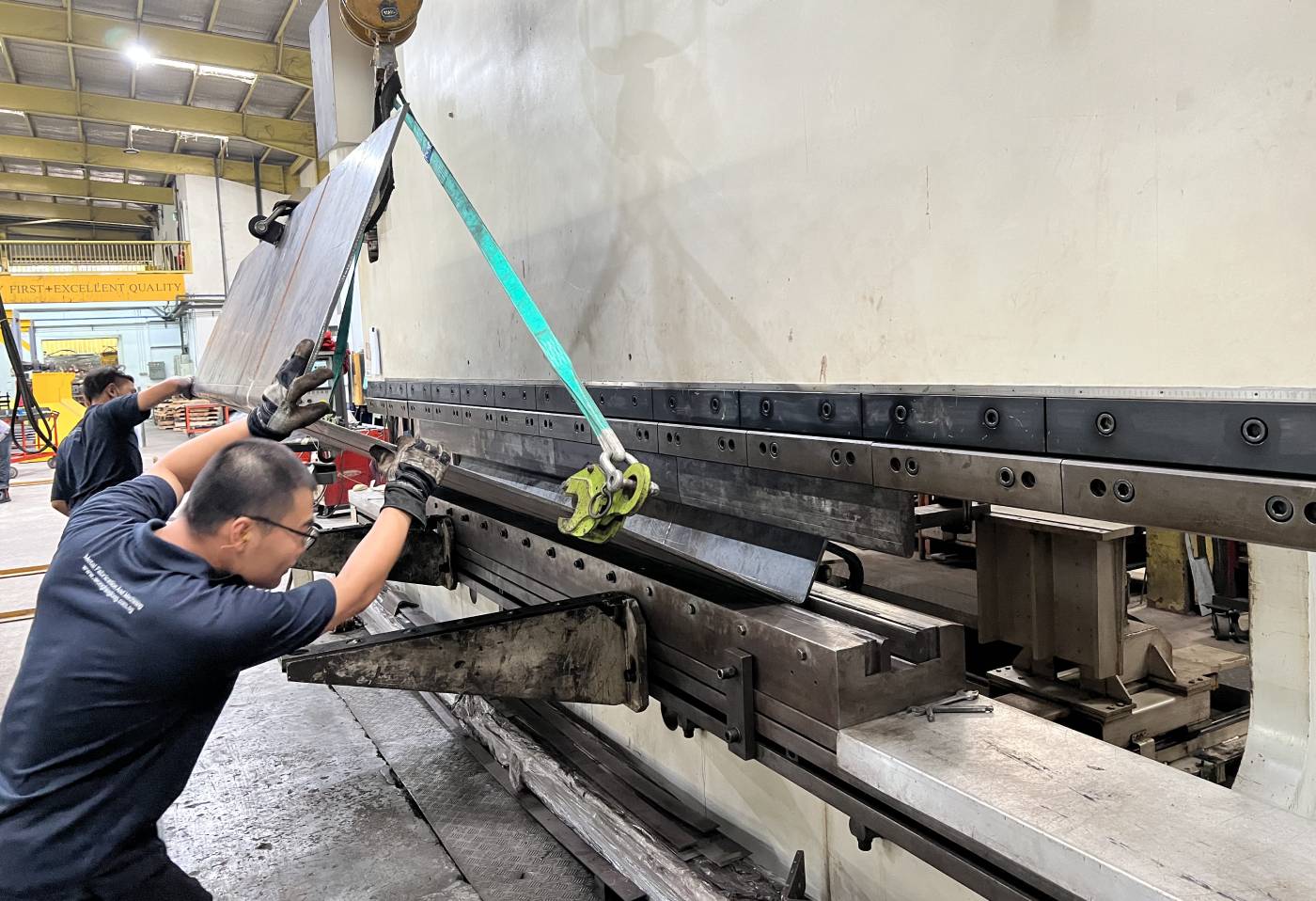
- CNC Forming (Bending/Braking): The ability to accurately bend and form metal sheets into complex shapes using Computer Numerical Control (CNC) press brakes. The number of axes and tonnage of these machines impact the types of parts that can be produced.
- Welding: Expertise in various welding techniques (e.g., MIG, TIG, Spot, Robotic) and materials is essential for joining components securely.
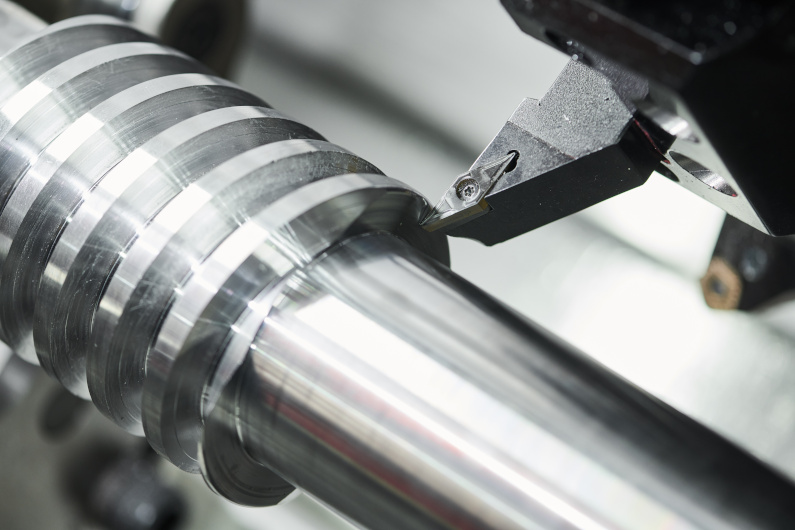
- CNC Machining: For parts requiring extreme precision or complex features beyond what cutting and forming can achieve, access to advanced Cnc Machining Service capabilities, such as multi-axis milling and turning, is critical.
A fabricator's investment in a diverse range of modern machinery reflects their commitment to efficiency, precision, and broad project applicability.
Material Expertise and Processing Knowledge
Understanding not just how to cut or bend metal, but which metals are best suited for specific applications and how they behave during fabrication, is a hallmark of true expertise. Different materials, from stainless steel to aluminum, copper, and various alloys, possess unique properties that dictate the optimal processing techniques. A seasoned fabricator will demonstrate knowledge of:
- Material Selection Guidance: Helping you choose the most cost-effective and functionally appropriate material for your application.
- Workability of Materials: Understanding how specific alloys react to cutting, forming, and welding processes to minimize defects and ensure structural integrity.
- Material Sourcing: Reliable access to high-quality, traceable materials.
This in-depth material knowledge helps prevent costly errors and ensures the longevity and performance of your fabricated components.
The Role of Modern Equipment and Process Optimization
The landscape of metal fabrication is continuously evolving with technological advancements. Fabricators who invest in modern, automated equipment often achieve higher precision, greater repeatability, and faster throughput. This commitment to technology can significantly impact project timelines and costs. Beyond just the machines themselves, a focus on process optimization—continually refining workflows and leveraging technology to improve efficiency—indicates a partner dedicated to delivering superior results. This includes the use of advanced software for design, programming, and production management.
Design for Manufacturability (DFM) and In-House Engineering
One of the most valuable services a metal fabrication partner can offer is Design for Manufacturability (DFM) support. This involves their engineering team reviewing your designs early in the process to identify potential manufacturing challenges, suggest modifications, and optimize the part for cost-effective and efficient production.
The underlying principle of DFM is to simplify complex designs where possible, reduce material waste, and streamline fabrication steps without compromising functional requirements. For example, by slightly altering a bend radius or standardizing hole sizes, a fabricator can often significantly lower production costs and reduce lead times. This proactive engineering collaboration can prevent costly redesigns later in the project and ensure that your components are not just functional, but also economical to produce. In-house engineering expertise facilitates direct communication and rapid problem-solving, making it an invaluable asset in the metal fabrication partner selection process.
Ensuring Quality Management and Operational Excellence
Quality and reliability are non-negotiable in B2B manufacturing. The reputation of your product, and by extension your company, hinges on the consistent quality of your fabricated components.
Quality Control Standards and Certifications
A robust quality management system is fundamental. Look for fabricators who adhere to recognized international standards. ISO 9001 compliance, for example, is a widely accepted indicator of a strong quality management system, demonstrating a systematic approach to ensuring customer satisfaction and continuous improvement. Depending on your industry, other certifications might be crucial, such as AS9100D for aerospace, ASME for pressure vessels, or AWS for welding quality. These certifications are not merely badges; they represent a rigorous commitment to documented processes, regular audits, and consistent output, providing a level of assurance that your components will meet specified standards.
Reliability in Production and Supply Chain Flow
Operational reliability encompasses a fabricator's ability to consistently deliver parts on schedule and manage their own supply chain effectively. In a globalized market, supply chain disruptions can occur, but a reliable partner will have established protocols and contingency plans to mitigate these risks. This might include maintaining strategic raw material inventories or having relationships with multiple sub-suppliers. While specific metrics like "on-time delivery rates" require careful verification, a fabricator's general reputation for consistent performance and responsiveness to challenges is an important consideration.
Effective Communication and Collaborative Project Management
Clear and consistent communication is the bedrock of any successful partnership. A strong fabricator will establish clear channels of communication, ensuring you are informed at every stage of your project. This includes transparent updates on production progress, proactive identification of potential issues, and responsiveness to your inquiries. Effective project management involves understanding your specific needs, translating them into actionable production plans, and providing regular feedback loops. A collaborative approach, where both parties work together to overcome challenges and achieve common goals, significantly contributes to project success.
Assessing Experience and Strategic Alignment
Beyond technical skills and quality systems, a fabricator's experience and how well their business model aligns with yours are critical for a lasting partnership.
Industry Experience and Track Record
Experience brings invaluable insights into common challenges, optimal solutions, and industry best practices. A fabricator with a proven track record, especially in your specific industry or with similar product types, is often better equipped to anticipate needs and deliver reliable results. They understand the nuances of various applications and can offer informed recommendations based on past successes and lessons learned. Examining their history and asking for examples of past projects can provide valuable context during your metal fabrication partner selection.
The Advantages of a Comprehensive "One-Stop Shop"
Consider the benefits of working with a "one-stop shop" fabricator. These integrated manufacturers can handle the entire production process, from initial prototyping and design refinement through cutting, forming, welding, finishing, and even final assembly. By consolidating these services under one roof, a single-source fabricator can significantly minimize lead times and reduce logistics costs associated with moving parts between multiple vendors. This approach also simplifies quality control, as all stages of production are managed and overseen by a unified team, leading to more consistent results and streamlined communication.
Matching Production Volume and Project Scale
Ensuring the fabricator's operational scale aligns with your production volume is crucial. A facility optimized for high-volume, automated production might not be the best fit for intricate, low-volume prototypes, and vice-versa. Discussing your anticipated order sizes, potential for scalability, and long-term volume projections will help ensure that your chosen partner possesses the appropriate equipment and workforce capacity to meet your evolving needs.
Cultivating a Lasting Partnership
The decision of choosing a metal fabrication partner is not a one-time transaction; it is an investment in a potentially long-term relationship.
Reputation and Client Trust
A fabricator's reputation within the industry speaks volumes. While specific verification methods might vary, a generally positive market standing, built on consistent performance and customer satisfaction, is a strong indicator of trustworthiness. Seeking general feedback or understanding their market position can offer insights into their reliability and commitment to client relationships.
The Value of Continuous Innovation and Adaptability
The manufacturing world is in constant flux, driven by new materials, technologies, and market demands. A forward-thinking metal fabrication partner embraces continuous improvement and invests in new technologies. This adaptability ensures they can evolve with your needs, offer innovative solutions, and maintain a competitive edge, contributing to the long-term success of your products.
Making an Informed Decision
Ultimately, the goal of metal fabrication partner selection is to identify a collaborator that aligns with your technical requirements, quality expectations, and business objectives. This process requires thorough due diligence, clear communication of your needs, and a strategic evaluation of capabilities beyond just the initial price. The right partner can unlock efficiencies, enhance product quality, and provide a stable foundation for your manufacturing success.
As you embark on this crucial selection process, consider not just the immediate project demands, but also the potential for growth and collaboration over time. Further research into specific fabrication technologies, material properties, and industry standards can provide additional depth to your evaluation framework, ensuring you select a partner capable of meeting current demands and future innovations. For more general information about various fabrication and machining services, you might visit www.bingzhen-sh.com.
