
Advanced Fastening & Assembly Methods for Precision Sheet Metal Fabrication (2026-11-18)
In the intricate world of manufacturing, the creation of precision sheet metal components is only half the battle. The true challenge, often overlooked, lies in effectively joining these individual parts into a cohesive, functional assembly. For many, the default solutions might still conjure images of welding torches or rows of rivets, but modern precision sheet metal fabrication demands far more sophisticated and nuanced sheet metal assembly methods. The choice of fastening and assembly techniques profoundly impacts not just the integrity and performance of the final product, but also manufacturing efficiency, cost, and design flexibility. Understanding these advanced approaches is critical for anyone aiming to produce high-quality, durable, and economically viable sheet metal assemblies in today's competitive landscape.
The Foundation: Precision Sheet Metal Fabrication and Assembly Basics
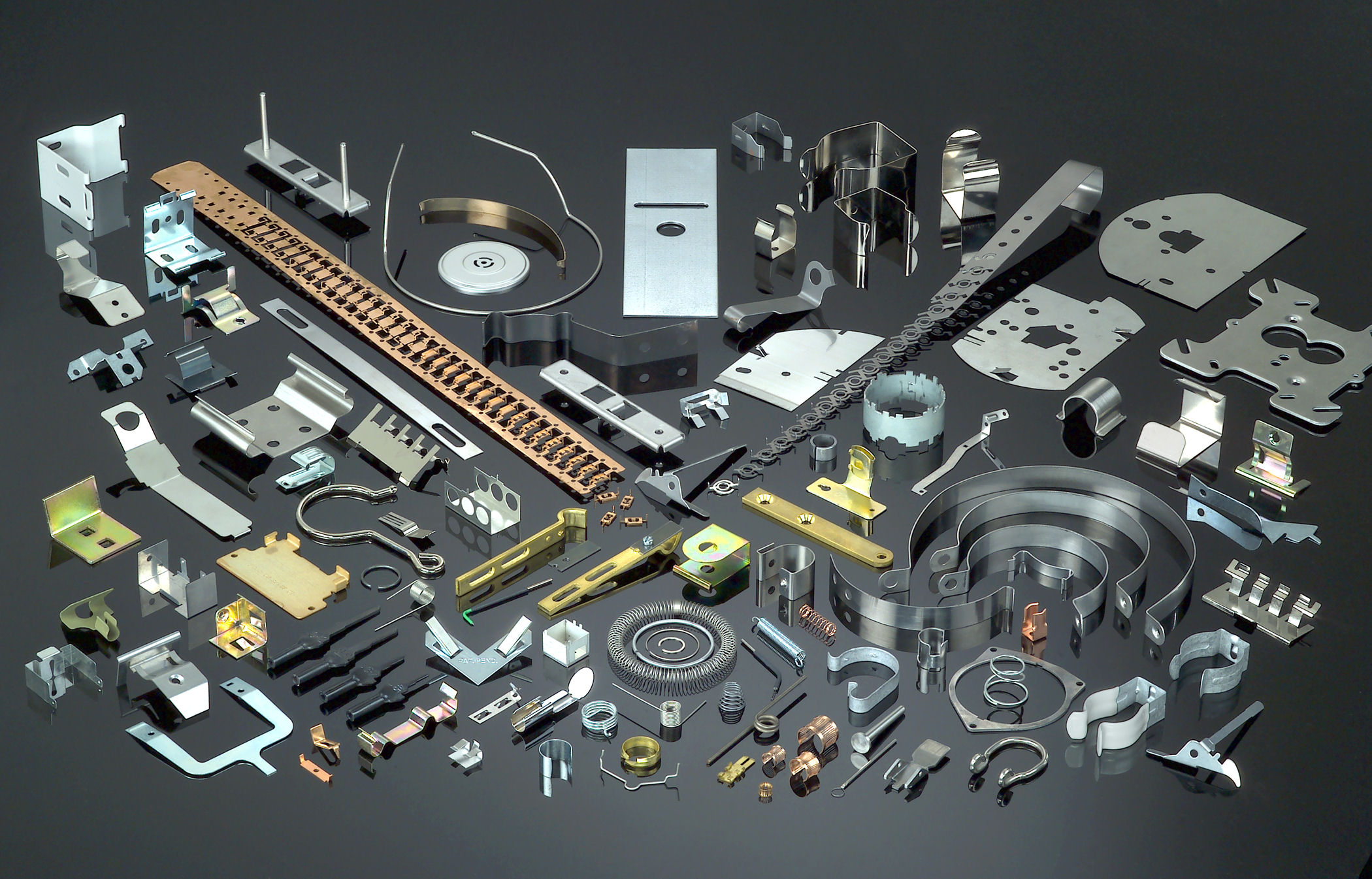
Precision sheet metal fabrication is the process of transforming flat metal sheets into specific parts using techniques such as cutting, forming, and bending. These processes are foundational for industries ranging from aerospace and automotive to electronics and construction. The precision inherent in these initial steps must be maintained and complemented by equally precise assembly methods to ensure the final product meets stringent performance requirements.
At the heart of successful sheet metal assembly lies an effective design philosophy, often referred to as Design for Manufacturability (DFM). Good design is paramount for manufacturability, cost reduction, and achieving high quality. This includes meticulous considerations such as maintaining consistent material thickness across parts, ensuring appropriate bend radii based on the material and intended process, and strategically placing holes to avoid proximity to bends or edges that could lead to deformation during assembly. Without these foundational design principles, even the most advanced assembly techniques may struggle to yield optimal results. For a more comprehensive understanding of the initial stages, explore the fundamentals of What Is Sheet Metal Fabrication.
Traditional Sheet Metal Assembly Methods: A Necessary Review
Before delving into advanced techniques, it is valuable to briefly acknowledge the traditional methods that have long served as workhorses in sheet metal assembly. These methods still hold their place for various applications, but their limitations often drive the need for more innovative solutions.
Common traditional methods for joining sheet metal include:
- Welding: Techniques like MIG (Gas Metal Arc Welding) and TIG (Gas Tungsten Arc Welding) create strong, permanent metallurgical bonds between parts. While effective, welding can introduce heat distortion, require skilled operators, and often necessitate post-processing for aesthetic or protective finishes.
- Riveting: Ideal for lightweight assemblies, riveting uses a mechanical fastener to join two or more parts by deforming one end of the rivet. Rivets offer good shear strength but can add weight and require pre-drilled holes, which increases material handling and potential alignment issues.
- Bolting/Screwing: These methods are particularly useful for parts requiring disassembly for maintenance or component replacement. They offer excellent flexibility and strength but involve multiple components (bolts, nuts, washers), increasing Bill of Materials (BOM) complexity and assembly time.
While robust, these traditional methods can sometimes be inefficient, add material costs, require significant setup or post-processing, or limit design flexibility. This is precisely where advanced, often fastener-less, sheet metal assembly methods offer significant advantages.
The Evolution of Sheet Metal Assembly: Innovative Fastener-Less Solutions
A significant trend in modern sheet metal assembly involves the adoption of fastener-less methods. These innovative approaches aim to integrate joining features directly into the part design, inherently reducing the Bill of Materials (BOM) and inventory costs. By eliminating separate fasteners, manufacturers can achieve leaner production, faster assembly times, and often, improved aesthetics.
Clinching: Cold Forming for Permanent Joints
Clinching stands out as a permanent, cold heading method for joining two or more flat sheets without the need for heat, sparks, fumes, or pre-drilled holes. This technique uses specialized tooling to deform the sheet metals locally, interlocking them mechanically to create a button-type joint.
The underlying principle of clinching involves a punch and die set. The punch descends, drawing material from the upper sheet into the lower sheet, which is supported by a special die. The material flows laterally, creating an interlock without rupturing the material. This cold deformation process maintains the material's structural integrity, and the resulting joint is strong and vibration-resistant. Clinching is often considered a cost-effective and clean alternative to spot welding, particularly for applications where heat input is undesirable or where different material types need joining without fusion.
Hemming: Creating Strong, Clean Edges
Hemming is a technique used to join two sheet metal parts into a sub-assembly, often creating a smooth, safe edge. The process involves folding the edge of one sheet metal part over another, or folding an edge onto itself to create a reinforced or aesthetically pleasing finish. This can be done in multiple stages using press brakes or specialized hemming tools.
Hemming creates a strong mechanical interlock and can eliminate sharp edges, enhancing product safety and appearance. It is commonly found in automotive body panels, appliance enclosures, and other products where a clean, finished edge is critical.
Snap Fits: Tool-Free and Rapid Assembly
Snap fits leverage the elastic properties of materials to create quick, tool-free component assembly. The principle involves designing mating features on two parts (a hook and a recess) that temporarily deform during assembly and then return to their original shape, locking the components together. The spring force of the material holds the components in place.
Snap fits are highly advantageous for high-volume production due to their speed and lack of required fasteners or tools. They are prevalent in electronic enclosures, consumer goods, and plastic assemblies, but their application in sheet metal is growing, particularly with careful design that accounts for material springback and strength.
Integrated Features: Hooks, Tongue and Groove, Studs and Keyholes
Beyond dedicated processes like clinching and hemming, designers are increasingly incorporating bespoke fastener-less features directly into the sheet metal components themselves.
- Inbuilt Hooks: Designed to interlock with slots or features on a mating part, hooks allow for quick assembly and can be used for semi-permanent or removable connections.
- Tongue and Groove Joints: These offer precise alignment and secure fastening, particularly for detachable parts. A 'tongue' feature on one part slides into a 'groove' or slot on the other, providing structural support and often preventing lateral movement.
- Studs and Keyholes: This combination provides a secure panel attachment method. A formed stud on one part engages with a specially shaped keyhole slot on the other, allowing parts to be slid into place and locked, often with an additional retention mechanism. This is common in enclosure designs where panels need to be removable for access but secure during operation.
These integrated features require careful consideration during the initial design phase, ensuring that bending and forming operations can create the precise geometries needed for effective interlocking.
Optimizing Precision Sheet Metal Assembly Through Design
The success of any advanced sheet metal assembly method begins long before the actual joining process – it starts with intelligent design. Material selection, part geometry, and intended function all play critical roles.
For optimal manufacturability and precision assembly, designers must adhere to several principles:
- Consistent Material Thickness: Variations in material thickness can lead to inconsistencies in joint strength, fit, and appearance, especially for methods like clinching or hemming that rely on material flow.
- Appropriate Bend Radii: The radius of a bend must be suitable for the material type and its thickness to prevent cracking or excessive thinning, which could compromise adjacent assembly features.
- Strategic Hole and Feature Placement: As noted, holes or integrated features too close to bends or edges can deform during forming, affecting their ability to align and fasten correctly during assembly.
- Material Compatibility: The choice of material—whether it's aluminum, stainless steel, or specific alloys—directly influences the feasibility and performance of assembly methods. For instance, the ductility of a material is crucial for clinching, while its springback characteristics dictate the design of snap fits. Materials such as Steel 1018 or various grades of stainless steel offer distinct properties that influence fastening options. Further details on selection can be found on our Sheet Metal Materials page.
Selecting the Right Advanced Sheet Metal Assembly Methods
Choosing the optimal advanced fastening method is a multi-faceted decision, depending on the application's specific requirements. Key factors include:
- Desired Permanence: Is the joint meant to be permanent, semi-permanent, or easily disassembled? Welding and clinching offer permanent bonds, while snap fits and tongue-and-groove designs can facilitate disassembly.
- Material Type and Thickness: Different methods are suitable for varying material gauges and types. Some processes, like clinching, are highly effective across a range of materials, including dissimilar metals, but have limits on total sheet thickness.
- Environmental Factors: Will the assembly be exposed to vibration, extreme temperatures, corrosive agents, or moisture? These conditions influence joint integrity and material degradation over time.
- Cost and Production Volume: Fastener-less methods often require higher upfront tooling costs but can drastically reduce per-unit assembly costs and material expenditures in high-volume production.
- Aesthetics and Finish: The visual impact of the joint is crucial for many products. Hemming provides clean edges, while some clinching joints might be visible.
As manufacturing increasingly moves towards automation, these advanced assembly methods also lend themselves well to robotic integration. The repeatability and precision of clinching, for instance, make it an excellent candidate for automated assembly lines, contributing to consistent quality and accelerated production cycles. Integrating these methods into a comprehensive Sheet Metal Fabrication Service can significantly streamline production.
Frequently Asked Questions
What are the different methods for joining sheet metal?
The different methods for joining sheet metal include traditional approaches like various welding techniques (MIG, TIG), riveting, and bolting or screwing, which are suitable for different applications. Additionally, innovative fastener-less techniques such as inbuilt hooks, tongue and groove joints, the use of studs and keyholes, hemming, clinching, and snap fits are increasingly employed for their efficiency and cost benefits.
What are commonly used sheet metal assembly processes?
Commonly used sheet metal assembly processes involve transforming individual fabricated parts into functional products or structures. These encompass traditional methods like welding, riveting, and bolting/screwing, which offer strong and sometimes disassemblable joints. Furthermore, advanced fastener-less methods such as hemming for edge finishing, clinching for cold mechanical interlocks, and snap fits for quick, tool-free assembly are widely utilized.
Conclusion
The landscape of precision sheet metal fabrication is constantly evolving, and the methods used to assemble components are at the forefront of this change. Moving beyond traditional welding or riveting, advanced fastener-less techniques like clinching, hemming, and meticulously designed integrated features offer compelling advantages in terms of cost efficiency, assembly speed, design flexibility, and product aesthetics. Mastering these sophisticated sheet metal assembly methods requires a deep understanding of material properties, design for manufacturability, and the specific nuances of each technique. As industries demand ever greater precision and efficiency, staying abreast of these innovations will be crucial for engineers and manufacturers looking to optimize their production processes and deliver superior sheet metal assemblies. The next steps in your learning journey might involve exploring detailed case studies of these methods in specific applications or delving deeper into the mechanics of material deformation during cold forming processes.
