

Choosing the Right Tool Steel Grade for Your Industrial Application: A 2026 Guide
The industrial landscape of 2026 demands precision, durability, and cost-effectiveness from every component, especially those at the heart of manufacturing processes. Engineers and designers often face a critical challenge: selecting the optimal material for tools that must endure extreme conditions—high temperatures, intense pressures, abrasive wear, or significant impact. The sheer variety of tool steels, each engineered with specific properties, can make the process of tool steel grade selection seem daunting. Without a clear understanding of these specialized alloys and their intended applications, industries risk premature tool failure, increased downtime, and unnecessary operational expenses. This guide aims to demystify the selection process, providing a structured approach to matching the right tool steel grade to your specific industrial needs.
Understanding Tool Steel: Definition and Fundamental Characteristics
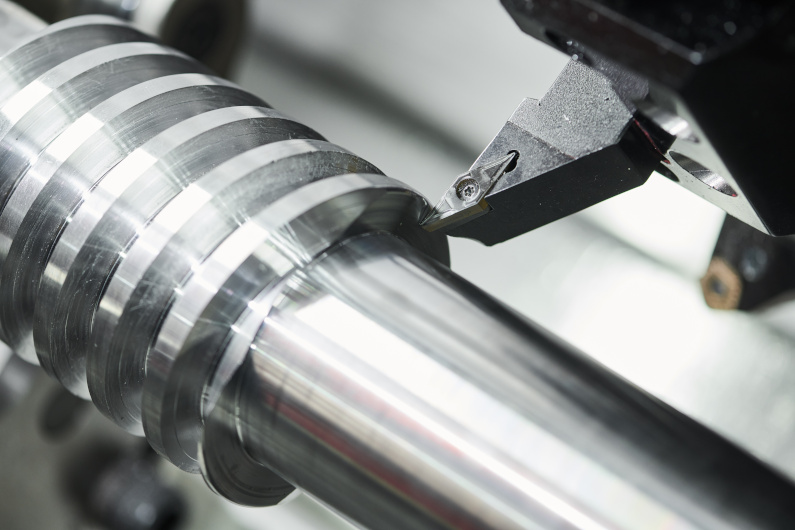
Tool steels represent a unique class of carbon alloy steels meticulously designed for fabrication into tools used in cutting, pressing, coining, extruding, or molding other materials. Their defining characteristics are not accidental; they are the result of precise metallurgical engineering that combines significant carbon content with various alloying elements.
What primarily distinguishes tool steels from general-purpose steels, such as a basic mild steel, is their ability to achieve and retain exceptional hardness, wear resistance, and toughness even under strenuous operational conditions. This enhanced performance is largely attributed to the addition of elements like chromium, molybdenum, tungsten, and vanadium. These alloying elements contribute to the formation of hard carbide particles within the steel's matrix, which play a crucial role in resisting wear. The overall composition allows tool steels to withstand the rigors of shaping, forming, and machining other materials, making them indispensable in modern industrial machinery.
The key properties that engineers prioritize when evaluating tool steels include:
- Hardness: The ability of a material to resist plastic deformation, indentation, or scratching. For tool steels, this is often measured in Rockwell Hardness (HRC). High hardness is essential for maintaining a sharp cutting edge and resisting abrasive wear.
- Wear Resistance: The capacity to withstand material loss from surface contact and friction. This property is critical for tools exposed to continuous rubbing, sliding, or abrasive particles.
- Toughness: The ability of a material to absorb energy and deform plastically before fracturing. Tools subjected to sudden impacts or heavy loads require high toughness to prevent chipping or catastrophic breakage.
- Hot Hardness (Red Hardness): The ability of a material to retain its hardness and cutting edge at elevated temperatures, often encountered during high-speed cutting or hot forging operations.
Successfully balancing these properties is paramount. For instance, a tool requiring exceptional wear resistance might traditionally compromise on some degree of toughness, and vice-versa. The art of tool steel grade selection lies in navigating these inherent material trade-offs to suit the exact demands of the application.
A Comprehensive Overview of Tool Steel Grade Families
Tool steels are systematically categorized into distinct families, each formulated to excel under specific conditions. As of 2026, the comprehensive classification includes six primary groups: water-hardening, cold-working, shock-resisting, high-speed, hot-working, and special-purpose (plastic mold) grades. Understanding these categories is the first step in effective material selection.
Water-Hardening (W-Series): Low Cost, General Purpose
W-series tool steels are among the oldest and most economical grades. They are characterized by their high carbon content, which allows them to achieve significant hardness when quenched in water. However, water quenching can induce considerable stresses, potentially leading to distortion or cracking in complex shapes. Consequently, W-series steels are best suited for tools with simple geometries and applications where operating temperatures remain low. Their main advantage is their relatively low cost and good machinability. They are often chosen for hand tools, chisels, and shear blades that do not encounter extreme thermal cycling or heavy impact.
Cold-Work Steels (O, A, D-Series): Precision and Wear Resistance at Room Temperature
This family is designed for applications where the tool operates at or near room temperature, without significant heat generation. They are prized for their high wear resistance and excellent dimensional stability after heat treatment, which is crucial for precision components.
- O-Series (Oil-Hardening): These steels are oil-quenched, offering better dimensional stability than water-hardening grades. They provide a good balance of hardness and toughness for general-purpose cold work.
- A-Series (Air-Hardening): Air-hardening steels offer superior dimensional stability compared to O-series steels due to a slower and more uniform cooling rate during quenching. This minimizes distortion and cracking, making them ideal for intricate tools.
- D-Series (High-Carbon, High-Chromium): These grades are distinguished by their very high wear resistance, largely due to a significant chromium content. While offering exceptional resistance to abrasion, they tend to be less tough than O or A series steels. They are typically air-hardening.
For industrial applications requiring precise stamping dies, forming rolls, or gauges, the appropriate tool steel grade selection often falls within this cold-work category, with the specific choice depending on the balance required between wear resistance, toughness, and dimensional stability.
Shock-Resisting Steels (S-Series): High Impact Toughness
S-series tool steels are engineered for applications that involve heavy shock loads or impact. They possess higher toughness and ductility than most other tool steel grades, which helps them resist chipping and fracturing under repeated blows. While their wear resistance and hot hardness are generally lower than D-series or high-speed steels, their ability to absorb energy without breaking is paramount. Common applications include pneumatic tool parts, chisels, punches, and rivet sets.
Hot-Work Steels (H-Series): Performance at Elevated Temperatures
When tools operate continuously at elevated temperatures (typically above 300°C), standard cold-work steels would quickly soften and deform. H-series tool steels are specifically formulated to maintain their hardness, strength, and wear resistance at these high temperatures. They achieve this through specific alloying elements like chromium, molybdenum, and vanadium, which contribute to excellent hot hardness and resistance to thermal fatigue. These steels are primarily oil- or air-hardening, ensuring good dimensional stability. Key applications include die casting dies, hot forging dies, extrusion tooling, and hot shear blades.
High-Speed Steels (M, T-Series): Red Hardness for Cutting Applications
High-speed steels (HSS) are a specialized group known for their exceptional red hardness—the ability to retain a sharp cutting edge and hardness even when operating at very high speeds, which generates considerable heat. These steels are indispensable for cutting tools like drills, reamers, milling cutters, and saw blades.
- M-Series (Molybdenum-type): The most widely used type of HSS, containing molybdenum as a primary alloying element. M-series steels offer a good balance of performance and cost.
- T-Series (Tungsten-type): These steels rely on high tungsten content for their properties. While offering excellent hot hardness, they are generally more expensive than M-series steels. A classic example is T1, known for its high tungsten content.
Both series excel in continuous cutting operations where high friction and heat are generated, providing extended tool life and superior performance compared to other tool steel families.
Special-Purpose Steels (L, P, F-Series): Addressing Unique Demands
This category encompasses various grades designed for very specific applications that don't fit neatly into the other classifications.
- P-Series (Plastic Mold Steels): These steels are formulated for plastic injection molding and die casting applications. They emphasize polishability, corrosion resistance, and good machinability, with sufficient hardness for mold integrity.
- L-Series (Low Alloy Special Purpose): These are general-purpose, low-alloy steels that offer reasonable hardness and toughness for various applications where specific properties of other series are not strictly required.
- F-Series (Carbon-Tungsten): These steels combine carbon and tungsten, offering good wear resistance and hot hardness, but they are less common than other high-performance grades.
Navigating Tool Steel Selection: Key Factors and Decision Process
The process of tool steel grade selection is not a one-size-fits-all endeavor. It's a careful analytical process that considers numerous application-specific variables. A structured approach, focusing on the primary challenges the tool will face, can significantly streamline this decision.
Identify the Primary Failure Mode: Wear, Chipping, or Softening
This is arguably the most crucial starting point. Every tool eventually fails, and understanding the dominant failure mechanism in a given operation guides the material choice.
- If the tool primarily fails due to abrasive wear: Look for grades with high wear resistance, such as the D-series or high-speed steels. These steels contain a high volume of hard carbide particles that resist material removal.
- If the tool primarily fails due to chipping or brittle fracture: Prioritize toughness. S-series steels are specifically designed for high impact resistance. Cold-work steels from the A or O series can also offer a good balance of toughness and wear resistance for less severe impact scenarios.
- If the tool primarily fails due to softening or loss of hardness at high temperatures: Hot-work (H-series) or high-speed steels (M/T-series) are essential. These grades maintain their structural integrity and hardness even when operating continuously at elevated temperatures.
Operating Temperature: Cold Work vs. Hot Work Applications
The temperature at which the tool operates is a decisive factor.
- Cold Work Applications: For tools operating at or near room temperature, cold-work steels (O, A, D series) are generally suitable. These grades are optimized for properties like wear resistance and dimensional stability under ambient conditions.
- Hot Work Applications: When the tool operates at elevated temperatures, typically above 300°C, a different class of materials is required. Hot-work steels (H-series) or high-speed steels (M/T-series) are designed to retain their mechanical properties and resist thermal fatigue in such environments. Selecting an inappropriate grade for hot work will lead to rapid tool softening and failure.
Dimensional Stability Requirements Post-Heat Treatment
Many tool steel components require precise dimensions, and heat treatment—a necessary step to develop the desired hardness—can introduce distortion. Air-hardening tool steels generally offer superior dimensional stability compared to oil- or water-hardening grades because the slower cooling rate during air quenching minimizes internal stresses and thermal shock. For complex geometries or parts with tight tolerances, selecting an air-hardening grade is often preferred to reduce the risk of cracking and distortion. For example, when precise machining is required for alloy steel components, selecting a tool steel that retains its shape post-treatment is critical.
The Inherent Trade-Off: Wear Resistance vs. Toughness
A fundamental principle in metallurgy is the inverse relationship between extreme hardness (leading to high wear resistance) and toughness. Materials that are exceptionally hard tend to be more brittle, making them susceptible to chipping or fracture under impact. Conversely, very tough materials often exhibit lower hardness and wear resistance. Effective tool steel grade selection necessitates finding the optimal balance for the specific application. A die stamping thin sheet metal might prioritize maximum wear resistance (e.g., D-series), whereas a punch for heavy steel plate would require high toughness to prevent breakage (e.g., S-series), even if it means slightly reduced wear life.
Cost-Benefit Analysis: Initial Investment vs. Tool Life
While the initial per-kilogram cost of a tool steel grade is a factor, it should not be the sole determinant. Cheaper water-hardening grades (W-series) might have a lower upfront cost, but their limited durability in demanding applications can lead to frequent replacements, increased downtime, and higher overall operational costs in the long run. Conversely, more expensive, high-performance grades (D, H, M series) often provide significantly longer tool life, reduced maintenance, and superior performance, resulting in a much lower total cost of ownership, especially in high-volume production environments. Evaluating tool life, replacement frequency, labor costs for tool changes, and productivity gains is crucial for a comprehensive cost-benefit analysis.
Detailed Insights into Popular Tool Steel Grades for 2026
To aid in the tool steel grade selection process, it's beneficial to understand the specific characteristics and typical uses of some of the most commonly employed grades in industrial applications today.
A2 Tool Steel: Balancing Toughness and Wear Resistance
A2 is an air-hardening, medium-alloy cold-work tool steel renowned for its excellent balance of wear resistance and toughness. It offers good dimensional stability during heat treatment, making it suitable for intricate designs. Its versatility makes it a popular choice for a wide range of applications, including blanking and forming dies, stamping dies, shear blades, and plastic molds. It's often chosen when D2 might be too brittle, but better wear resistance than O1 is required.
D2 Tool Steel: The Workhorse for High Wear Applications
D2 is a high-carbon, high-chromium cold-work tool steel that delivers exceptional wear resistance. It is air-hardening and known for its remarkable ability to resist abrasion, making it ideal for applications involving severe wear. However, its high hardness means it has lower toughness compared to A2 or O1. D2 is a preferred choice for long-run blanking and forming dies, slitting cutters, brick molds, and various gauges where wear is the predominant failure mode.
O1 Tool Steel: General Purpose and Easy Machinability
O1 is an oil-hardening, general-purpose cold-work tool steel. It is favored for its good machinability and relatively straightforward heat treatment. It offers a respectable balance of hardness and toughness, suitable for applications that don't require the extreme wear resistance of D2 or the dimensional stability of A2. Typical uses for O1 include gauges, cutting tools, blanking dies, and various machine parts where ease of processing is a significant advantage.
S7 Tool Steel: High Impact and Shock Resistance
S7 is a chrome-molybdenum alloy shock-resisting tool steel that stands out for its superior impact toughness. It is versatile, as it can be air or oil quenched, and offers good resistance to softening at moderate temperatures. Its ability to withstand heavy shock loads makes it an excellent choice for chisels, punches, shear blades, and riveting tools. When the primary concern is preventing chipping or shattering under sudden impact, S7 is often the material of choice.
H13 Tool Steel: Reliability for Hot Work Environments
H13 is a 5% chromium hot-work tool steel that offers a combination of high toughness, resistance to thermal fatigue, and good hot hardness. It is typically air-hardening, providing good dimensional stability during heat treatment. H13's ability to perform reliably at elevated temperatures makes it indispensable for applications like die casting dies for aluminum, magnesium, and zinc, hot forging dies, and extrusion tooling. Its resistance to heat checking and cracking under thermal cycling is a critical attribute.
M2 Tool Steel: Superior Performance in High-Speed Cutting
M2 is a molybdenum-type high-speed steel, widely recognized for its excellent balance of toughness, wear resistance, and high hot hardness. It maintains its cutting edge and hardness even at the elevated temperatures generated during high-speed machining operations. This makes M2 a standard for a broad range of cutting tools, including twist drills, reamers, milling cutters, taps, and broaches, where efficient material removal and extended tool life are paramount.
Your 2026 Tool Steel Grade Selection Chart and Practical Guide
The optimal tool steel grade selection hinges on a thorough understanding of the application's demands. To further simplify the decision-making process, the following chart provides a comparative overview of key properties and typical applications for popular tool steel grades as of 2026.
| Tool Steel Grade | Primary Properties (Qualitative) | Typical Applications | Operational Temperature |
|---|---|---|---|
| W-Series | Good Hardness, Low Cost | Chisels, Hand tools, Shear blades (simple shapes) | Cold Work |
| O1 | Good Hardness, Moderate Toughness, Easy Machinability | Gauges, Blanking Dies, Cutting Tools | Cold Work |
| A2 | Balanced Wear Resistance & Toughness, Good Dimensional Stability | Stamping Dies, Forming Dies, Shear Blades, Plastic Molds | Cold Work |
| D2 | Excellent Wear Resistance, High Hardness | Long-run Blanking Dies, Forming Dies, Slitting Cutters, Brick Molds | Cold Work |
| S7 | High Impact Toughness, Good Shock Resistance | Chisels, Punches, Shear Blades, Riveting Tools | Cold Work (and some moderate hot work) |
| H13 | High Toughness, Hot Hardness, Resistance to Thermal Fatigue | Die Casting Dies, Hot Forging Dies, Extrusion Tooling | Hot Work (up to ~600°C) |
| M2 | High Red Hardness, Wear Resistance, Good Toughness | Drills, Reamers, Milling Cutters, Taps, Broaches | High-Speed Cutting (Hot Work during operation) |
A Step-by-Step Decision-Making Flowchart
To guide your material selection process:
- Define the Application: Clearly outline the tool's function, the material it will process, and the specific forces/conditions it will encounter.
- Identify Primary Failure Mode: What is the most likely way the tool will fail? (e.g., wear, chipping, softening). This is your primary driver.
- Determine Operating Temperature: Will the tool operate at room temperature (cold work) or elevated temperatures (hot work, high-speed cutting)?
- Consider Secondary Requirements:
- Is high impact resistance critical? (S-series)
- Are tight dimensional tolerances necessary after heat treatment? (Air-hardening grades like A2, H13)
- Is corrosion resistance important? (Special-purpose grades, though not extensively covered here)
- What is the required tool life?
- Evaluate Cost Implications: Balance the initial material cost with expected tool life, maintenance, and productivity gains.
- Consult a Metallurgist: For complex or novel applications, seeking expert advice from a metallurgist can provide invaluable insights and prevent costly errors.
Expert Tips for Optimizing Your Material Selection
- Don't Over-Specify: Choosing a more expensive, high-performance steel than necessary can be a waste of resources. Match the steel to the requirement, not the other way around.
- Consider Heat Treatment: The best steel can fail if improperly heat treated. Ensure your chosen grade can be processed effectively by your heat treater, and specify the desired hardness range.
- Prototype and Test: For critical applications, prototyping with a selected grade and conducting real-world or simulated tests can validate your choice before full-scale production.
- Review Historical Data: Learn from past successes and failures within your own operations or similar industrial applications.
Choosing the correct tool steel grade is a strategic decision that directly impacts tool performance, lifespan, and overall operational efficiency. By systematically evaluating the application's demands against the inherent properties of various tool steel families, engineers can make informed choices that optimize manufacturing processes and minimize costs. As industrial demands continue to evolve, staying abreast of material science advancements and applying a methodical approach to material selection will remain a cornerstone of successful engineering. Your next step might involve delving deeper into the specific heat treatment protocols for selected grades or exploring advanced manufacturing techniques for optimal tool fabrication.
